
As a veterinarian, I often see that dogs bred for cold climates perform exceptionally well in winter but struggle when their environmental needs are misunderstood.
Table of Contents
21 Cold Weather Dog Breeds Every Snow Lover Should Know
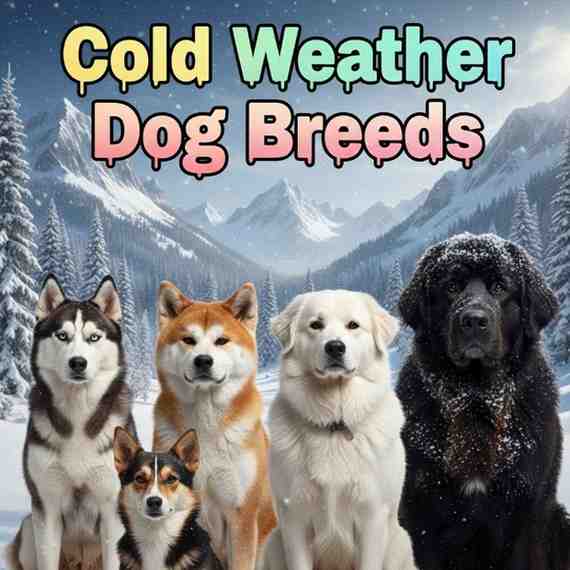
Cold climates are not for every dog. However, some breeds are biologically designed to thrive in snow, ice, and freezing temperatures. These cold weather dog breeds have thick double coats, strong builds, and exceptional endurance that make winter their favorite season.
If you love snow and live in a cold region, these breeds may be your perfect companions.
What Makes a Dog Suitable for Cold Weather?
Cold weather dog breeds typically share these features:
- Thick double-layered dense coats designed for insulation
- Heavy insulating fur with a protective underlaye
- Compact ears and tails to reduce heat loss
- High stamina and strong muscles to protect against cold
- Ancestry from cold or mountainous regions
Top 21 Cold Weather Dog Breeds
1.Siberian Husky
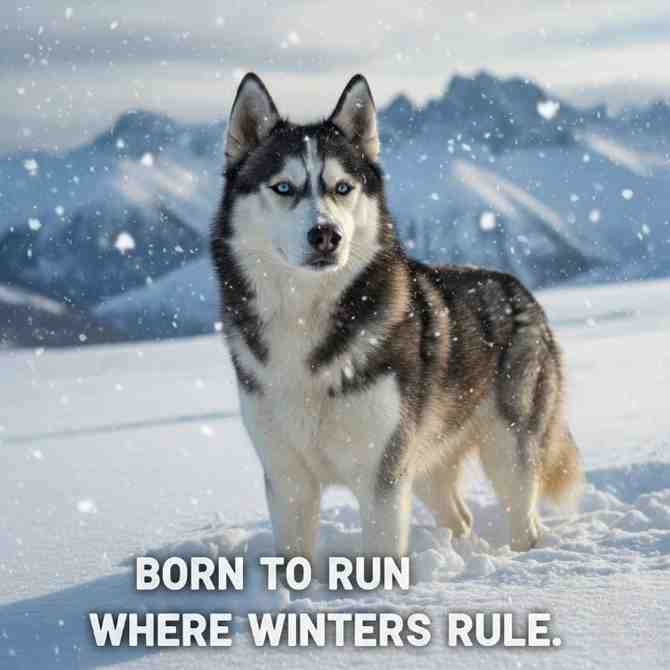
The Siberian Husky is one of the most popular cold climate dog breeds, known for endurance, high energy, and a thick double coat that protects it in extreme snow and freezing temperatures.
As a veterinarian, I often see Siberian Huskies thrive physically and mentally in colder environments, while heat and inactivity are the most common causes of health and behavior issues in this breed
| Characteristics | Brief Features |
|---|---|
| 1. Climate Adaptation & Origin | Originated in Siberia, bred by the Chukchi people for sled pulling in extreme sub-zero temperatures. |
| 2. Type Of Coat & Insulation | Dense two-layer coat designed for insulation; provides excellent thermal insulation and wind resistance. |
| 3. Ability to handle freezing temperatures | Highly tolerant; comfortably performs in temperatures as low as −40°C when properly conditioned. |
| 4. Body Structure & Heat Retention | Medium-sized, muscular body; compact ears and bushy tail reduce heat loss in cold climates. |
| 5. Energy Level & Exercise Needs | Very high energy; requires daily intense exercise, especially in cool or cold environments. |
| 6. Temperament & Trainability | Intelligent but independent; friendly with humans, requires consistent and patient training. |
| 7. Nutrition Needs in Cold Weather | Needs high-quality protein and fat-rich diet to support energy expenditure in cold conditions. |
| 8. Common Health Considerations | Prone to hip dysplasia, eye disorders, zinc-responsive dermatosis; generally cold-hardy. |
| 9. Indoor vs Outdoor Living Suitability | Can live indoors if exercised well; prolonged outdoor confinement is not recommended. |
| 10. Ideal Owner & Lifestyle Match | Best for active owners in cold climates with experience in high-energy working breeds. |
2.Alaskan Malamute
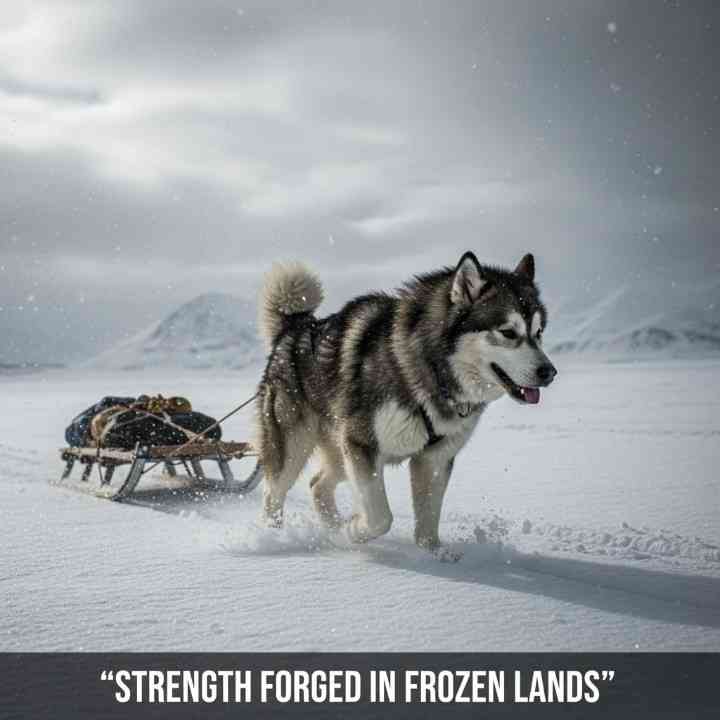
Alaskan Malamutes are powerful cold climate dog breeds bred for hauling heavy loads in Arctic regions. Their dense fur, strength, and stamina make them ideal companions for harsh winter environments.
| Parameter | Brief Features |
|---|---|
| 1. History & Origin | Originated in Arctic Alaska and bred by Inuit tribes for hauling heavy sled loads. |
| 2. Type of coat & Insulation | Extremely dense double coat with coarse guard hairs and thick undercoat. |
| 3. Cold Tolerance Level | Exceptional; thrives in extreme sub-zero conditions. |
| 4. Body Structure & Heat Retention | Large, powerful body with broad chest conserves heat efficiently. |
| 5. Energy Level & Exercise Needs | High strength endurance; needs daily physical work. |
| 6. Personality and learning ability | Loyal but dominant; requires firm, experienced handling. |
| 7. Nutrition Needs in Cold Weather | High-calorie, protein-rich diet essential. |
| 8. Common Health Considerations | Hip dysplasia, hypothyroidism, obesity risk. |
| 9. Home life versus outside life | Indoor possible with exercise; not suited to confinement. |
| 10. Best Suited For | Experienced, physically active owners in cold regions. |
3.Saint Bernard
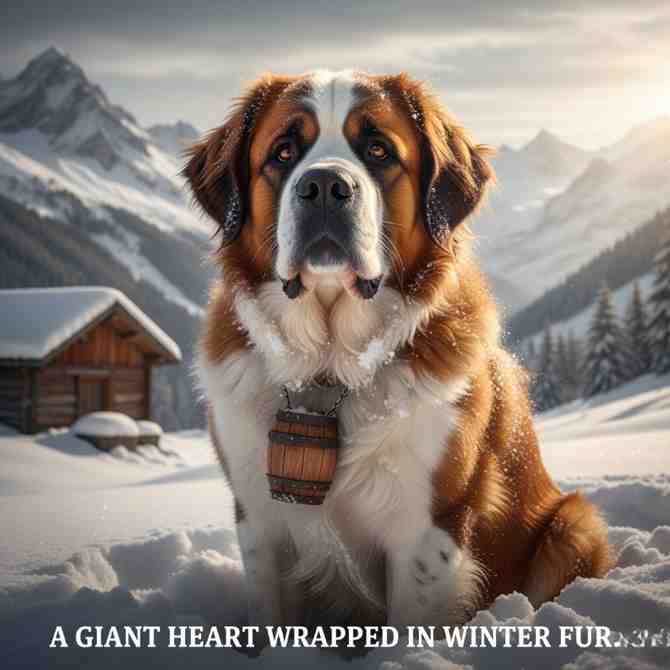
Saint Bernards are gentle giants among cold climate dog breeds, originally bred for alpine rescue. Their large bodies and thick coats help them withstand snow, cold winds, and freezing mountain conditions
| Characteristics | Brief Features |
|---|---|
| 1. Climate Adaptation & Origin | Swiss Alps rescue breed developed for snow rescues. |
| 2. Coat Type & Insulation | Thick, weather-resistant coat (smooth or rough). |
| 3.Comfort range in winter conditions | Very high. |
| 4. Body Structure & Heat Retention | Giant size and heavy bone mass retain warmth. |
| 5. Energy Level & Exercise Needs | Moderate; prefers short walks. |
| 6. Temperament & Behaviour | Gentle, calm, family-friendly. |
| 7. Nutrition Needs | Balanced diet; avoid overfeeding. |
| 8. Most Common Health Issues | Bloat, heart disease, joint issues. |
| 9. Home life versus outside life | Best living indoors with the family, especially when temperatures drop extremely low |
| 10. Best-Suited Owners | Families with space in cool climates. |
4.Samoyed
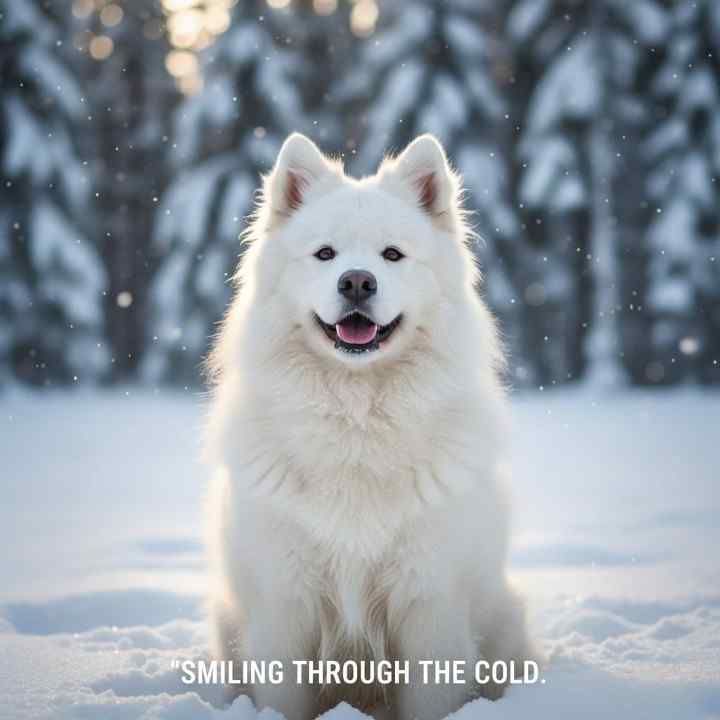
The Samoyed is a friendly and fluffy cold climate dog breed, famous for its thick white coat and cheerful nature. This breed thrives in snowy regions and enjoys active outdoor life in cold weather.
| Parameter | Brief Features |
|---|---|
| 1. Climate Adaptation & Origin | Siberian herding and sledding breed. |
| 2. Coat Type & Insulation | Thick, fluffy white double coat. |
| 3. Ability to handle freezing temperatures | Excellent. |
| 4. Body Structure & Heat Retention | Medium build with curled tail for warmth. |
| 5. Energy Level & Exercise Needs | High; needs daily activity. |
| 6. Behavioral traits and ease of training | Friendly, social, moderately trainable. |
| 7. Nutrition Requirements | Moderate-to-high energy diet. |
| 8. General health issues | Hip dysplasia, diabetes. |
| 9. Living indoors or outdoors | Indoor preferred with exercise. |
| 10. Ideal Owner & Lifestyle Match | Active, social households. |
5.Norwegian Elkhound
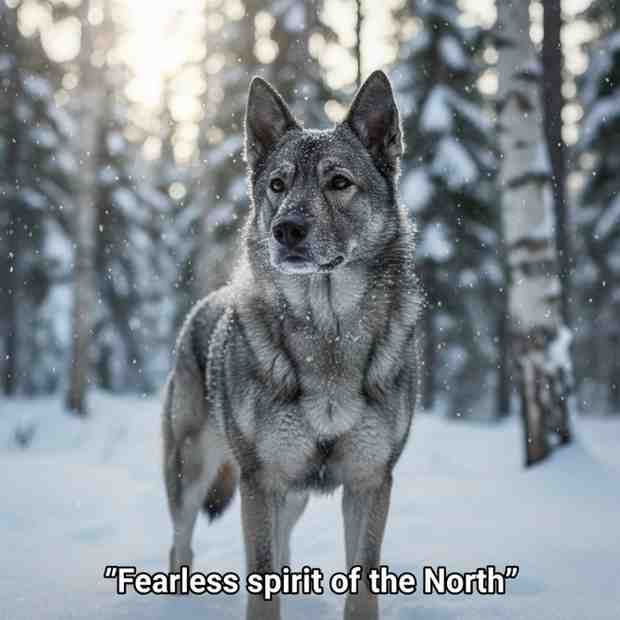
Norwegian Elkhounds are hardy cold climate dog breeds developed for hunting in Nordic winters. Their dense coat, alert nature, and endurance make them well suited for cold, snowy landscapes.
| Characteristics | Brief Features |
|---|---|
| 1. Climate Adaptation & Origin | Nordic hunting breed from Norway. |
| 2. Coat Type & Insulation | Dense, coarse double coat. |
| 3. Cold Tolerance Level | Very high. |
| 4.Body Structure & Heat Conservation | Compact, muscular body. |
| 5. Energy Level & Exercise Needs | High stamina. |
| 6. Temperament and learning capacity | Alert, independent, loyal. |
| 7. Nutrition Needs | High-protein diet. |
| 8. Common Health Considerations | Hip dysplasia. |
| 9.Domestic living vs outdoor lifestyle | Adaptable with exercise. |
| 10. Ideal Owner & Lifestyle Match | Active, experienced owners. |
6.Bernese Mountain Dog
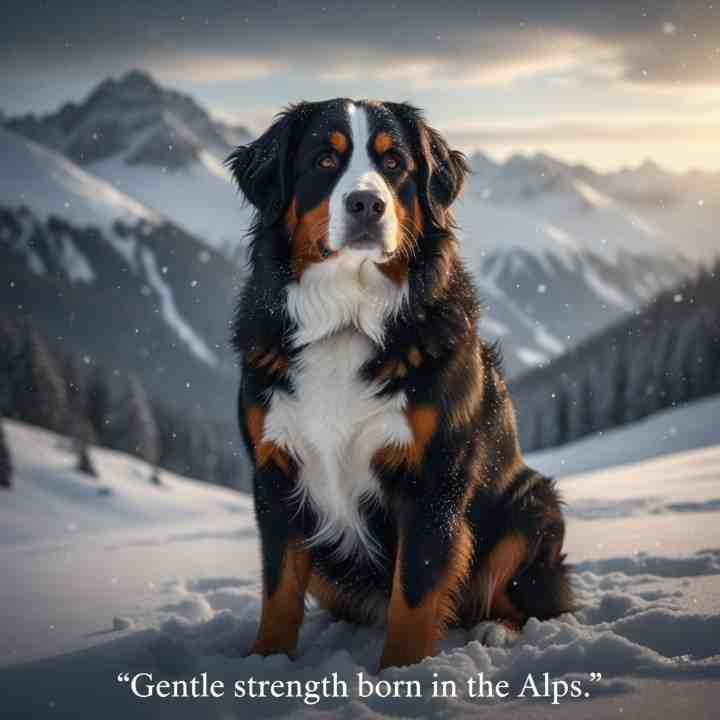
The Bernese Mountain Dog is among dogs that tolerate extreme cold, originally bred in the Swiss Alps. Its thick coat, strong body, and calm nature make it well suited for snowy environments and cold climates.
| Parameter | Brief Features |
|---|---|
| 1. Climate Adaptation & Origin | Swiss Alps farm and draft dog. |
| 2. Coat Type & Insulation | Long, thick tricolor coat. |
| 3. Cold Tolerance Level | High. |
| 4. Body Structure & Heat Retention | Large, muscular frame. |
| 5. Energy Level & Exercise Needs | Moderate. |
| 6. Temperament & Trainability | Gentle, affectionate. |
| 7. Nutrition Requirement | Joint-supportive diet. |
| 8. General health concerns | Cancer risk, hip dysplasia. |
| 9. In-home living versus outside living | Indoor preferred. |
| 10. Best-Suited Owners | Families in cool climates. |
7.Tibetan Mastiff
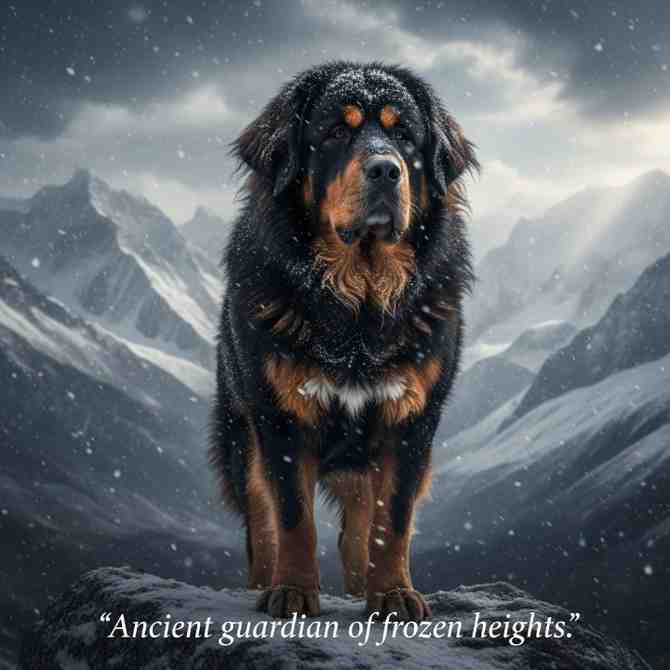
The Tibetan Mastiff is one of the most powerful dogs that tolerate extreme cold, developed to guard livestock in the Himalayas. Its massive size, heavy coat, and protective instinct help it survive harsh winters
| Characteristics | Brief Features |
|---|---|
| 1. Climate Adaptation & Origin | Himalayan guardian breed. |
| 2. Coat Type & Insulation | Massive double coat with mane. |
| 3. Standard comfort zone for winter indoors | Extreme. |
| 4. Body Structure & Heat Retention | Large, heavily insulated body. |
| 5. Energy Level & Exercise Needs | Low–moderate. |
| 6. Personality and learning ability | Protective, independent. |
| 7. Nutrition Needs | Controlled, high-quality diet. |
| 8. Common Health Considerations | Hypothyroidism, joint issues. |
| 9. Indoor and outdoor lifestyles | Outdoor shelter with indoor access. |
| 10. Best Suited For | Highly experienced owners only. |
8.Finnish Lapphund
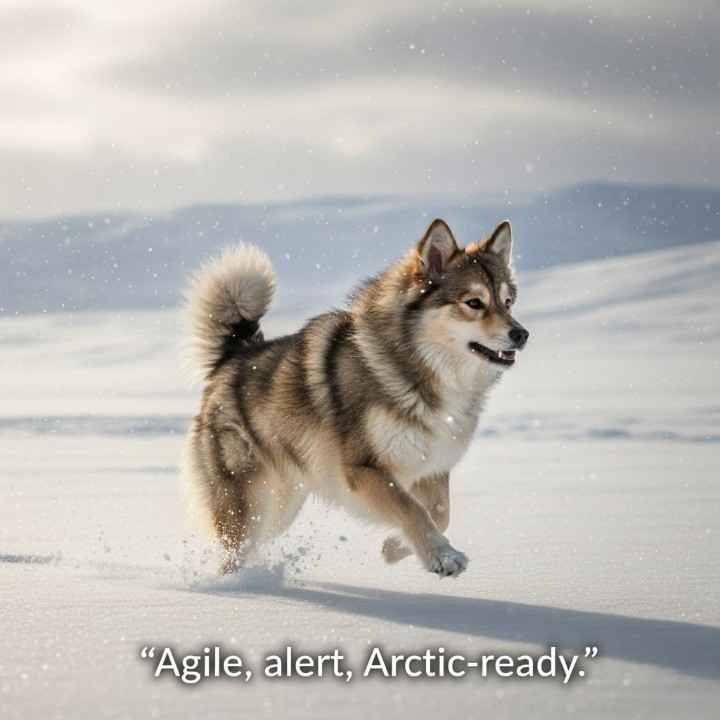
Finnish Lapphunds are intelligent dogs that tolerate extreme cold, bred for herding reindeer in Arctic regions. Their dense fur, agility, and friendly temperament allow them to thrive in freezing temperatures.
| Parameter | Brief Features |
|---|---|
| 1. Climate Adaptation & Origin | Finland; reindeer herding dog. |
| 2. Coat Type & Insulation | Dense double coat. |
| 3. Ability to handle freezing temperatures | Excellent. |
| 4. Body Structure & Heat Conservation | Medium, agile build. |
| 5. Energy Level & Exercise Needs | High. |
| 6. Temperament & Trainability | Intelligent, calm, responsive. |
| 7. Nutrition Needs | Energy-supportive diet. |
| 8. Common Health Considerations | Eye disorders. |
| 9. Home life versus outside life | Indoor adaptable. |
| 10. Ideal Owner & Lifestyle Match | Active families. |
9.Keeshond
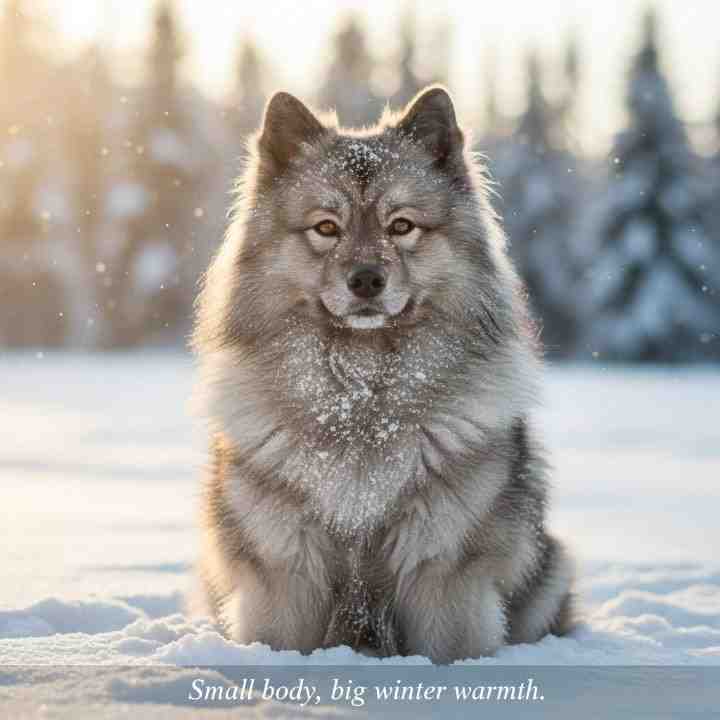
The Keeshond is a compact yet fluffy breed among dogs that tolerate extreme cold. Its heavy insulating fur with a protective underlayer provides insulation, while its alert and affectionate nature makes it a great companion in chilly climates.
| Characteristics | Brief Features |
|---|---|
| 1. Climate Adaptation & Origin | Dutch watchdog breed. |
| 2. Coat Type & Insulation | Plush, insulating double coat. |
| 3. Performance in extreme cold | High. |
| 4. Body Structure & Heat Retention | Compact body. |
| 5. Energy Level & Exercise Needs | Moderate. |
| 6. Temperament and learning capacity | Alert, friendly. |
| 7. Nutrition Needs | Moderate caloric needs. |
| 8. Core health issues | Skin and thyroid issues. |
| 9.Inside living and outside living | Well suited for indoor living. |
| 10. Ideal Owner & Lifestyle Match | Apartment-friendly households. |
10.Akita
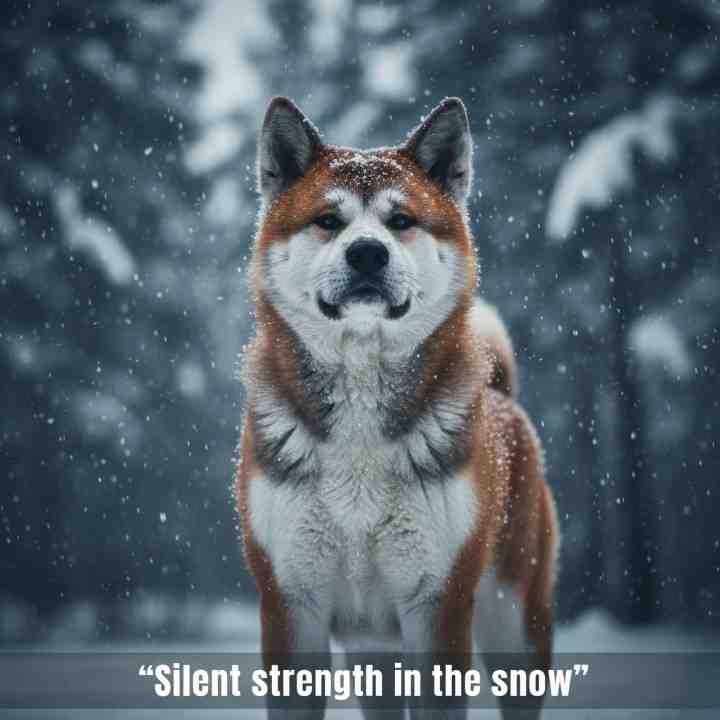
Akitas are loyal and powerful dogs that tolerate extreme cold, originating from northern Japan. Their dense double coat, muscular build, and calm confidence help them adapt well to cold and snowy regions.
| Parameter | Brief Features |
|---|---|
| 1. Climate Adaptation & Origin | Japan; guarding and hunting breed. |
| 2. Coat Type & Insulation | Thick, dense double coat. |
| 3. Typical comfort level in winter | High. |
| 4. Body Structure & Heat Retention | Heavy, muscular frame. |
| 5. Energy Level & Exercise Needs | Moderate. |
| 6. Temperament & Trainability | Loyal, reserved, dominant. |
| 7. Nutrition Needs | High-quality protein diet. |
| 8. General health concerns | Hip dysplasia, autoimmune issues. |
| 9. Living indoors or outdoors | Indoor with structure. |
| 10. Ideal Owner & Lifestyle Match | Experienced handlers. |
11.Great Pyrenees
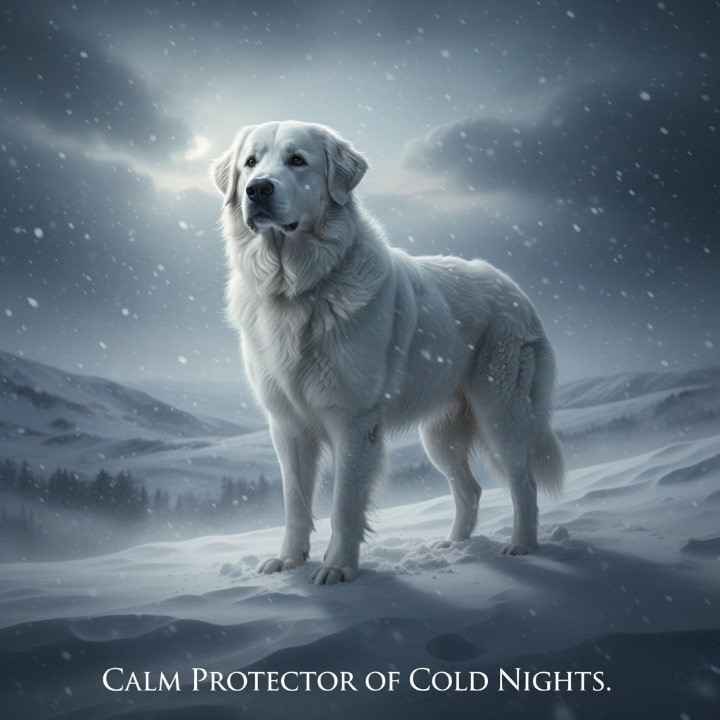
The Great Pyrenees is one of the best dogs for cold climate families, known for its calm temperament and protective nature. Its thick coat and gentle personality make it ideal for snowy regions and family homes.
| Characteristics | Brief Features |
|---|---|
| 1. Climate Adaptation & Origin | Pyrenees Mountains livestock guardian. |
| 2. Coat Type & Insulation | Long, thick insulating coat. |
| 3.Performance in extreme cold | Excellent. |
| 4. Body Structure & Heat Control | Large with dense fur |
| 5. Energy Level & Exercise Needs | Low–moderate. |
| 6.Personality and learning ability | Calm, protective. |
| 7. Nutrition Needs | Calorie-controlled diet. |
| 8. Common Health Considerations | Hip dysplasia, bloat. |
| 9. Indoor vs Outdoor Living | Indoor with yard preferred. |
| 10. Ideal Owner & Lifestyle Match | Rural or semi-rural owners. |
12.Icelandic Sheepdog
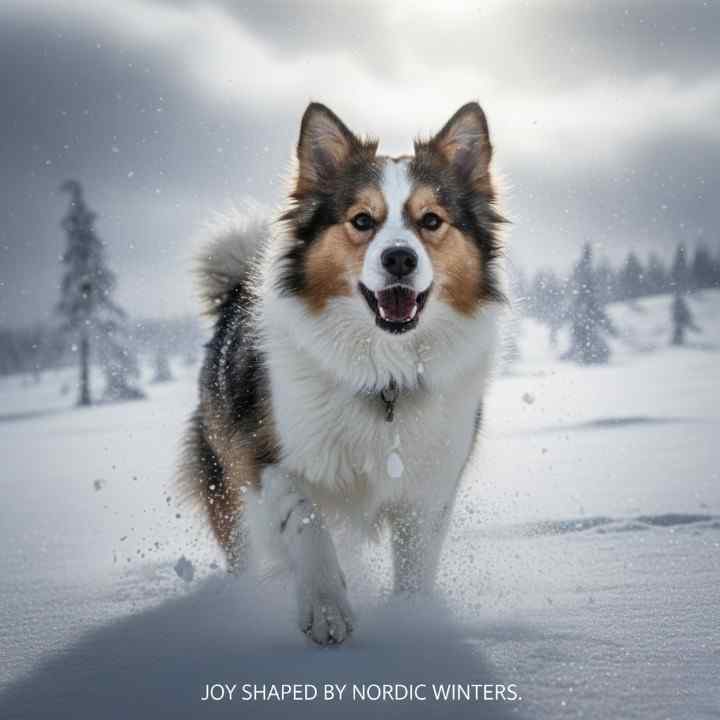
The Icelandic Sheepdog is a cheerful choice among dogs for cold climate families. Bred for harsh Nordic weather, its thick coat, friendly behavior, and adaptability make it a great companion in cold environments.
| Parameter | Brief Features |
|---|---|
| 1.Adaptation & Origin | Belong to Iceland; mainly developed to herd sheep in cold, and windy climates. |
| 2. Coat Type & Insulation | Thick double coat that provides insulation against cold rain and snow. |
| 3. Cold Tolerance Level | High; well adapted to cold, wet environments. |
| 4.Physical Structure & Heat Retention | Medium-sized, sturdy body minimizes heat loss. |
| 5. Energy Level & Exercise Needs | High energy; requires regular outdoor activity. |
| 6. Temperament & Trainability | Friendly, alert, intelligent, and eager to learn. |
| 7. Nutrition Needs in Cold Weather | Balanced, energy-supportive diet. |
| 8. Core health issues | Hip dysplasia, eye disorders. |
| 9. Indoor lifestyle and yard lifestyle | Adapts well indoors with sufficient exercise. |
| 10. Ideal Owner & Lifestyle Match | Active families in cool to cold climates. |
13.Chow Chow
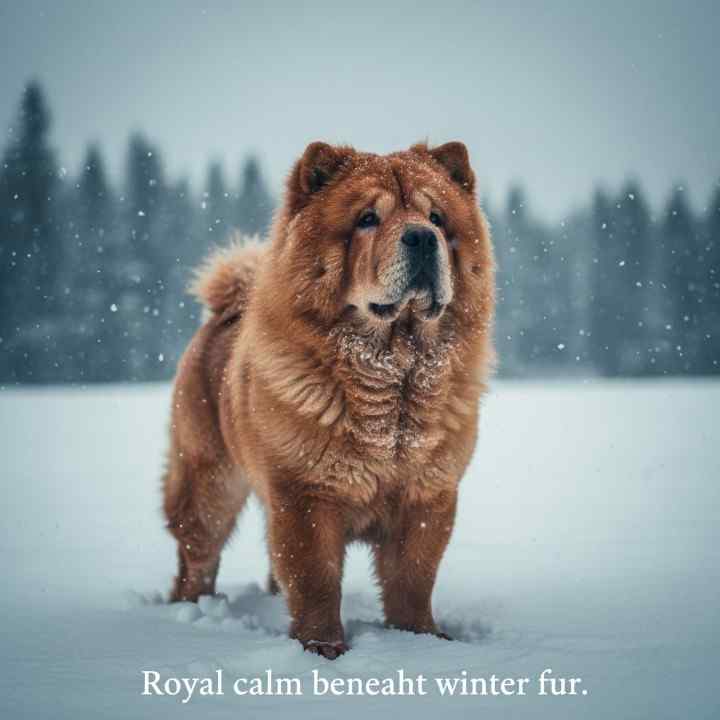
Chow Chows are sturdy dogs for cold climate families, recognized for their dense fur and calm demeanor. Their thick coat protects them from cold, while their reserved nature suits quieter family settings.
| Characteristics | Brief Features |
|---|---|
| 1. Climate Adaptation & Origin | Ancient breed from northern China, developed for guarding and hunting. |
| 2. Coat Type & Insulation | Weather-resistant coat built for freezing temperatures with mane-like ruff. |
| 3. Optimal winter comfort zone | High; tolerates cold better than heat. |
| 4. Body Structure & Heat Conservation | Compact, stocky body aids heat conservation. |
| 5. Energy Level & Exercise Needs | Low to moderate. |
| 6. Temperament and learning capacity | Independent, reserved, loyal to owners. |
| 7. Nutrition Needs in Cold Weather | Balanced diet; avoid excess weight gain. |
| 8. Common Health Considerations | Skin infections, eye disorders, hip dysplasia. |
| 9. Indoor vs Outdoor Living Suitability | Indoor living recommended. |
| 10. Ideal Owner & Lifestyle Match | Calm, experienced owners in cooler regions. |
14.Shiba Inu
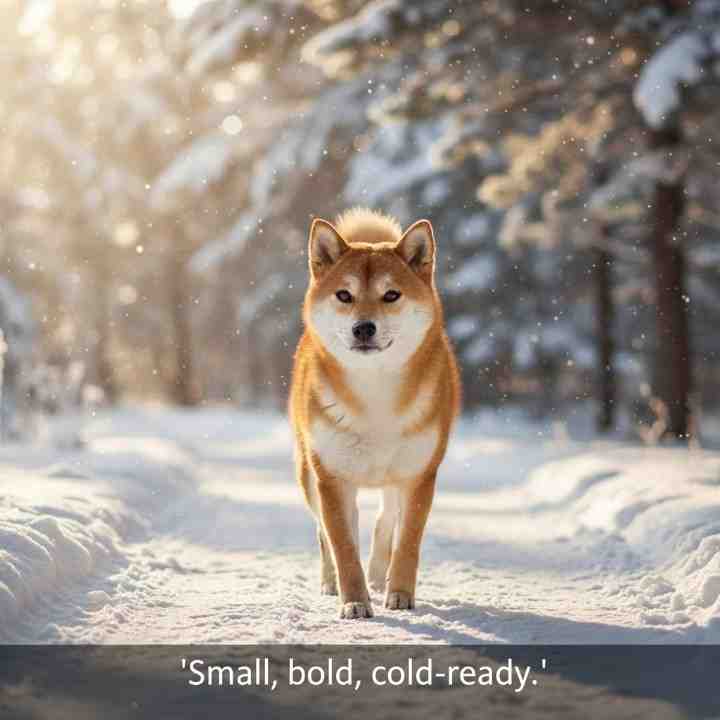
The Shiba Inu is a compact and alert option among dogs for cold climate families. Its double coat offers good insulation, and its independent yet loyal personality fits well in colder regions.
| Parameter | Brief Features |
|---|---|
| 1. Climate Adaptation & Origin | Japanese hunting breed from mountainous regions. |
| 2. Coat Type & Insulation | Dense double coat provides moderate insulation. |
| 3. Cold Tolerance Level | Moderate to high. |
| 4. Body Structure & Heat Retention | Small, compact frame retains body heat. |
| 5. Energy Level & Exercise Needs | Moderate. |
| 6. Personality and learning ability | Alert, independent, intelligent. |
| 7. Nutrition Needs in Cold Weather | Lean, high-quality diet. |
| 8. Common Health Considerations | Allergies, patellar luxation. |
| 9.In-home living versus outside living | Well suited for indoor living. |
| 10. Ideal Owner & Lifestyle Match | Experienced owners in apartments or homes. |
15.Leonberger
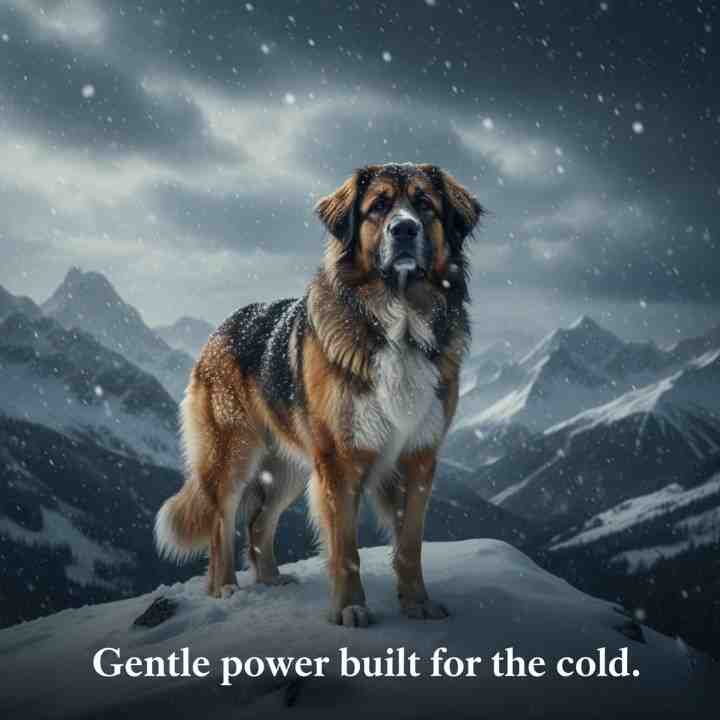
The Leonberger is a gentle giant among dogs for cold climate families, combining strength with affection. Its thick, water-resistant coat and calm temperament make it well suited for cold, mountainous areas.
| Characteristics | Brief Features |
|---|---|
| 1. Climate Adaptation & Origin | German breed developed for cold, mountainous regions. |
| 2. Coat Type & Insulation | Thick, water-resistant double coat. |
| 3. Performance in extreme cold | High. |
| 4. Body Structure & Heat Retention | Giant, muscular body retains warmth. |
| 5. Energy Level & Exercise Needs | Moderate. |
| 6. Personality and learning ability | Gentle, intelligent, family-oriented. |
| 7. Nutrition Needs in Cold Weather | Large-breed, joint-supportive diet. |
| 8. Usual health risks | Heart disease, hip dysplasia. |
| 9. Indoor vs Outdoor Living Suitability | Indoor living preferred. |
| 10. Ideal Owner & Lifestyle Match | Families with space in cool climates. |
16.Canadian Eskimo Dog
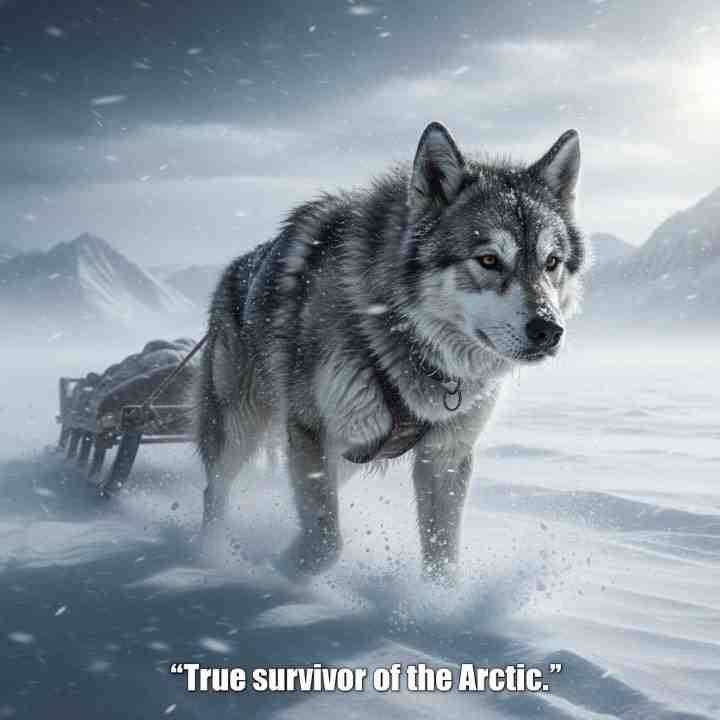
The Canadian Eskimo Dog is one of the toughest cold-tolerant dog breeds, developed for sledding and hunting in Arctic Canada. Its dense coat, strength, and endurance allow it to thrive in extreme freezing conditions.
| Parameter | Brief Features |
|---|---|
| 1. Climate Adaptation & Origin | Arctic Canada; ancient sled and hunting dog. |
| 2. Coat Type & Insulation | Extremely dense double coat. |
| 3. Natural resistance to cold climates | Extreme; thrives in Arctic conditions. |
| 4. Body Structure & Heat Retention | Powerful, athletic body with strong paws. |
| 5. Energy Level & Exercise Needs | Very high. |
| 6. Temperament & Trainability | Strong-willed, intelligent, pack-oriented. |
| 7. Nutrition Needs in Cold Weather | High-fat, high-protein diet. |
| 8. Common Health Considerations | Generally hardy; joint stress possible. |
| 9.Home life versus outside life | Best suited to cold outdoor environments. |
| 10. Ideal Owner & Lifestyle Match | Experienced working-dog handlers only. |
17.Yakutian Laika
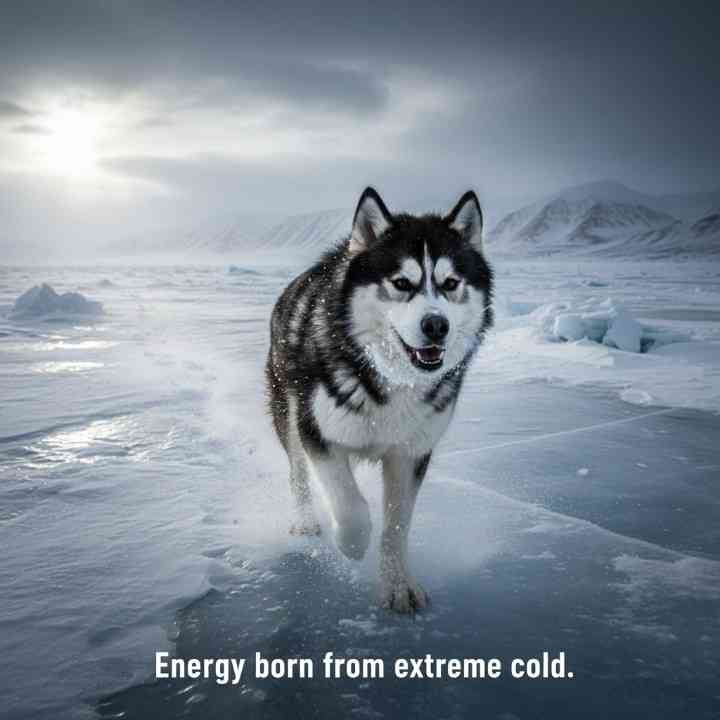
Yakutian Laikas are athletic cold-tolerant dog breeds from Siberia, bred for sledding and hunting. Their thick fur, friendly nature, and high energy help them perform well in snowy and extremely cold climates.
| Characteristics | Brief Features |
|---|---|
| 1. Climate Adaptation & Origin | Siberian breed developed for sledding and hunting. |
| 2. Coat Type & Insulation | Layered coat that traps body heat efficiently with strong underfur. |
| 3. Cold Tolerance Level | Extreme. |
| 4. Body Structure & Heat Retention | Medium build with excellent endurance. |
| 5. Energy Level & Exercise Needs | High. |
| 6. Behavioral traits and ease of training | Social, intelligent, cooperative. |
| 7. Nutrition Needs in Cold Weather | Energy-rich working-dog diet. |
| 8. Common Health Considerations | Generally robust with few genetic issues. |
| 9. Indoor vs Outdoor Living Suitability | Indoor possible in cold regions with exercise. |
| 10. Ideal Owner & Lifestyle Match | Active owners in cold climates. |
18.Caucasian Shepherd
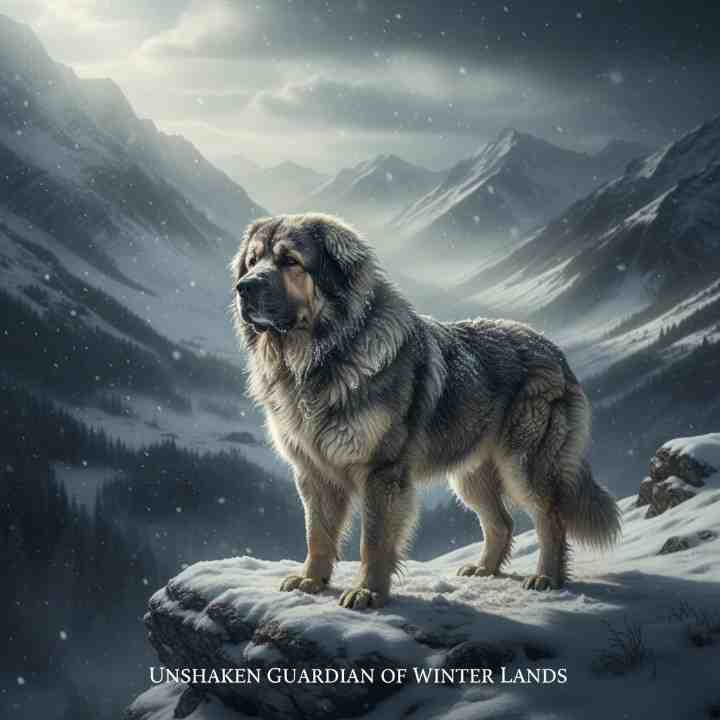
The Caucasian Shepherd is a powerful guardian among cold-tolerant dog breeds, originally bred to protect livestock in mountainous regions. Its massive body, thick coat, and strong protective instincts suit harsh winter environments.
| Parameter | Brief Features |
|---|---|
| 1. Climate Adaptation & Origin | Caucasus Mountains; livestock guardian. |
| 2. Coat Type & Insulation | Very thick, heavy insulating coat. |
| 3. Natural resistance to cold climates | Extreme. |
| 4. Body Structure & Heat Retention | Massive, powerful body conserves heat. |
| 5. Energy Level & Exercise Needs | Low to moderate. |
| 6. Temperament & Trainability | Highly protective, dominant. |
| 7. Nutrition Needs in Cold Weather | Controlled, high-quality diet. |
| 8.Usual health risks | Hip dysplasia, joint issues. |
| 9.Home life versus outside life | Secure outdoor area with shelter. |
| 10. Ideal Owner & Lifestyle Match | Expert handlers with guarding needs. |
19.Swedish Vallhund
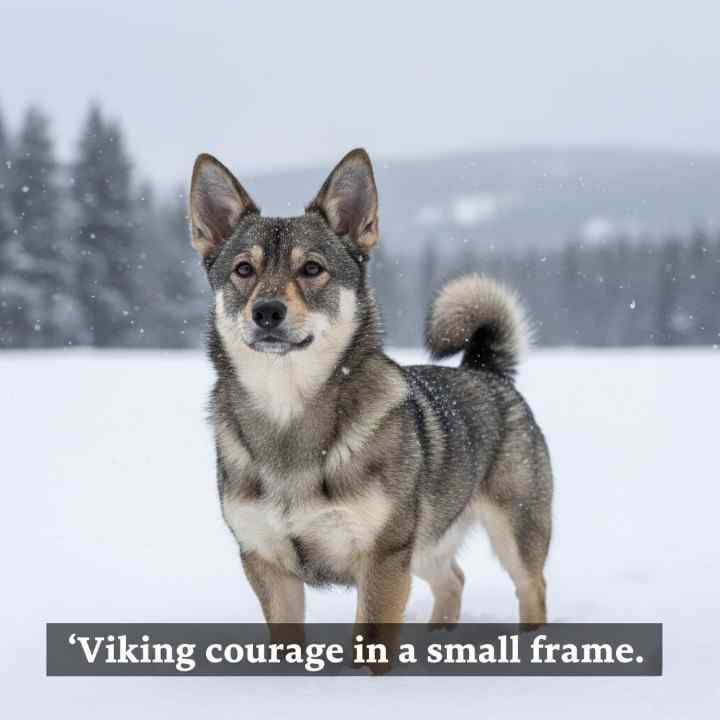
The Swedish Vallhund is a small yet hardy member of cold-tolerant dog breeds, developed during the Viking era. Its dense coat, alert personality, and energy make it well suited for cold and windy climates.
| Characteristics | Brief Features |
|---|---|
| 1. Climate Adaptation & Origin | Viking-era herding breed from Sweden. |
| 2. Coat Type & Insulation | Dense, weather-resistant coat. |
| 3. Cold Tolerance Level | High. |
| 4. Body Structure & Heat Retention | Small, sturdy body conserves heat. |
| 5. Energy Level & Exercise Needs | High. |
| 6. Behavioral traits and ease of training | Alert, intelligent, responsive. |
| 7. Nutrition Needs in Cold Weather | Balanced, active-dog diet. |
| 8.Key health factors | Spinal disorders, hip issues. |
| 9. Indoor vs Outdoor Living Suitability | Adapts well indoors. |
| 10. Ideal Owner & Lifestyle Match | Active families and herding enthusiasts. |
20.Greenland Dog
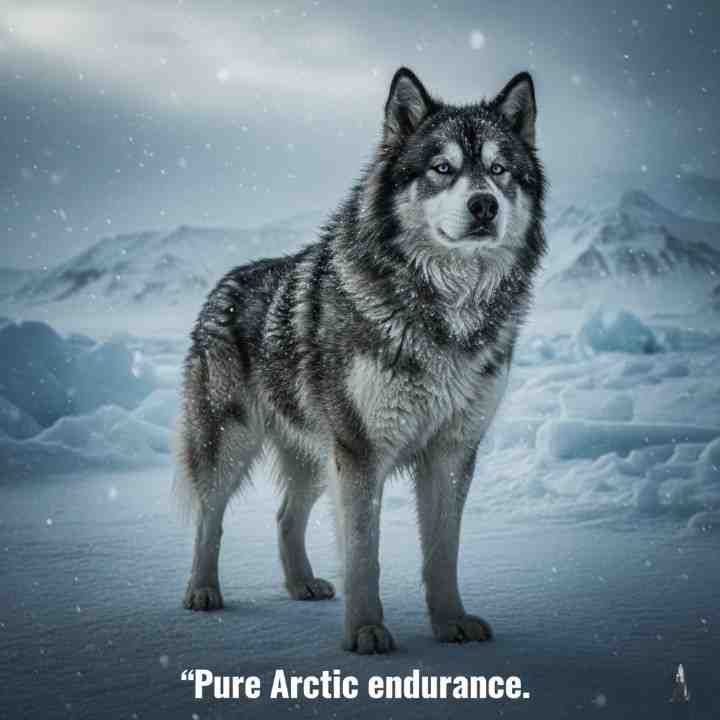
The Greenland Dog is a true Arctic sled dog and one of the most resilient cold-tolerant dog breeds. Its strong build, thick double coat, and endurance allow it to survive extreme cold with ease.
| Parameter | Brief Features |
|---|---|
| 1. Climate Adaptation & Origin | Greenland; ancient Arctic sled dog. |
| 2. Coat Type & Insulation | Arctic-grade thick double coat. |
| 3. Natural resistance to cold climates | Extreme. |
| 4. Body Structure & Heat Retention | Strong, muscular build with tough paws. |
| 5. Energy Level & Exercise Needs | Very high. |
| 6. Personality and learning ability | Independent, strong pack instinct. |
| 7. Nutrition Needs in Cold Weather | High-fat, high-protein diet. |
| 8. Typical health issues | Generally hardy; few breed-specific issues. |
| 9. Indoor vs Outdoor Living Suitability | Best suited for cold outdoor living. |
| 10. Ideal Owner & Lifestyle Match | Working-dog owners in extreme cold regions. |
21.Newfoundland
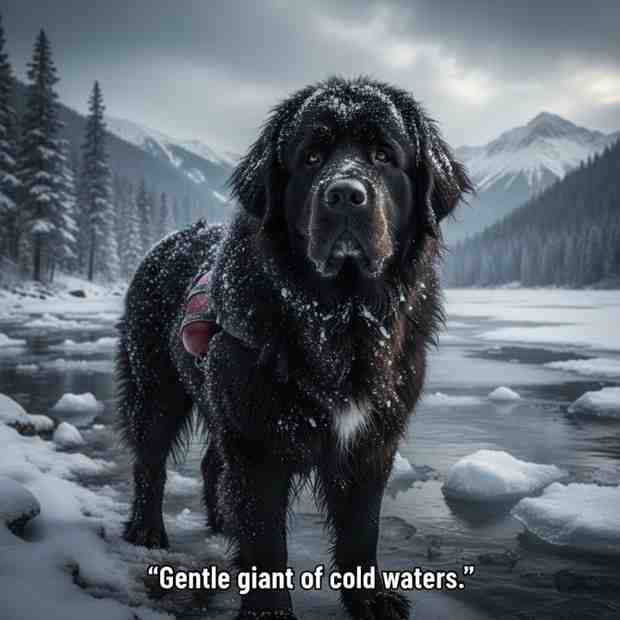
The Newfoundland is a gentle giant among cold-tolerant dog breeds, famous for water rescue in cold regions. Its water-resistant coat, strength, and calm temperament help it handle cold climates comfortably.
| Characteristics | Brief Features |
|---|---|
| 1. Climate Adaptation & Origin | Canadian working and water-rescue breed. |
| 2. Coat Type & Insulation | Water-resistant double coat. |
| 3.Comfort range in winter conditions | High. |
| 4. Body Structure & Heat Retention | Large body with insulating fat. |
| 5. Energy Level & Exercise Needs | Moderate. |
| 6. Temperament & Trainability | Gentle, obedient. |
| 7. Nutrition Needs | Joint-supportive diet. |
| 8. General health concerns | Heart disease, joint disorders. |
| 9. Living indoors or outdoors | Indoor recommended. |
| 10. Ideal Owner & Lifestyle Match | Families with space and cool climate. |
Are Cold Weather Dogs Comfortable in Warm Climates?
From a health standpoint, cold-adapted breeds require careful seasonal management, especially in warmer regions, to prevent overheating and skin disorders.
Cold weather dog breeds can struggle in hot or humid regions.
Cold weather dog breeds often struggle in warm conditions due to their thick coats and physiology.
| Problem Faced | How To Manage |
|---|---|
| Heat exhaustion | Provide shade, cool water, and rest in AC |
| Excessive panting | Use cooling mats or wet towels; avoid midday walks |
| Dehydration | Offer ice chips and electrolyte solutions frequently |
| Overheating | Trim fur lightly; never shave completely |
| Lethargy/weakness | Monitor temp; vet visit if over 103°F |
| Drooling/vomiting | Fan cooling and damp cloths on belly/paws |
| Rapid heart rate | Limit exercise; indoor play only |
| Muscle tremors | Cool environment; avoid hot cars/humid areas |
| Reddened gums | Immediate cooling; ice water baths if safe |
| Collapse/seizures | Emergency vet; cool with water/alcohol rubs |
Winter Care Tips for Cold Weather Dog Breeds
Avoid shaving double coats
Check paws for ice buildup
Provide adequate calories in winter
Ensure hydration even in cold weather
Final Thoughts
Some dog breeds are naturally built for winter, handling snow and freezing temperatures far better than others. Their strength, coats, and resilience make them ideal companions for snowy regions and winter-loving owners. Choosing the right breed ensures both comfort and long-term health.
Based on veterinary experience, choosing a cold weather breed should depend not only on appearance but also on climate, activity level, and owner commitment.
FAQs On Cold Weather Dog Breeds
Which dog breeds tolerate extreme cold the best?
Some cold weather dog breeds like Siberian Huskies, Alaskan Malamutes, and Greenland Dogs tolerate extreme cold very well due to their thick fur and working-dog heritage among cold climate dog breeds.
Can cold climate dog breeds live in warm countries?
Cold climate dog breeds can live in warm areas with proper care. Cold weather dog breeds need air conditioning, limited outdoor activity in heat, and regular grooming to prevent overheating.
Do cold weather dog breeds need winter jackets?
Most cold weather dog breeds do not need jackets in winter. Cold climate dog breeds already have insulating coats, though short-haired or elderly dogs may benefit in extreme conditions.
Are cold climate dog breeds good for families?
Yes, many cold climate dog breeds like Saint Bernards and Great Pyrenees are excellent family pets. Cold weather dog breeds often have calm, loyal temperaments when their exercise needs are met.
Do cold weather dog breeds require special diets?
Cold weather dog breeds often need higher calories during winter. Cold climate dog breeds benefit from protein- and fat-rich diets to support energy and maintain body warmth.
Can cold climate dog breeds live indoors?
Yes, many cold climate dog breeds live comfortably indoors. Cold weather dog breeds still need daily exercise and mental stimulation, especially if outdoor temperatures are extremely low.
Are cold weather dog breeds easy to groom?
Cold weather dog breeds require regular grooming due to heavy shedding. Cold climate dog breeds should not be shaved, as their coats protect both from cold and overheating.
What should I consider before adopting a cold weather dog breed?
Before adopting cold weather dog breeds, consider your climate, lifestyle, and activity level. Cold climate dog breeds thrive best with owners who understand their exercise, grooming, and temperature needs.
Can cold weather dog breeds live comfortably in India?
Cold weather dog breeds can live in India with proper care. Cold climate dog breeds need air-conditioned spaces, limited outdoor exposure during heat, and careful monitoring to prevent overheating.
Which cold climate dog breeds adapt best to Indian conditions?
Some cold climate dog breeds like Saint Bernards, Akitas, and Newfoundlands adapt better than high-energy sled dogs. Cold weather dog breeds with calmer temperaments handle Indian conditions more comfortably.
Should cold weather dog breeds be shaved in hot climates?
No, shaving is not recommended. Cold weather dog breeds rely on their coat for temperature regulation, and cold climate dog breeds can overheat more easily if shaved.

1 thought on “21 Poweful Cold Weather Dog Breeds That Thrive in Snow”