Why rabbits eat their babies is frequently asked question by bunny pet parents at my clinic. We can provide better care to our pets by understanding their behaviour. At first, the idea of a mother rabbit eating her babies may seem cruel or unnatural. In reality, this behavior has biological, environmental, nutritional, and health reasons. When explained clearly, it becomes easier to prevent and manage.
Table of Contents
1. Introduction: Why This Topic Matters
Rabbits are gentle animals. They usually care well for their newborns (called kits). However, sometimes a mother rabbit may bite, kill, or even eat one or more babies. This worries farmers, pet owners, and students.
Learning why rabbits eat their babies helps us:
- To protect baby rabbits
- To improve animal welfare
- Reduce losses in breeding farms
- For understanding animal instincts
Veterinarians explain that this behavior is rarely due to cruelty. It is usually linked to stress, sickness, hunger, or poor environment.
2. Normal Mother Behavior in Rabbit
Before learning why rabbits eat their babies, it is important to know what normal behavior looks like.
Normal Signs of a Healthy Mother Rabbit
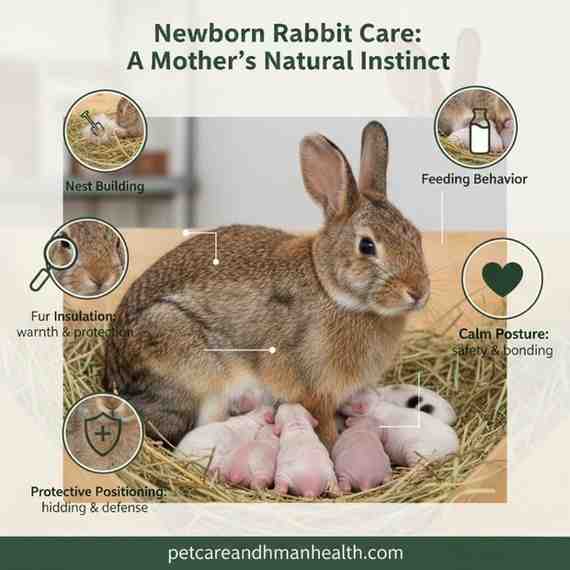
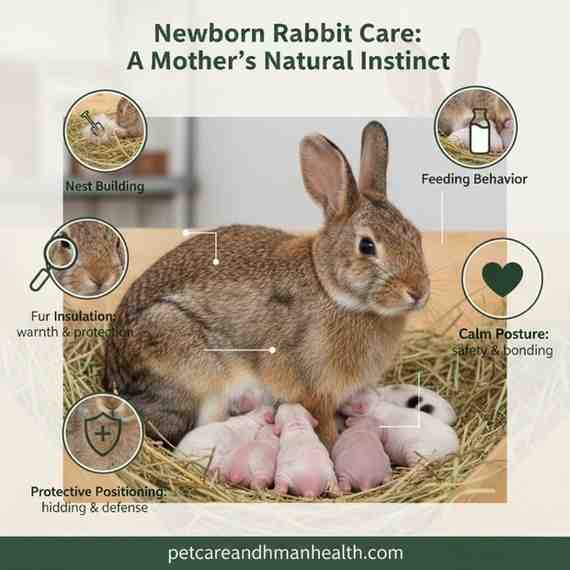
- Builds a soft nest using hay and fur
- Feeds babies once or twice daily
- Keeps the nest warm and clean
- Removes dead babies naturally
- Stays calm and alert
Rabbits do not stay with babies all day like cats or dogs. This protects the nest from predators.
3. What Does “Eating Babies” Really Mean?
Sometimes people think a rabbit is eating babies when:
- A baby is born dead and the mother removes it
- A baby is accidentally injured during cleaning
- Blood from birth looks frightening
True cannibalism means the mother intentionally eats or severely bites living babies. Understanding this difference helps avoid false fear when discussing why rabbits eat their babies.
4. Main Reasons Why Rabbits Eat Their Babies
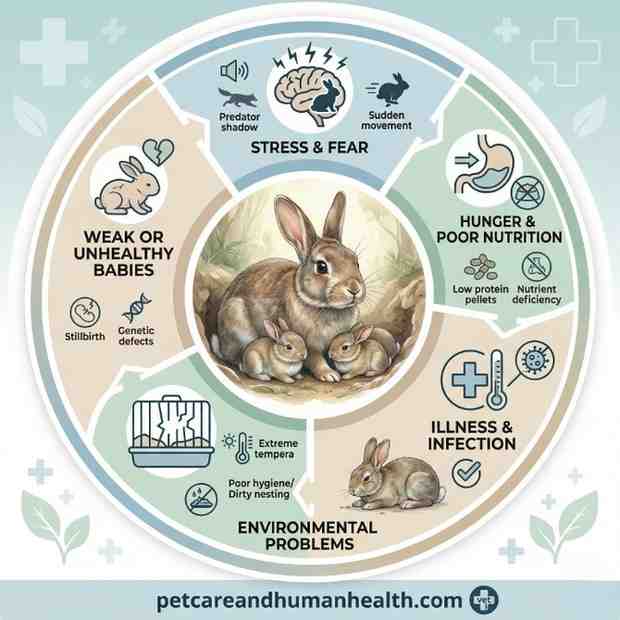
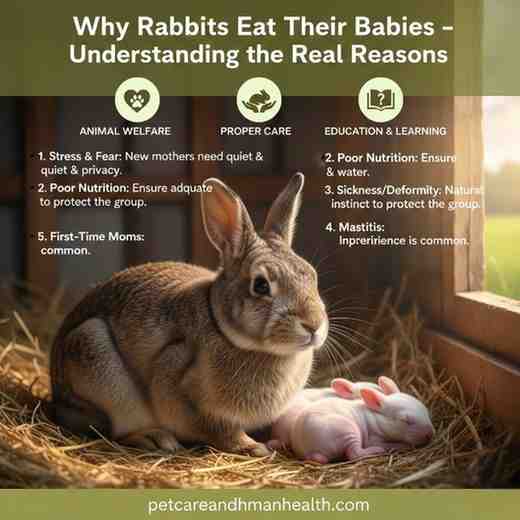
Veterinarians group causes into five main areas:
- Stress
- Nutrition problems
- Health and pain
- Environment and handling
- Baby-related issues
5. Stress: The Most Common Cause
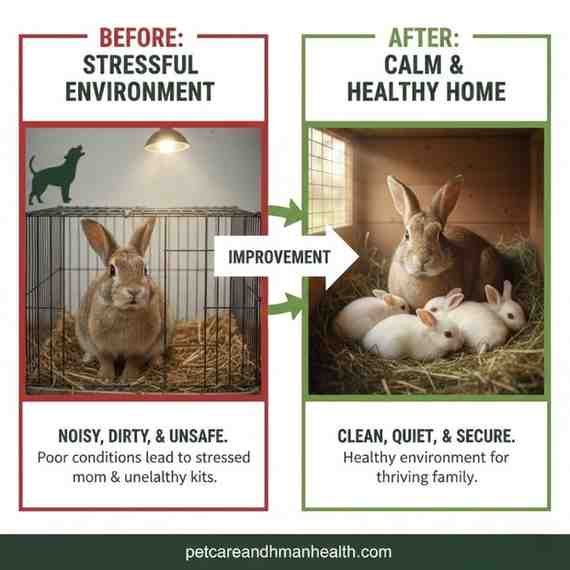
Stress is the leading reason of rabbit eating newborn kits.
Sources of Stress
- Loud noise (machines, barking dogs, fireworks)
- Frequent human touching
- New cages or sudden movement
- Presence of predators (cats, rats, snakes)
- Overcrowding
Stress triggers fear. The mother feels unsafe and may harm the babies in panic.
Veterinary View
Stress hormones like cortisol disturb mother instincts. The rabbit may lose bonding with kits.
6. Nutrition Deficiency and Hunger
Poor nutrition is another major reason of mother rabbit eating babies.
Common Nutrient Problems
- Low protein diet
- Lack of calcium and minerals
- Not enough fresh water
- Poor quality hay or greens
A weak mother may eat babies to regain nutrients.
Table: Ideal Nutrition for Pregnant and Nursing Rabbits
| Nutrient | Source | Purpose |
|---|---|---|
| Protein | Alfalfa hay, pellets | Milk production |
| Calcium | Green leafy vegetables | Bone and milk health |
| Fiber | Grass hay | Digestion |
| Water | Clean fresh water | Milk formation |
| Vitamins | Fresh vegetables | Immunity |
7. Pain and Disease in Mother Rabbit
Illness can change behavior. Pain may explain why rabbits eat their babies.
Health Problems
- Mastitis (breast infection)
- Fever and infection
- Weakness after delivery
- Injury
- Digestive disorders
Pain makes the mother aggressive or restless.
Veterinary Tip
Any rabbit showing loss of appetite, fever, swelling, or unusual behavior should be examined by a veterinarian.
8. First-Time Mother Inexperience
Young or first-time mothers may not know how to care properly.
They may:
- Bite babies accidentally
- Panic during delivery
- Fail to build proper nests
This explains some cases of why rabbits eat their babies.
9. Environmental Problems
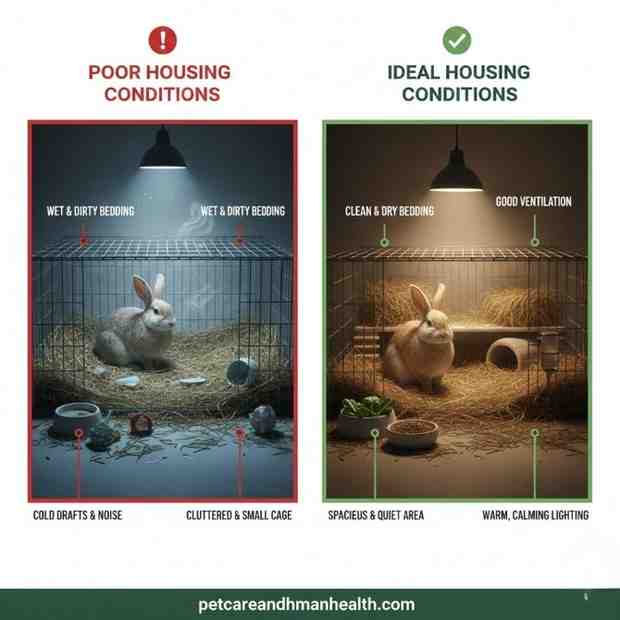
Bad housing increases risk.
Environmental Mistakes
- Cold or wet cages
- Poor ventilation
- Dirty nesting area
- Bright lights at night
A comfortable environment reduces the chance of why rabbits eat their babies.
10. Baby-Related Causes
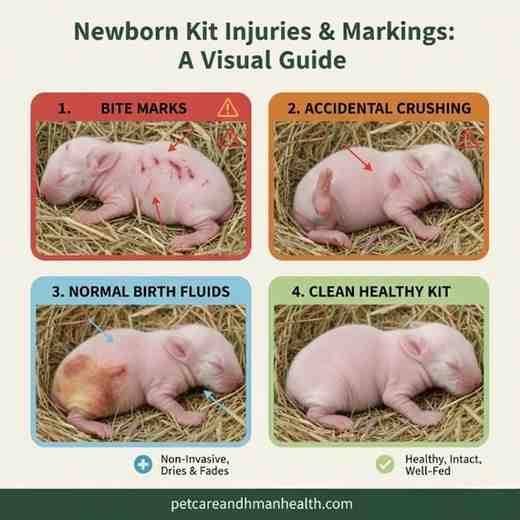
Sometimes the baby itself triggers the behavior.
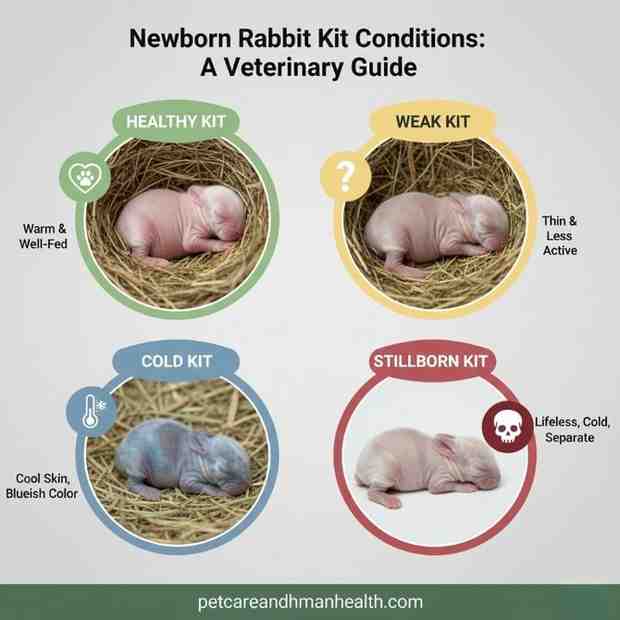
Kit Problems
- Stillborn babies
- Weak or deformed babies
- Cold babies
- Infected babies
The mother removes unhealthy kits naturally. This is survival behavior, not cruelty.
11. Human Handling Errors
Too much interference causes stress.
Common Mistakes
- Touching babies too often
- Moving nests repeatedly
- Allowing children to disturb the cage
- Poor cleaning hygiene
This increases the risk of why rabbits eat their babies.
12. Differentiating Cannibalism from Accident
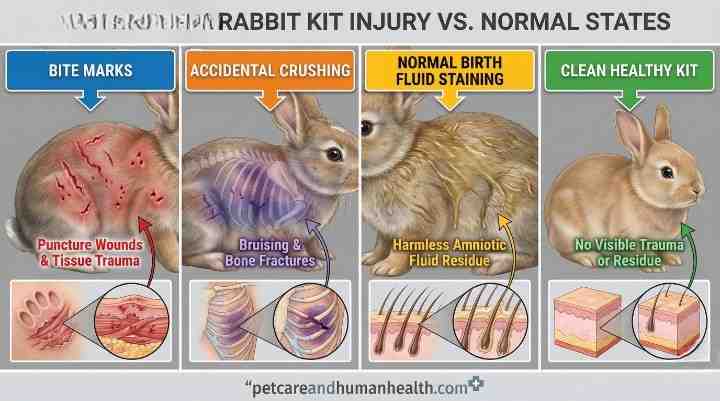
Not every injury is cannibalism.
Injury Comparison
| Situation | What It Looks Like | Meaning |
|---|---|---|
| Small scratch | Minor bleeding | Accidental |
| Crushed body | Flat chest | Trampling |
| Missing body part | Chewed | Cannibalism |
| Blood near nest | Birth fluids | Normal |
13. What To Do Immediately If It Happens
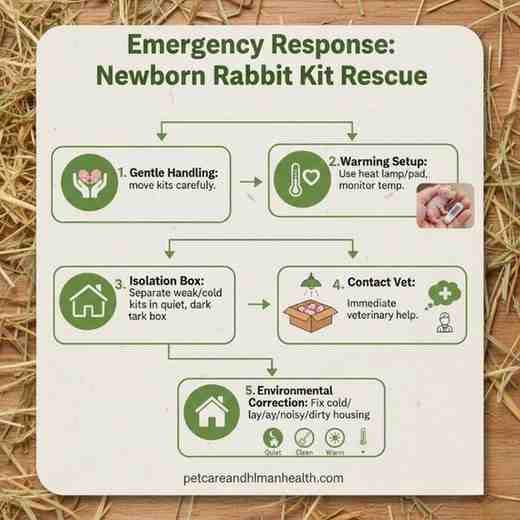
If you notice signs related to mother rabbit eating babies:
- Remove surviving babies gently
- Keep them warm
- Check the mother’s health
- Reduce noise and disturbance
- Contact a veterinarian
| Step | Actions | Notes |
|---|---|---|
| 1. Confirm rejection | Check kits for round bellies, warm pink skin, sleeping calmly. Weigh daily (gain ~30g/day | Normal if full; intervene only if wrinkled, cold, crying, losing weight |
| 2. Reduce stress | Quiet area, no pets/noise; remove buck; good nutrition/water. | Peak nursing: dawn/dusk; does avoid nest to deter predators. |
| 3. Encourage feeding | Place nest box on table; put doe inside with kits 10–15 min. Or hold doe on lap/blanket, place kits under. | Flip doe gently (with help) to expose nipples if needed; offer treats. |
| 4. Force if needed | Hold doe on back (friend restrains legs); place 1 kit per nipple to latch. | Check nipples for milk; persist gently. |
| 5. Foster kits | To another doe with similar-age litter (first week only); mix scents with fur. | Success drops after 1 week due to scent recognition |
| 6. Hand-rear | Feed diluted(adv.by vet) milk via syringe every 2–3 hrs (1–2ml newborn); stimulate elimination; warm 35°C.youtube+2 | Vet check for doe mastitis; high effort, low survival. |
| 7. Prevent future | Breed experienced does >5 months; cull repeat offenders. | Monitor first litters closely |
14. Long-Term Prevention Methods
Key Prevention Steps
- Provide quiet cage area with soft bedding
- Balanced nutrition
- Fresh water always
- Proper nesting box
- Avoid frequent handling
- Health check before breeding
15. Breeding Management Tips
Good breeding practices reduce problems linked to rabbit eating newborn kits.
- Avoid breeding weak rabbits
- Allow proper gap between pregnancies
- Maintain clean cages
- Keep records of behavior
16. Veterinary Role in Prevention

Veterinarians help by:
- Checking nutrition plans
- Treating infections
- Advising housing improvement
- Monitoring breeding health
Regular checkups prevent recurrence of why rabbits eat their babies.
17. Myths About Rabbit Cannibalism
Myth 1: Touching babies makes mother kill them
Truth: Light handling is safe if done calmly.
Myth 2: Rabbits are cruel
Truth: Behavior is survival-based.
Myth 3: All rabbits will do this
Truth: Most mothers never harm babies.
18. Simple Checklist
Daily Care Checklist
- Clean water available
- Fresh hay provided
- Quiet environment
- Nest intact
- Mother eating well
19. Real-Life Example
A farmer noticed baby rabbits missing. Investigation showed loud construction noise near the shed. After relocating the cage and improving feed, the problem stopped. This shows how environment explains why rabbits eat their babies.
If Mother Rabbit Is Not Allowing Kits to Come Near To her
Sometimes, mother rabbits refuse to let their kits approach them. In such cases, try this simple trick: pick up the kits and take them away from her where she cannot hear. Mix the mother rabbit’s urine and feces from near her cage, then gently apply it to the kits’ bodies to transfer her scent. After some time, return the kits to the nest. The mother rabbit will likely accept them and no longer reject her kits. This scent-transfer method has successfully resolved many such cases in veterinary clinics.
21. Conclusion
The question why rabbits eat their babies has many answers. It usually happens due to stress, hunger, illness, poor environment, or weak babies. This behavior is not cruelty but survival instinct. With good care, nutrition, hygiene, and veterinary guidance, most cases can be prevented.
Knowledge is the strongest tool to protect animals.
for more information on rabbit breeds read the article here.
Frequently Asked Questions (FAQs)
Is it normal for rabbits to eat placentas?
Yes, does eat placentas post-birth to clean the nest, reduce scent attracting predators, and recover nutrients—sometimes accidentally harming live kits
Why do first-time mothers eat litters?
Inexperienced does panic during birth/nursing, confusing kits for placentas or reacting defensively due to underdeveloped maternal instincts.
Do male rabbits eat babies?
Bucks may kill/eat kits if housed together post-birth, driven by territorial instincts to rebreed the doe sooner
How to tell if kits are at risk?
Watch for disturbances, overcrowding, or doe aggression; dead/malformed kits often trigger consumption to maintain nest hygiene.
How to prevent does from eating kits?
Minimize stress (quiet areas, no handling), provide high-protein feed/water, separate bucks, and use experienced does over 5–6 months old.
