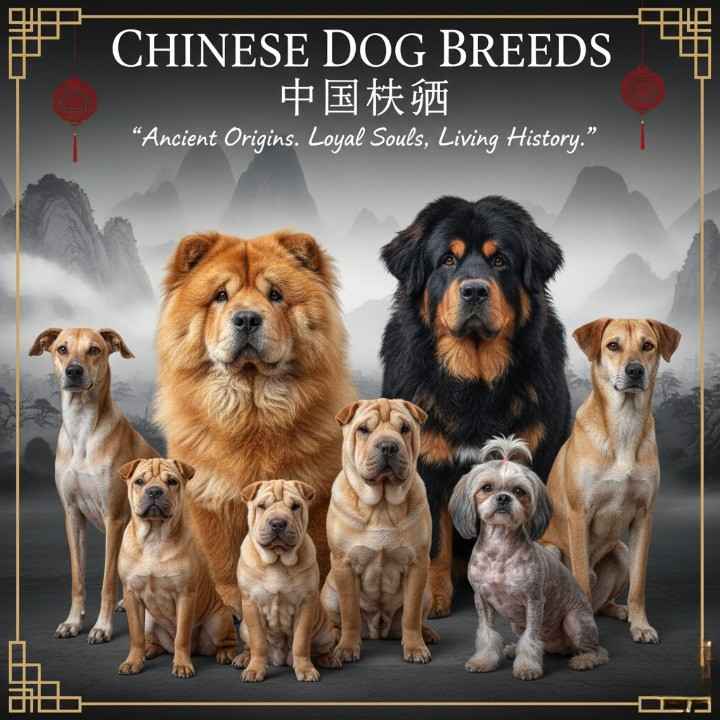
Chinese dog breeds are among the oldest and most genetically unique dogs in the world, and many retain strong instincts shaped by centuries of selective breeding. However, in my clinical experience, most problems arise not from the breed itself, but from misunderstanding their needs.
This article offers evidence-based, experience-driven, and practical guidance on Chinese dog breeds, clearly divided into small, medium, large, and rare breeds, to help pet owners make informed, responsible decisions.
Table of Contents
What Are Chinese Dog Breeds?

Chinese dog breeds are dogs that originated in mainland China, Tibet, and surrounding regions. They were bred for:
- Imperial companionship
- Property and livestock guarding
- Hunting and rural utility
From a veterinary genetics perspective, many Chinese breeds are considered ancient or basal breeds, meaning they retain traits closer to early domesticated dogs.
Historical Roots: Dogs in Ancient China
Archaeological and genetic studies confirm that dogs have lived alongside humans in China for thousands of years. In veterinary anthropology, Chinese breeds are considered basal or ancient types, meaning they retain traits closer to early domesticated dogs.
Historically, dogs in China served three major purposes:
- Imperial companionship (royal palaces)
- Protection and guarding (villages, monasteries, livestock)
- Hunting and utility (rural regions)
This history strongly influences their temperament today.
Small / Toy Chinese Dog Breeds
Small toy Chinese dog breeds are super cute little pets from ancient China, like Lhasa Apso, Pekingese, Shih Tzu, Chinese Crested, Tibetan Spaniel, and Pug.
As a veterinarian, I see these flat-faced pups often struggle with breathing, crowded teeth, and knee problems, so brush them daily, clean skin folds, and give gentle play to keep my patients happy and healthy.
These were mainly bred for companionship, especially in royal and temple settings.
1.Lhasa Apso (Tibetan–Chinese origin; culturally linked to China)
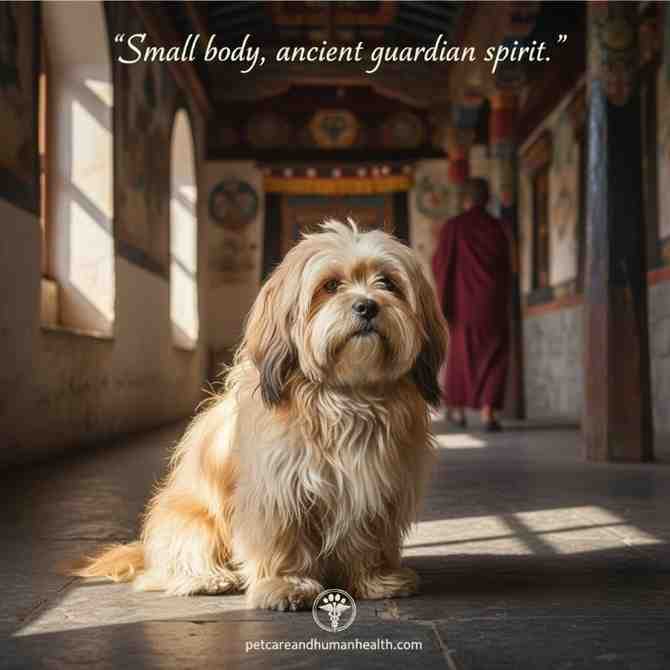
The Lhasa Apso, among ancient Chinese dog breeds with Tibetan–Chinese origins, served as sacred monastery guardians. The Lhasa Apso is alert, confident, and long-lived. Despite its size, it retains guarding awareness and bonds strongly with family, thriving in calm, structured homes.
| Breed Traits | Details |
|---|---|
| Origin | Tibet; historically an interior watchdog in palaces and monasteries. |
| Name meaning | “Lhasa” (capital of Tibet) + “apso,” likely from words meaning goatee or “bark-guard.” |
| Height | About 25 cm (9.8 in) at the withers; females slightly smaller. |
| Coat | Thick, heavy, hard straight outer coat with medium undercoat; many colors including black, red, gold, honey, slate, white, and parti-colour |
| Features | Dark eyes, black nose, pendant ears, tail curved and carried over the back. |
| Life expectancy | About 14 years on average; many reported to live into their early 20s. |
| Health issues | Predisposed to atopic dermatitis. |
| Kennel group | Non-Sporting Group (AKC); Utility Group (UK); FCI-recognized since 1960. |
| Intelligence | Ranked 68th for working/obedience intelligence in The Intelligence of Dogs. |
2.Pekingese

The Pekingese is a classic Chinese dog breed once reserved for imperial nobility. Small but confident, it is deeply devoted to its owners, prefers calm environments, and requires careful grooming and protection from heat.
| Characteristics | Brief details |
|---|---|
| Origin | Historically restricted to Chinese Imperial Palace nobility. |
| Historical role | Favored companion of royalty in the Chinese Imperial court; named after Peking (now Beijing).] |
| Size | Typical weight 7–14 lb (3.2–6.4 kg) and height about 6–9 inches (15–23 cm). |
| Body type | Compact, low to the ground, slightly longer than tall, with a muscular and durable body. |
| Head and face | Flat (brachycephalic) face with large prominent eyes; black nose, lips, and eye rims. |
| Gait | Characteristic “rolling” gait, thought to have been selected to limit wandering in palace dogs. |
| Coat type | Long, double coat; modern show preference for long-haired type over traditional spaniel-type coat |
| Coat colors | Wide range: gold, red, sable, cream, black, white, tan, black-and-tan, and occasional blue/slate grey; albinos should not be bred. |
| Grooming needs | High-maintenance coat requiring daily brushing and regular professional grooming; facial folds and rear coat need frequent cleaning. |
| Exercise needs | Low to moderate; usually tolerate only short walks (often <30 minutes/day) due to brachycephalic airway limitations. |
| Climate tolerance | Poor heat tolerance; prone to heatstroke, especially in hot climates or with exertion. |
| Lifespan | UK 2024 study reported average life expectancy of about 13.3 years, slightly above purebred average. |
| Major health issues | Risks include brachycephalic airway disease, eye problems, skin allergies, and dry eye (KCS), plus progressive retinal atrophy. |
| Breed standard changes | UK Kennel Club altered standard in 2008 to require a visible muzzle to reduce extreme flat-faced conformation. |
| Special variety | “Sleeve Pekingese” refers historically to true miniatures (about ≤6–7 lb), said to be carried in robe sleeves of Chinese nobles. |
| Role in crossbreeds | Used in development of designer crosses such as Peekapoo (Pekingese × Poodle) and Peke-a-tese (Pekingese × Maltese). |
| Popularity trend | Popular in early 20th century; modern popularity has declined in some regions, though individuals like “Wasabi” have won major shows. |
| Origin myths | Linked with legends such as “The Lion and the Marmoset” and “The Butterfly Lions,” portraying the breed as lionlike yet delicate. |
3.Shih Tzu

Shih Tzu exemplifies dog breeds from China, cherished as “lion dogs” in ancient courts. Friendly and adaptable, it suits family life but requires consistent grooming to prevent matting and eye irritation.
| Aspect | Details |
|---|---|
| Origin | Tibet/China, linked to Tibetan monasteries and Chinese royalty. |
| Ancestry | Developed from crossing Pekingese and Lhasa Apso, though DNA suggests the breed itself is very old. |
| Nicknames | “Lion dog,” “Chrysanthemum dog” due to the radiating facial hair. |
| Size | Toy breed; about 8–11 in (20–28 cm) tall and 9–16 lb (4–7 kg) in weight. |
| Build & features | Sturdy, short‑muzzled, large dark eyes, floppy ears, underbite, tail curled over the back. |
| Coat | Long, silky double coat in many colors; mats easily and needs frequent grooming. |
| Lifespan | Typically around 10–18 years. |
| Typical role | Affectionate indoor companion; originally a favored lapdog of nobles and palace households |
4.Chinese Crested Dog (Hairless & Powderpuff)

The Chinese Crested Dog comes in hairless and powderpuff varieties from ancient Chinese dog breeds. Lively and affectionate, hairless dogs need skin care and sun protection, while powderpuffs require regular brushing.
| Features | Details |
|---|---|
| Varieties | Two types in one breed: hairless (skin with crest, socks, plume) and powderpuff (full long, soft double coat). |
| Size | Extra‑small; about 11–13 in (27–33 cm) tall and 10–13 lb (4.5–5.9 kg). |
| Build & features | Fine‑boned, almond eyes, large erect ears; distinctive hare‑foot with elongated toes. |
| Coat/skin | Hairless has human‑like skin with variable hair; powderpuff has long, silky double coat; no fixed color standard. |
| Grooming needs | Frequent brushing, weekly bath, often trimmed to “pony cut.” Hairless: regular skin care to prevent dryness, acne, and sunburn. |
| Lifespan | Average life expectancy about 13.4 years in a 2024 UK study. |
| Key health issues | Dental defects in hairless type, PLL, PRA, dry eye, CMSD/PNA, and patellar luxation. |
| Genetics | Hairless dogs are heterozygous for a dominant hairless mutation that is lethal when homozygous; powderpuffs are homozygous recessive. |
| Likely origin | Despite the name, modern breed probably originates from Africa or Mexico, sharing a mutation with Xoloitzcuintli. |
| Recognition | Recognised by FCI (1987) and AKC (1991); foundation American lines from Crest Haven and Gypsy Rose Lee’s dogs. |
5.Tibetan Spaniel

Tibetan Spaniel connects to dog breeds from China through Tibetan–Chinese cultural ties as vigilant companions. It prefers close family bonds, moderate exercise, and mental engagement over constant attention.
| Attribute | Details |
|---|---|
| Origin & role | Small companion/watchdog breed from Tibet; traditionally monastery and palace “little lion” sentinel. |
| Size | About 10 in (25 cm) at shoulder; typical weight 9–15 lb (4.1–6.8 kg). |
| Appearance | Domed head, short blunt muzzle, black nose, oval eyes, feathered drop ears, plumed tail carried over back, silky double coat. |
| Coat & colors | Medium-length, flat, silky double coat with feathering; comes in many colors (red, gold, fawn, cream, white, black and tan, parti, etc.). |
| Temperament | Devoted, assertive, independent, and alert; very attached to family, aloof with strangers, strong watchdog instincts, can be stubborn. |
| Exercise & living | Suited to indoor family life; needs regular companionship and moderate daily exercise plus early socialization. |
| Health & lifespan | Average life expectancy ~15.2 years; issues include progressive retinal atrophy, occasional portosystemic shunt, allergies, cherry eye, and weeping eyes. |
| Breed status | Recognized as Non-Sporting (AKC) and FCI Group 9 (Companion and Toy Dogs, Tibetan breeds section) since the 1980s. |
6.Pug
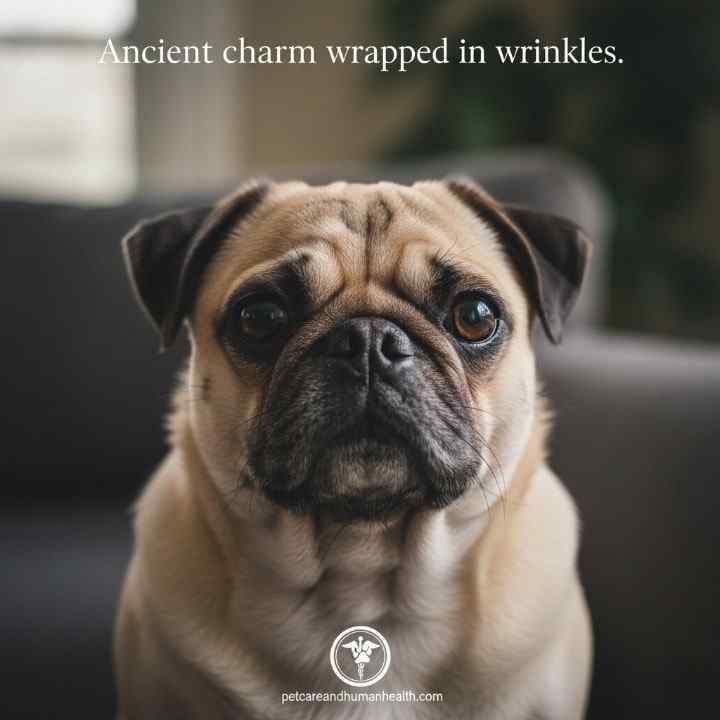
These Chinese native dog breeds display wrinkled faces, curled tails, and mischievous joy, capturing the playful essence of traditional Chinese breeds.
In my clinical practice treating brachycephalic dogs in North India, Pugs and Pekingese commonly present with early airway distress by 4–5 years of age, especially during summer months.
| Qualities | Details |
|---|---|
| Origin | China (short-muzzled “Lo-sze” type); brought to Europe 16th century via Dutch traders; favored by royalty (House of Orange, Queen Victoria). |
| Size | 10–13 in (26–33 cm) tall; 14–18 lb (6–8 kg); compact square body, muscular. |
| Appearance | Short glossy coat (fawn/apricot/silver fawn/black); wrinkled flat face, curled tail, button/rose ears, prominent eyes, underbite. |
| Temperament | Sociable, playful, affectionate (“shadow” dogs); intuitive, eager to please, good family pet; minimal exercise needs. |
| Health issues | Brachycephalic (breathing, eye injuries, overheating); obesity, hip dysplasia, NME/PDE, short lifespan (~8–12 years). |
| Grooming/care | Weekly brushing for shedding; monitor weight/dental; prone to brachy-related anesthesia risks. |
Medium-Sized Chinese Dog Breeds
Medium-sized Chinese dog breeds include rugged workers like Taiwan Dog, Chow Chow, Shar Pei, Chongqing Dog, and Xiasi Dog from ancient Chinese lines.
As a veterinarian, these active breeds often face hip issues, skin allergies, and coat matting, so I recommend joint supplements, regular baths, and dental checks to keep them strong and comfortable.
Traditionally used for guarding homes, farms, or assisting hunters.
7.Taiwan Dog – Formosan Mountain Dog (closely related Chinese landrace, sometimes debated)

Taiwan Dog, also known as Formosan Mountain Dog, represents an ancient Chinese dog breed landrace from Taiwan with deep ties to Chinese native dog breeds.
| Aspect | Details |
|---|---|
| Origin | Indigenous to Taiwan; descended from ancient South Asian hunting/pariah dogs; adapted to forested mountains. |
| Types & size | Medium type most common: 48–52 cm (19–20 in) tall at shoulder, 14–18 kg (31–40 lb); also two smaller types (~30–40 cm) |
| Appearance | Almond eyes, triangular face, prick ears, sickle tail, short hard coat (1.5–3 cm); colors: black, brindle, fawn, white, combos. |
| Distinct traits | Black tongue coating, hare‑like feet, agile hopping gait, strong bite/release hunting style. |
| Temperament | Loyal, intelligent, high‑energy, wary of strangers; bonds strongly with one person; good guard/hunter/rescue dog. |
| Health & lifespan | Long-lived with less genetic issues due to wild origins |
| History threats | Near‑extinction from crossbreeding (Dutch, Japanese, WWII military dogs) and dog‑eating culture; now conserved. |
| Modern uses | Hunting, guard dog (even tested by Taiwan Air Force), companion; recognized by FCI and Taiwan kennel clubs. |
8.Chow Chow
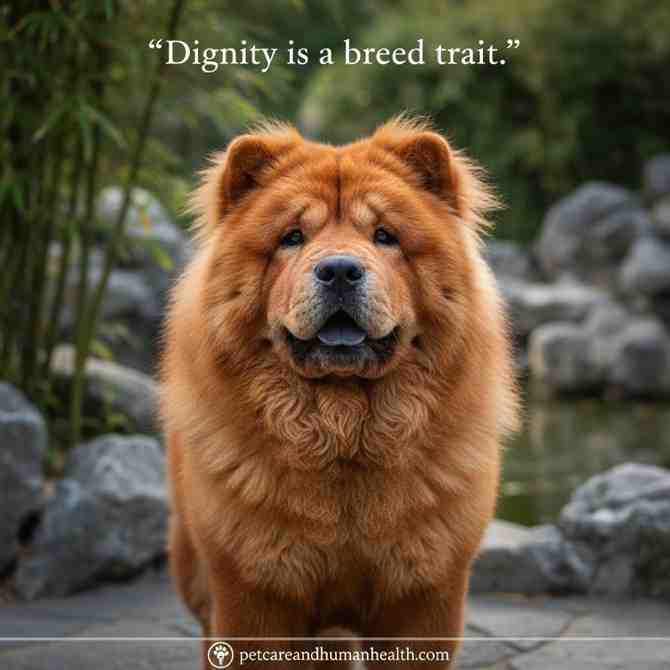
An ancient Chinese dog breed recognized by its lion-like mane and blue-black tongue. Chow Chows are loyal, reserved, and independent, forming deep bonds with family but remaining aloof with strangers.
| Features | Details |
|---|---|
| Origin | One of the oldest breeds; from China’s Han Dynasty (206 BCE–220 CE); historically used for guarding, hunting, cart-pulling. |
| Size | 17–20 inches tall at shoulder; 45–70 pounds; thick double coat, curled tail, flat face, droopy eyes. |
| Temperament | Loyal, aloof with strangers, independent, strong-willed; prefers one favorite person; good with older kids if socialized. |
| Exercise | Low-moderate: 2x 20-min walks daily; prone to overheating due to short snout and thick coat. |
| Grooming | High: brush every other day to control heavy shedding (worse seasonally); regular baths, eye/ear checks. |
| Health issues | Hip/elbow dysplasia, patellar luxation, hypothyroidism, diabetes, eye problems (cataracts, entropion, glaucoma), stomach cancer, GDV/bloat; lifespan 8–12 years. |
| Training | Intelligent but stubborn; use short, positive reinforcement sessions; early socialization essential |
| Diet & feeding | Multiple small meals daily to prevent bloat; monitor for obesity; AAFCO-compliant food. |
9.Shar Pei

Famous for its deep skin folds, the Shar Pei is a calm and dignified among Chinese dog breeds historically used for guarding and hunting. Proper skin care and early socialization are essential.
| Aspect | Very brief, reader-focused details |
|---|---|
| Origin | Ancient Chinese breed; historically used as fighting dog, hunter, guard; medium size with unique wrinkled skin. |
| Size | 18–20 inches (46–51 cm) tall at shoulder; 35–64 lb (16–29 kg); males larger and more powerful. |
| Appearance | Large head with moderate wrinkles, small triangular ears, deep-set dark eyes, short harsh off-standing coat (no undercoat), high-set tail. |
| Coat & colors | Short to 1-inch harsh coat; all solid colors except white (e.g., black, cream, red, fawn, blue). |
| Temperament | Loyal, calm, dignified, aloof with strangers; independent, protective; needs experienced owners and early socialization. |
| Exercise | Moderate: up to 1 hour daily walks; active but not high-energy. |
| Grooming | Weekly brushing; clean skin folds to prevent infections; minimal shedding. |
| Health issues | Skin fold infections, eye problems (entropion), Shar-Pei fever (hereditary, leads to amyloidosis), hip dysplasia; lifespan ~9–12 years. |
10.Chongqing Dog (Chinese Bulldog / Eastern Sichuan Dog)
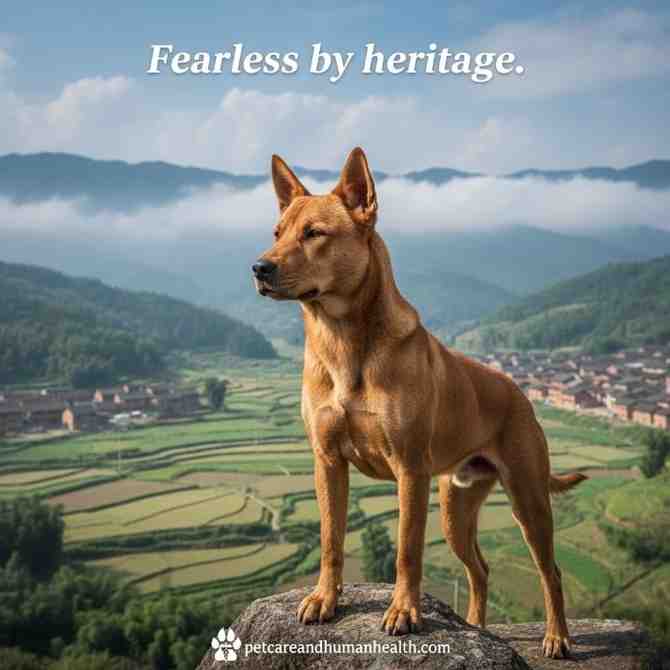
Chongqing Dog, a rare ancient Chinese dog breed, embodies traditional Chinese breeds with its muscular build, reddish coat, and fearless guardian spirit. Among Chinese native dog breeds, this agile hunter excels in loyalty, prey drive, and family protection.
| Aspect | Key Points |
|---|---|
| Origin | Ancient Chinese native breed (Han Dynasty origins); developed in eastern Sichuan/Chongqing mountains for hunting/guarding |
| Size & build | Medium-sized, compact muscular body; short upright tail (“bamboo stick”), square head, prominent stop, naturally pricked ears. |
| Coat | Short, coarse; reddish-brown or black; blue-black tongue. |
| Temperament | Outgoing, confident, strong prey drive, adventurous; loves children, alert family guard dog; hunts alone or in packs. |
| Hunting skills | Excellent scenting; hunts rabbits, badgers, foxes, boar, goats, deer, small bears. |
| Lifespan | Up to 15 years. |
| History & status | Near-decline from urbanization; restoration efforts since 1970s; now popular companion/utility dog |
11.Xiasi Dog
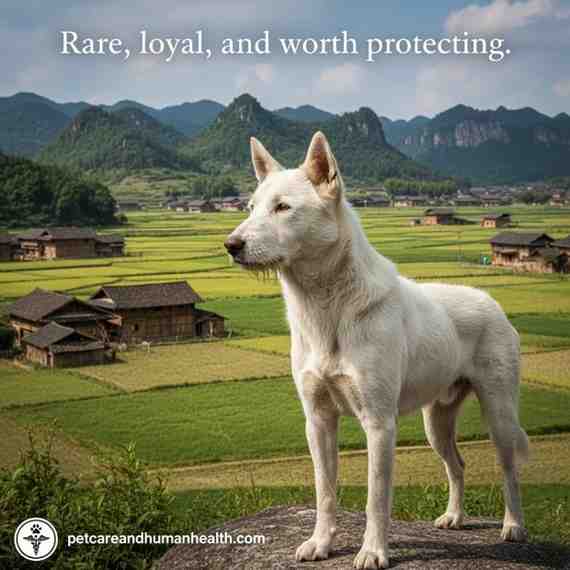
This Chinese native dog breed features a wiry white coat, muscular agility, and loyal guardian instincts, blending dog breeds from China heritage with affectionate family devotion.
| Characteristics | Key Notes |
|---|---|
| Origin | Bred for thousands of years by Miao people in Guizhou Province, China; named after Xiasi village; historically boar hunter. |
| Size & build | Medium: males 46–50 cm (18–20 in) tall, 16–20 kg (35–44 lb); females slightly smaller; compact, agile for speed/endurance. |
| Appearance | White/cream wiry coat (short/medium/long); sizeable head, prick ears, pale pink nose, square mouth, deep chest, upright tail. |
| Temperament | Loyal, obedient, friendly with strangers; excellent hunter with explosive power. |
| Status | Critically endangered (~270 purebreds left); low genetic diversity (related to Tibetan Mastiff); conservation efforts since 1999. |
| History | Folklore ties to Qianlong Emperor; accepted in Chinese dog shows today |
Large & Giant Chinese Dog Breeds
Large and giant dog breeds from china feature powerful protectors like Tibetan Mastiff, Kunming Wolfdog, and Chinese Rural Guard Dog from ancient guardian lineages.
As a veterinarian, these massive breeds risk bloat, joint dysplasia, and heart strain, so I advise portion-controlled feeding, low-impact exercise, and annual heart screens to ensure long, healthy lives.
Bred primarily for protection, livestock guarding, and working roles.
12.Tibetan Mastiff
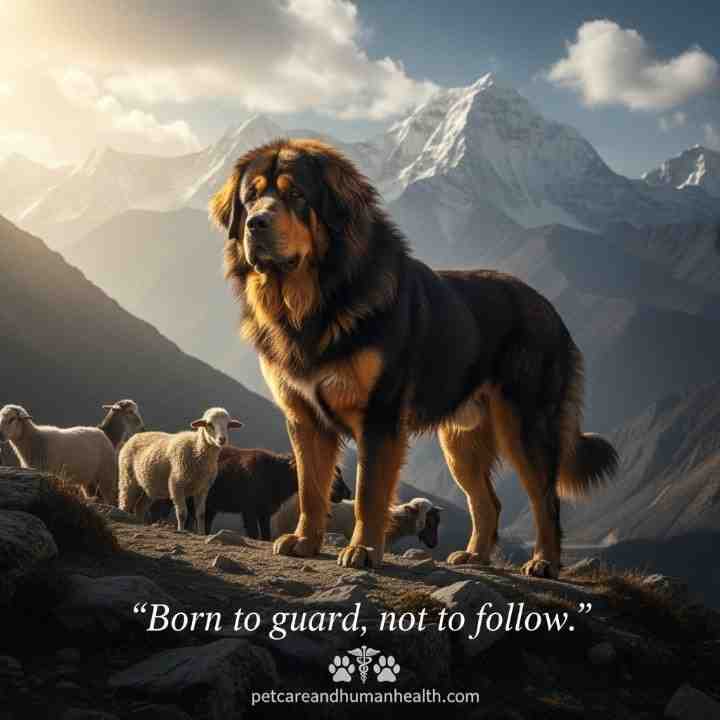
An ancient livestock guardian, the Tibetan Mastiff is massive, independent, and territorial. Best for experienced owners with ample space; early socialization and joint monitoring are essential.Among traditional Chinese dog breeds, its massive size, thick mane, and protective instincts.
| Aspect | Detail |
|---|---|
| Origin | Tibetan/Himalayan livestock guardian; protects monasteries from predators like wolves, bears; single annual estrus like wolves. |
| Size | Massive: males 40–70 kg (90–150 lb), females 30–55 kg (70–120 lb); long double coat in black, black/tan, reds, bluish-gray, white markings. |
| Appearance | Thick weatherproof coat (Lion Head or Tiger Head varieties); mane-like ruff in males; sheds heavily twice yearly. |
| Temperament | Independent, aloof with strangers, nocturnal sentry; intelligent but stubborn; needs experienced owners and socialization. |
| Exercise & living | Needs spacious fenced yard; not for apartments; moderate activity, sleeps daytime, alerts at night. |
| Health & lifespan | Prone to hip/elbow dysplasia, hypothyroidism, eye issues (entropion), CIDN; lifespan 10–16 years (varies by line). |
| History | Used for centuries in Tibet; gained Western popularity post-1980s; overbreeding concerns recently. |
13.Kunming Wolfdog (Chinese Wolfdog)
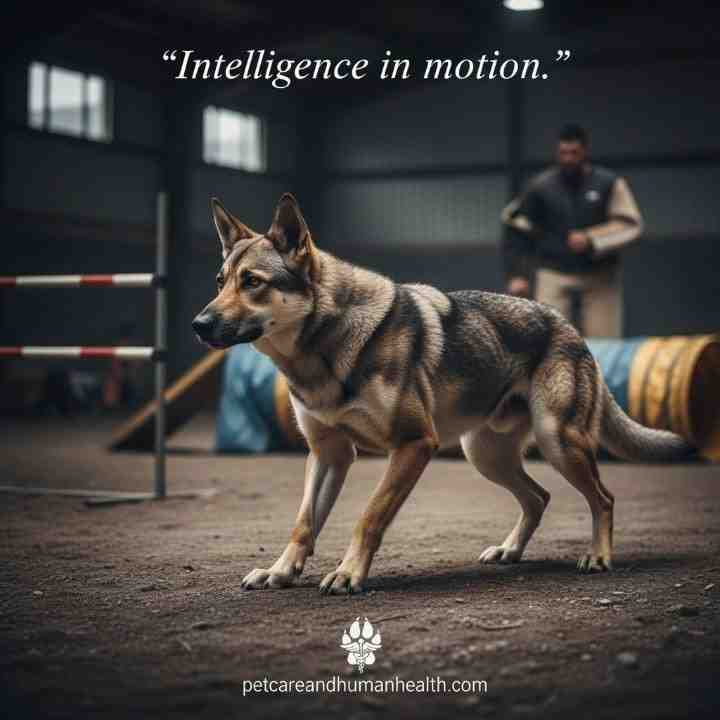
Kunming Wolfdog, a modern rare Chinese dog breed, blends wolf-like athleticism with working intelligence. Developed for military and police work, this athletic breed is intelligent and trainable. It needs rigorous physical activity and mental challenges to remain balanced.
| Feature | Description |
|---|---|
| Origin | Bred 1950s in Kunming, China; wolf-German Shepherd cross with local landraces. |
| Size | Large; males 25-28 in tall, 66-88 lbs; athletic build. |
| Coat | Short, dense double coat; tan/black, wolf-gray; sheds seasonally. |
| Temperament | Intelligent, loyal, trainable; high prey drive, protective. |
| Special Traits | Exceptional scent tracking, endurance; used in police/military; agile swimmer. |
| Health | Robust; prone to hip dysplasia; lifespan 12-15 years |
14.Chinese Rural Guard Dog
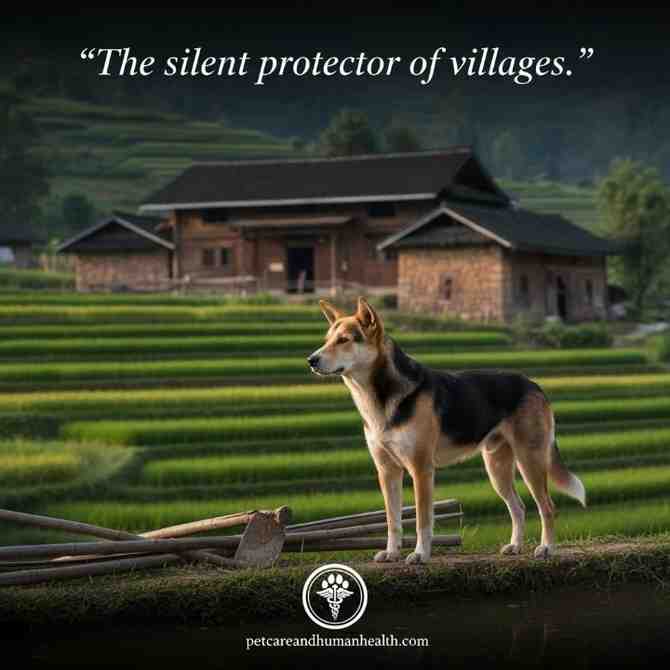
These Chinese native dog breeds deliver unwavering vigilance and endurance, preserving ancient Chinese dog breeds traits as dependable protectors of rural Chinese communities.
| Aspect | Details |
|---|---|
| Origin | Neolithic China (e.g., Henan, Zhejiang sites); evolved in agricultural villages across regions. |
| Size | Medium to large; varies by locale (northern “Big Yellow,” southern “Four-Eyed”). |
| Role | Livestock/property guardians, adaptable workers; symbiotic with farmers. |
| Traits | Hardy, climate-adaptable (cold north, humid south); loyal, vigilant, low-maintenance. |
| Appearance | Regional variations; short/medium coats, robust builds reflecting local adaptations. |
| Status | Landraces (not standardized breeds); part of China’s native gene pool, often under “Tugou” umbrella. |
Rare,Indigenous & Landrace Chinese Dogs
These dogs are genetically Chinese but often lack international standardization. Despite resilience, routine vaccinations, parasite control, and balanced nutrition remain essential.
As a veterinarian, these hardy types still face parasites, malnutrition risks, and genetic issues from isolation, so vaccinations, deworming, and balanced rural diets keep them thriving naturally.
15. Tugou – Chinese Village Dog (Landrace dog population)

A landrace population found across rural China, Tugou dogs are adaptable and disease-resistant. Appearance varies, but alertness and survival instincts are consistent.
| Feature | Description |
|---|---|
| Origin | Ancient China; evolved over millennia as village landraces across regions. |
| Size | Medium (39-73 cm tall, 25-32 kg); sturdy, athletic build varies locally. |
| Coat | Short to medium; colors include brown, white, black; straight or wiry. |
| Traits | Prick ears, almond eyes, sickle tail; keen hunters, independent, adaptable. |
| Role | Guardians, hunters; hardy, low-maintenance |
| Temperament | Intelligent, alert, loyal to family; wary of strangers |
16.Guangxi Dog

Guangxi Dog shines as a rare indigenous Chinese native dog breed from southern regions. A southern hunting and guarding dog used for centuries, the Guangxi Dog is brave and robust, well adapted to rural environments and long daily activity.
| Features | Special Points |
|---|---|
| Origin | Native to Guangxi, southern China; used 2,000+ years for wild boar hunting, property guarding; often free-roaming. |
| Size | 18–22 in tall; 30–50 lb; powerfully built with straight back, tucked abdomen, long legs. |
| Appearance | Thick short coat (yellow, gray, black, white, cream, silver); wrinkly face, small eyes, erect ears. |
| Temperament | Brave, loyal, independent/stubborn; excellent guard dog and companion. |
| Care | High-quality diet (portion control); weekly brushing/ear/nail/dental care; daily long walks/hikes. |
| Training | Firm, gentle leadership; early socialization for obedience and confidence. |
| Lifespan | 10–12 years. |
17.Fu Quan

An extremely rare ancient breed linked to folklore and symbolism, Fu Quan dogs were historically guardians and cultural icons. Today, they are near extinction.
| Aspect | Details |
|---|---|
| Origin | Ancient Chinese breed (>3,000 years); possible Chow Chow × wolf mix; used as shepherd, hunter, guard, sled dog. |
| Cultural role | Temple mascot, symbol of luck/prosperity; featured in art, New Year prints, sacrifices (Zhouli/Liji); Tang dynasty national symbol. |
| Appearance | Spitz Tugou: compact square body, broad head, pricked ears, deep chest, curly tail; thick rough coat (silver, blue, black, brown, red). |
| Temperament/uses | Versatile working dog; now companion; loyal, brings “good fortune” in folklore. |
| Status | Critically endangered/protected in China; <15 pure individuals worldwide. |
18.Langqing Quan

A large, wolf-like guardian from northern China, Langqing Quan is powerful and alert. Firm training and controlled environments are required due to strong protective instincts.
| Aspect | Details |
|---|---|
| Origin | Northern China; Tugou × local wolf hybridization; complex history with “old” (pure) and “new” (crossed with GSD, etc.) types. |
| Size | Large: males 75–85 cm (up to 95 cm in Hebei “giant” type); females 70–75 cm; muscular wolf-like build. |
| Appearance | Grayish-blue (“langqing”) coat tones (iron blue, green white, etc.); yellowish/dark brown eyes. |
| Temperament | Fierce, agile, highly aggressive/protective; keen smell/sensitivity; easy to tame but wary of strangers. |
| Uses | Guarding, hunting, fighting, patrolling; suitable for farms/warehouses/villas; resilient/not picky eater. |
| Rumors | Sometimes called “Japanese” due to WWII-era confusion with imported “Qingdao GSDs” (possibly Langqing mixes) |
19.Shaanxi Xi Dog
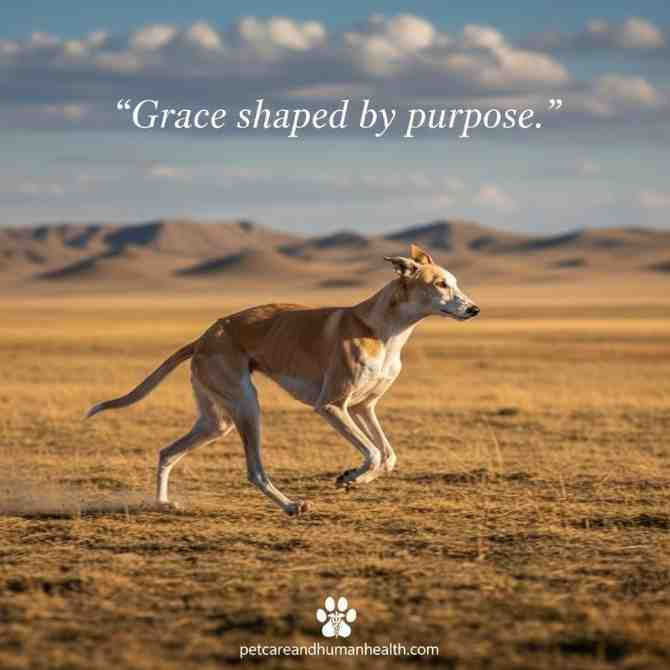
Shaanxi Xi Dog serves as a fierce rare Chinese dog breed from northwestern lands. An ancient imperial hunting dog, the Shaanxi Xi Dog is slender, energetic, and intelligent. It needs regular exercise and experienced handling.
| Aspect | Details |
|---|---|
| Origin | Ancient China (Qin Dynasty, 2,500+ years); named after god Zhang Xian; used by emperors for hunting prey. |
| Size | Large: 26–31 in tall; 44–66 lb; slender muscular build. |
| Appearance | Short smooth silky coat (white, black, blue, silver, red, brindle); long narrow head, sheep-like nose bridge, hanging ears, curved tail. |
| Temperament | Noble, independent, aloof with strangers; devoted to family; excellent guard/hunter. |
| Exercise | High energy: daily long walks, fenced running, dog sports like agility. |
| Care | Portion-controlled diet; minimal grooming (weekly brush, ear/nail/dental care); lifespan 10–14 years. |
| Status | Rare; population restoration by China Kennel Union. |
20. Liangshan Dog
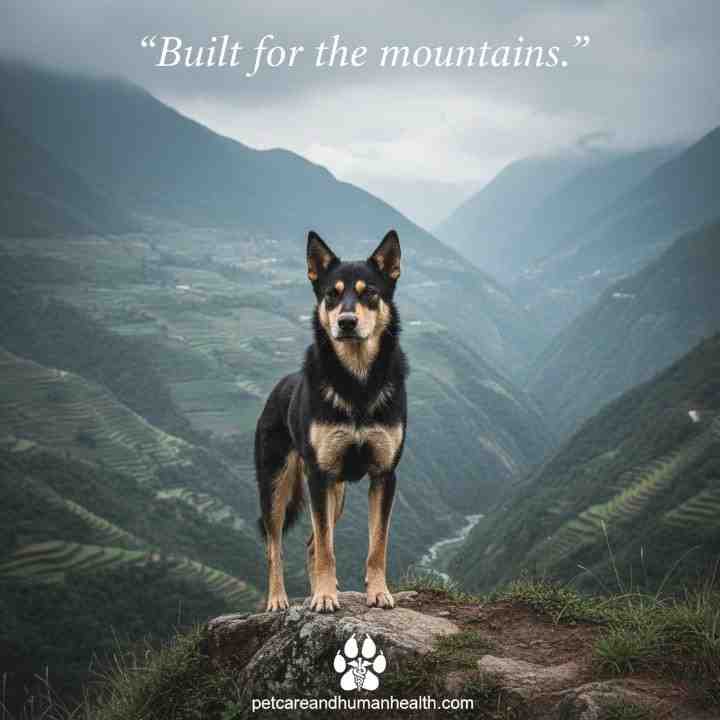
Liangshan Dog, a Yunnan indigenous type, highlights rare Chinese dog breeds endurance. Developed by the Yi people of Sichuan for mountain hunting, this resilient scenthound excels in endurance and tracking across harsh terrain.
| Aspect | Details |
|---|---|
| Origin | Bred by Yi people in Liangshan Yi Prefecture, Sichuan; specialized for boar hunting in mountains. |
| Size & type | Body medium-sized scenthound; semi-feral; often underfed to boost hunting drive/endurance. |
| Appearance | Triangular eyes, rounded drop ears, short double coat, bushy curved tail; black head, body reds/yellows/greys (banded hairs). |
| Traits | Excellent tracking, ferocity, endurance across altitudes/climates; hunts varied prey. |
21.Mojee
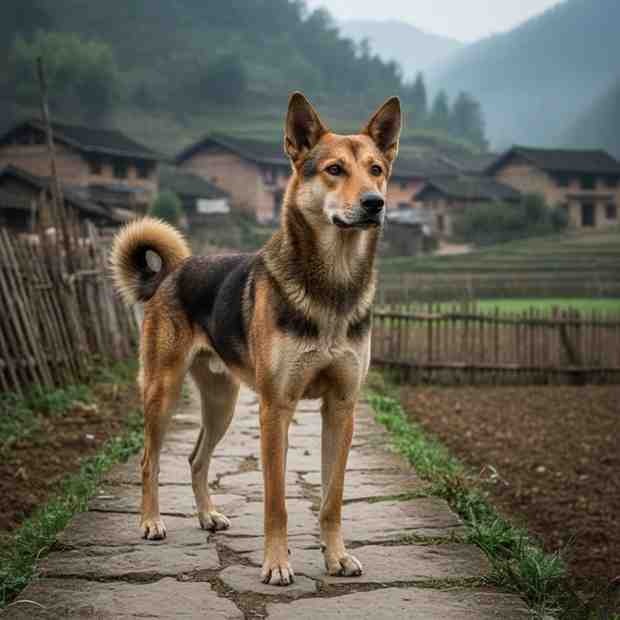
Mojee, the Manchurian indigenous dog, represents traditional Chinese dog breeds from northern frontiers.
| Characteristics | Details |
|---|---|
| Origin | Northern China (19th century); German Shepherd × local Tugou × northern Chinese wolf cross. |
| Appearance | Large working dog; short black coat; erect ears; some have white chest fur (atavism) |
| Uses | Versatile: police/military/search & rescue/detection/guard/fighting/assistance/companion dog. |
| Recognition | Tested/registered by China Working Dog Management Association (2011); recognized by national police dog bases (2013). |
Health & Temperament: Veterinary Perspective
Across Chinese dog breeds, common traits include deep loyalty, independence, and natural guarding instincts. Common health considerations by group:
- Toy breeds: airway, dental, patellar issues
- Medium breeds: hips, skin, allergies
- Large breeds: joints, bloat, heart strain
FAQs- Chinese Dog Breeds
Are Chinese dog breeds aggressive?
No. Most Chinese dog breeds are naturally reserved or protective rather than aggressive. Behavior problems usually result from poor socialization, lack of training, or mismatched owner expectations—not breed temperament itself.
Which Chinese dog breeds are best for families?
Family suitability depends on size, energy level, and socialization. Many small and companion Chinese dog breeds adapt well to families, while larger guardian types require experienced handling and structured environments.
Are Chinese dog breeds good for apartment living?
Yes, several small Chinese dog breeds are well suited to apartment life due to their lower exercise needs. Larger and working breeds generally require more space and daily physical activity.
Do Chinese dog breeds require special grooming?
Grooming needs vary widely. Long-coated and wrinkled breeds need frequent coat or skin care, while short-coated native dogs generally require minimal grooming beyond basic hygiene.
Are Chinese dog breeds easy to train?
Many Chinese dog breeds are intelligent but independent. They respond best to calm, consistent, positive training methods rather than harsh corrections or force-based techniques.
Are Chinese dog breeds suitable for first-time owners?
Some Chinese dog breeds are suitable for first-time owners, especially small companion types. Guardian and working breeds are better suited to experienced owners familiar to experienced owners familiar with training and behavioral management.
What health problems are common in Chinese dog breeds?
Common concerns include breathing issues in flat-faced breeds, joint problems in medium to large dogs, and skin conditions in wrinkled or hairless breeds. Preventive care significantly reduces long-term risks.
