
“Parvo in Dogs can be deadly, but early signs and quick action can save lives. Learn symptoms, treatment, and prevention tips every dog owner should know.”
Table of Contents
Introduction: Navigating the Parvo Threat with Confidence
As a veterinarian, I’ve watched the color drain from a loving owner’s face more times than I can count. It happens the moment I say the word: “Parvo.” There’s a reason this single syllable strikes more fear into a dog owner’s heart than almost any other.The reason is simple: Parvovirus is an unrelenting, effective, and ultimately devastating disease. However, fear often comes from an unreasonable fear of the unknown, and my goal today is to remove fear with perspective and information.
In simple terms, canine parvovirus is a highly contagious viral disease that assaults a dog’s system in a devastating one-two punch–by destroying the intestinal lining leaving the dog unable to absorb any nutrients from their food, and by severely depleting the dog’s white blood cells leaving them immunocompromised. This is why a puppy with parvo doesn’t merely have an upset stomach–they are literally fighting for their life against extreme dehydration and devastating secondary infection.
But here is the most critical takeaway: parvo virus is often preventable and treatable with immediate action. This article serves as your guide. Using years of practical hands-on experience along with the most current veterinary science, we will discuss everything from the first signs of illness to why vaccination is important. Think of this as a conversation with a veterinarian who has your back to give you direct and actionable advice on how you can help safeguard your dog or cat.
What is Parvo? The Unseen Invader

Think of your dog’s body as a well-fortified castle. Parvovirus is a microscopic, yet incredibly tough, siege engine. Its sole mission is to breach the walls and destroy the castle from within.
The Technical Definition:
Canine Parvovirus (CPV) is a highly contagious and resilient viral illness. The word “virus” is key here. Bacteria are live organisms that we can usually kill with antibiotics, but a virus is a small packet of genetic code (DNA or RNA) contained in protein shell. A virus does not “live” on its own; it’s a parasite that needs to take over your dog’s own cells to live and replicate.
In essence, Parvo virus isn’t just a stomach bug—it’s a hostile takeover of your dog’s biological machinery.
How the Parvo Virus Spreads: The Silent Hitchhiker

The parvovirus is a master of stealth and survival. It spreads through what we call the “fecal-oral route.” This sounds clinical, but it simply means a healthy dog becomes infected by ingesting (swallowing) the virus particles that are shed in the feces of an infected dog.
Here’s how that happens in the real world:
- Direct Contact: Sniffing or licking an infected dog or its feces (a very common dog behavior!).
- Indirect Contact: This is the most common way it spreads. The virus can be found on shoes, clothing, dog bedding and leashes, grass, soil, and managed to latch onto the hands of a person who touched their infected dog. Then the puppy walks through that contaminated grass, picks up the virus on their paws, and licks it off later.
- Environmental Resilience: This is what makes Parvo so dangerous. The canine parvo virus is incredibly tough. It can survive indoors for at least a month and outdoors in the soil for months to over a year. It is resistant to heat, cold, and humidity. Common household disinfectants often can’t kill it. It’s a silent hitchhiker waiting for its next host.
Why Puppies Are at Highest Risk: A Perfect Storm

Puppies aren’t just more likely to get parvo; they are biologically designed to be its prime target. It’s a perfect storm of three factors:
- The Immune System: An Inexperienced Army
A puppy is born with an immune system that is naive—it’s like an army of recruits that has never seen combat. They get some initial temporary defenses from their mother’s first milk (called colostrum), but this protection fades after a few weeks. Their own immune system is still learning and is not yet capable of mounting a strong, swift defense against a powerful, fast-replicating invader like Parvo. An adult dog’s immune system has a “most wanted” list; a puppy’s does not. - Rapidly Dividing Cells: The Virus’s Favorite Food
The parvovirus has a very specific taste: it seeks out and attacks cells that are rapidly dividing. In an adult dog, this is mostly limited to the cells lining the intestines. But in a puppy, their entire body is under construction!- The Gut Lining: A puppy’s intestinal lining is regenerating itself at a tremendous pace. The virus infects the cells resulting in their subsequent death. This leads to the profuse vomiting and diarrhea, prevents you from absorbing nutrients, and breaks the barrier from allowing gut bacteria to enter into the bloodstream.
- The Bone Marrow: This is the second and important target. The bone marrow is the factory where all of the infection-fighting white blood cells are produced in the body. In a puppy, this factory is working overtime. The virus invades this factory and shuts down production, crashing the puppy’s white blood cell count. This leaves them utterly defenseless not only against the virus itself but also against the secondary bacterial infections that rush in through the damaged intestines.
- Curiosity and Exploration: Mouthing the World
Puppies use their mouths to explore their environment. They will smell, lick, and chew on whatever they can find. This normal behavior greatly increases the chance they will be exposed to the virus in a contaminated environment.
In summary, the puppy’s body creates the perfect environment for the virus: a susceptible host that has plenty of its favorite rapidly dividing cells in the area, and it is exploring and smelling everything ensuring that they are exposed – so a strict vaccine schedule and careful management of the environment is necessary for every new puppy owner.
Symptoms of Parvo in Dogs: A Timeline of Attack
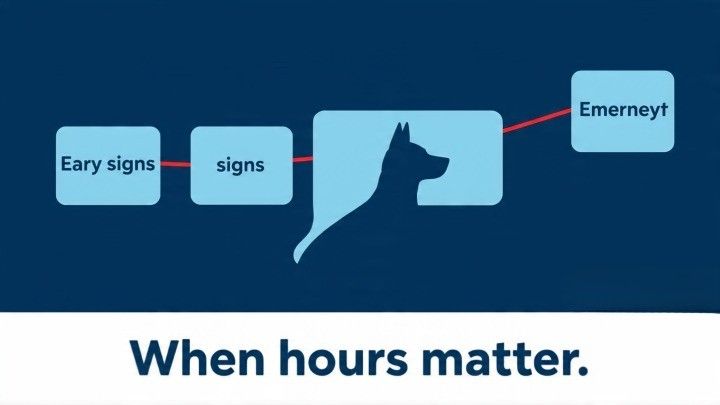
It is important to recognize the symptoms of Parvo, especially since the speed of your reaction can impact your dog’s chances of surviving. The virus will follow a relatively predictable and brutal sequence of attack on the body.
1. Early Warning Signs (Days 3-7 after exposure)

Once a dog has been exposed, there is an incubation period of 3 to 7 days in which the parvo virus is replicating in the body but not yet causing overt signs of disease in the dog. The initial signs are often mild and may simply appear to be a stomach upset or some other mild ailment.
- Lethargy & Depression: This is usually the very first sign. Your playful puppy will become suddenly quiet, withdrawn, and uninterested in toys, food, or even your attention. They may sleep much more than usual. This is not just “tiredness”; it’s the body’s first systemic response to the invading virus.
- Loss of Appetite: : A complete refusal to eat or even take favorite treats. This happens because the parvo virus is beginning to affect the gastrointestinal tract and the brain’s nausea centers.
- Fever:A high fever (often 103°F – 106°F / 39.4°C – 41.1°C) is a common early sign as the body tries to fight off the viral invasion.
- Subtle Belly Discomfort: The puppy may seem uncomfortable when its abdomen is touched.
Why this happens: The parvo virus is starting to destroy rapidly dividing cells in the tonsils and lymph nodes of the throat. The virus then moves into the bloodstream to seek its primary target: the bone marrow and intestines.
2. Severe Symptoms Of Parvo Virus and Progression (The Critical Phase)
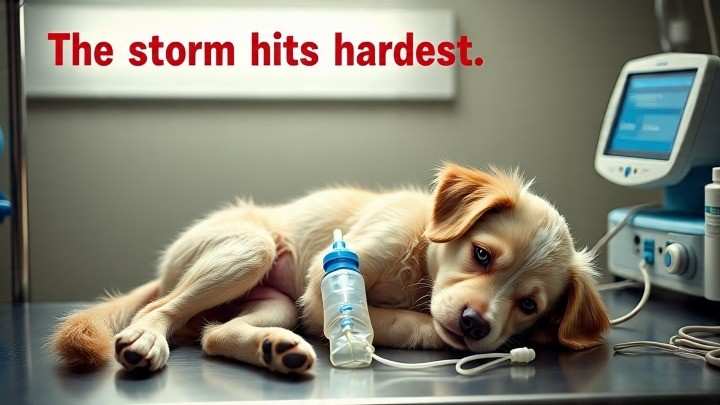
The illness escalates quickly within 24-48 hours after very mild symptoms emerge, because the parvo virus rapidly destroys its target organs.
- Severe, Projectile Vomiting: This is commonly continuous, and can be colorless, foamy, or bile-stained.
- Profuse, Bloody Diarrhea: This is the most classic sign of advanced Parvo. The diarrhea is largely watery, with a very foul, unique metallic smell, and mucus, in addition to bright red or dark, bloody streaks. The diarrhea occurs because the parvo virus has destroyed the intestinal lining and prevents the absorption of water and also causes bleeding.
- Extreme Weakness & Collapse: Severe dehydration, loss of nutrients, and pain can lead to such profound weakness that the dog does not appear able to stand.
The Scientific “Why” Behind the Severity:
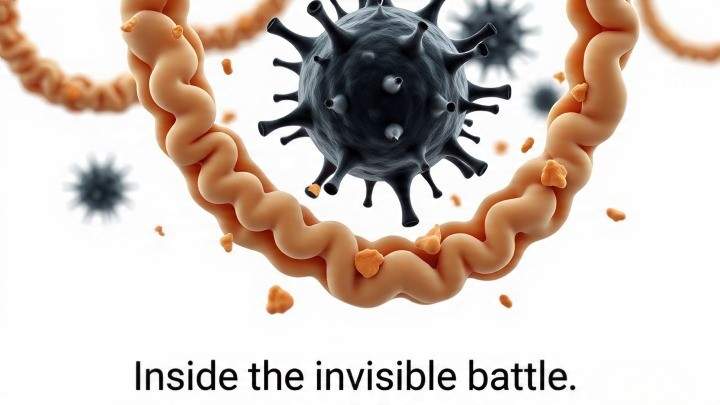
The serious signs/symptoms are due to the 2-point assault of the parvo virus:
- Gut Lining Destruction: The parvo virus assaults pancreatic epithelial cells involved in absorption of water and nutrients, thus destroying the protective gut lining, then causing fluid to leak into the intestines (diarrhea), and bacteria to leak into the bloodstream (sepsis).
- Bone Marrow Attack: In parallel, the parvo virus attacks the WBC precursors in bone marrow, leading to a calamitous drop in WBCs (neutropenia) crippling the dog’s immune response. The dog is then completely vulnerable to overwhelming bacterial sepsis.
The life threatening danger is not the virus, but l (septic) the severe dehydration, electrolyte mis-regulation and developing systemic bacterial infaction (septic) following the exposure to the virus.
3. How Long Symptoms Last if Untreated

This may be the most difficult situation for any veterinarian to admit, but without veterinary intervention, the disease kills.
- The Timeline: A puppy goes downhill rapidly from the time of severe vomiting and diarrhea—often within hours.
- The Outcome: Severe fluid loss results in hypovolemic shock. Bacteria enter the blood stream and cause sepsis, which results in endotoxic shock. All of this leads to multi-organ failure (i.e., kidneys, liver, heart), and death.
- The Crucial Window: The peak of the disease usually occurs in 3-4 days following the onset of severe symptoms. Most Parvo deaths occur in the first 48 to 72 hours of severe symptoms manifesting.
The most important thing is that Your puppy cannot wait at home. The instant that you see any combination of lethargy, vomiting, and especially bloody diarrhea in a puppy who is unvaccinated or under-vaccinated, you need to get your puppy to an emergency veterinary clinic without delay. Time is of the essence.
How Parvo Spreads: The Silent Highway of a Parvo Virus In Dogs

Understanding how Parvo virus moves is crucial in preventing this from happening. Not only is Parvo contagious, but it can also “stealthily” survive and spread through a series of pathways, allowing it to find its next host.
Common Sources of Infection: Where the Parvo Virus Hides
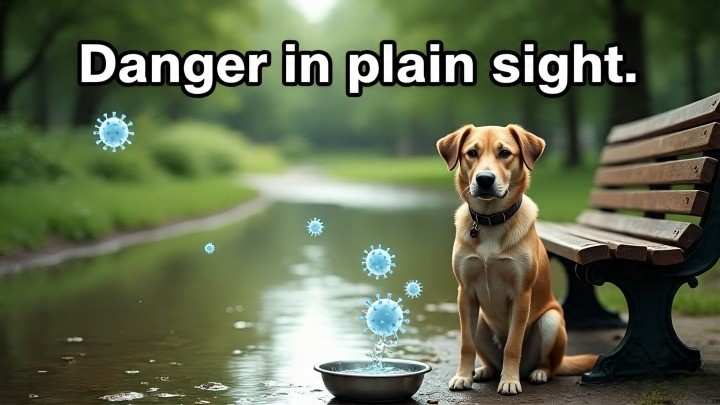
The parvo virus is shed in large amounts in the feces of an infected dog. A healthy dog becomes infected by ingesting (swallowing) the virus. Think of it as the virus hitchhiking on anything it touches.
The most common sources are:
- Direct Contact: The is the most straightforward path for parvo virus. This happens when a healthy dog sniffs, licks, or has any contact with the feces of an infected dog.
- Indirect Contact (The Most Common Way): This is how most puppies get infected, often without their owners ever seeing another sick dog. The parvo virus hitches a ride on:
- People: On shoes, clothing, and hands after walking in a contaminated area or petting an infected dog.
- Objects: Contaminated shoes, dog leashes, toys, food and water bowls, and bedding.
- Environment: Grass, soil, park pathways, kennel floors, and even the floors of a veterinary clinic if not properly sanitized.
- Wildlife: Although they don’t get sick, animals like foxes, coyotes, and rodents can mechanically carry the virus on their fur and feet after crossing contaminated areas.
Environmental Survival: The Tenacious Threat

This is what makes Parvo so dangerous. Canine Parvovirus is one of the toughest pathogens a dog can encounter.
- Hardy & Resilient: The virus is non-enveloped, meaning it has a tough protein shell that protects it from the environment. This makes it resistant to heat, cold, humidity, and drying out.
- Long-Lived: Parvo virus can survive indoors at room temperature for at least one to two months. Outdoors, especially in cool, shaded soil, it can remain infectious for six months to a year, or even longer in the right conditions.
- Hard to Kill: Parvo virus is immune to many common household disinfectants (e.g., simple green, bleach diluted for cleaning). It requires a specific disinfectant proven to kill parvovirus (e.g., accelerated hydrogen peroxide, diluted bleach solution at 1:32 ratio).
How Easily It Spreads: The Perfect Contagion
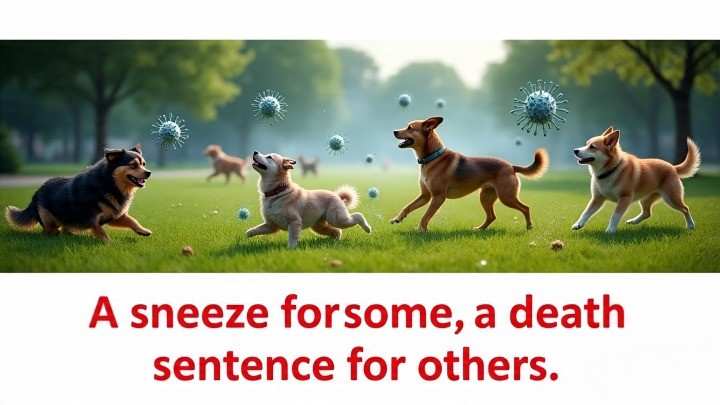
Canine Parvo virus is notoriously and dangerously easy to spread due to two factors:
- Extreme Shedding: An infected dog can shed billions of parvo virus particles in its feces. It only takes a microscopic amount of these particles to make another dog sick.
- Silent Spread: The parvo virus begins shedding before a dog shows obvious clinical signs (during the incubation period). This means a dog that appears perfectly healthy can be contaminating the environment and infecting other dogs.
In simple terms: You may never see the source. A person walks through a contaminated park years ago, gets a single parvo virus particle on their shoe, and walks across your driveway. Your unvaccinated puppy goes outside, steps on that spot, and later licks its paw. That is all it takes for the infection cycle to begin.
This is why vaccination is so critical—it prepares your dog’s immune system to fight off this ubiquitous and relentless virus before it can take hold.
Diagnosis of Parvo Virus: Confirming the Suspicions
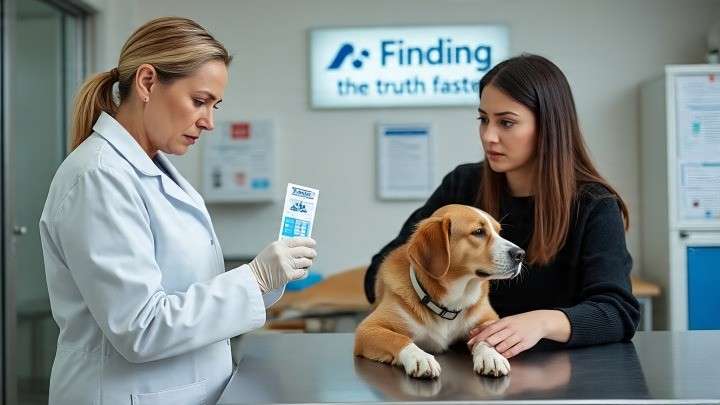
Upon arriving at the vet clinic with a young puppy exhibiting classic signs of Parvo and being seen quickly and efficiently by the entire veterinary team, assessment is more than testing for the presence of the virus. It is assessing the entire picture in order to mount the best possible counter offensive.
1. Veterinary Tests Used: The Diagnostic Toolkit
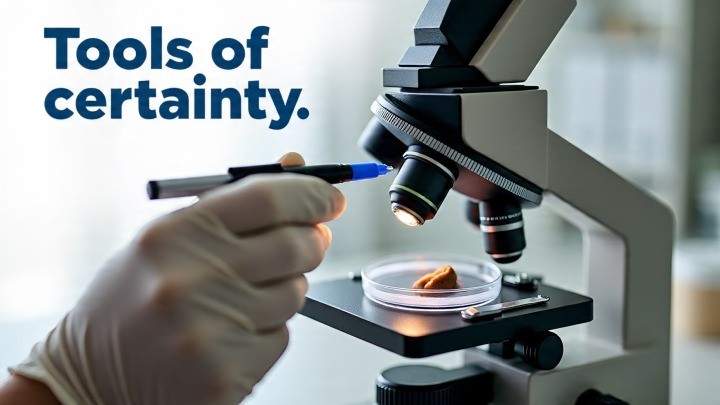
Veterinarians use a combination of tests to get a definitive answer and understand the severity of the situation.
- CPV SNAP Test (Enzyme-Linked Immunosorbent Assay – ELISA):
- What it is: This is the most common in-clinic test. It checks a sample of your dog’s feces for the specific antigens (protein markers) of the parvovirus.
- The Science: The test contains antibodies designed to bind to Parvo antigens. If the virus is present, a color change reaction occurs on the test device, providing a visual result (often two lines for positive).
- Pros: Incredibly fast (results in ~10 minutes), highly accurate for symptomatic dogs, and easy to perform.
- Latest Context: While very reliable, false negatives can rarely occur if the parvo virus is shed intermittently or very early in the infection. A negative result in a highly suspect case may lead a vet to run additional tests.
- Polymerase Chain Reaction (PCR) Test:
- What it is: This is a more sensitive molecular test usually sent to an external laboratory. It detects the parvo virus’s genetic material (DNA) in a fecal sample.
- The Science: The test amplifies even tiny, trace amounts of viral DNA to a detectable level. It is the “gold standard” for sensitivity and specificity.
- Pros: Extremely accurate, can detect the parvo virus even in early stages or in dogs that are not yet shedding large amounts of antigen. It can also differentiate between vaccine strains and wild strains of the virus (though this is not always necessary for treatment decisions).
- Cons: Takes longer (hours to days) and is more expensive than an in-clinic SNAP test.
- Supportive Blood Work:
- Complete Blood Count (CBC): This is a critical piece of the puzzle. It doesn’t detect the parvo virus itself, but it shows the virus’s devastating effect on the bone marrow. A classic finding is severe leukopenia/neutropenia—a drastically low white blood cell count. This confirms the body is losing the battle and is a key prognostic indicator.
- Blood Chemistry Panel: Checks for dehydration, electrolyte imbalances, and low blood sugar (hypoglycemia), which are common and life-threatening complications that must be addressed in treatment.
2. What to Expect at the Vet: A Structured Response
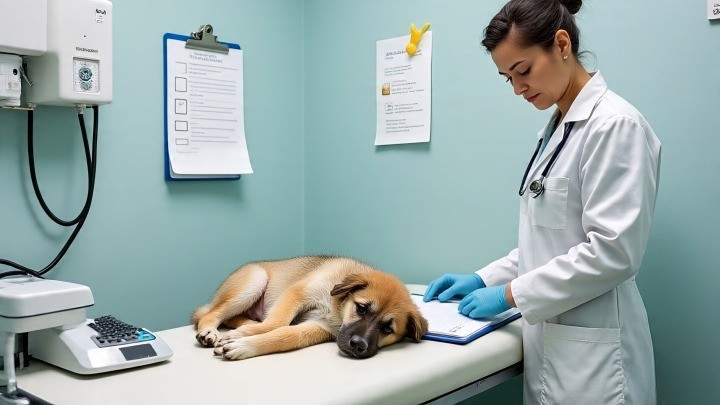
Your visit will be efficient and focused due to the critical nature of this disease.
- Immediate Triage: A puppy with suspected Parvo virus is often treated as a medical emergency. They may be taken directly to an isolation area to prevent exposing other patients.
- History & Physical Exam: The vet will ask key questions about vaccination history, symptoms, and potential exposure. They will perform a physical exam, checking for dehydration, abdominal pain, and fever.
- Rapid Testing: A fecal sample will be collected for the SNAP test, providing results within minutes.
- Discussion of Findings: The vet will explain the test results and the overall clinical picture. A diagnosis is based on a combination of factors: a positive test, compatible symptoms (lethargy, vomiting, bloody diarrhea), and a low white blood cell count.
- Treatment Plan & Hospitalization: The vet will immediately recommend a treatment plan, which almost always involves intensive, around-the-clock hospitalization. You will discuss prognosis, estimated costs, and the next steps.
3. Why Early Diagnosis Matters: The Race Against Time
Every minute counts with Parvo virus infection. Early diagnosis is not a luxury; it is the single most important factor that dictates survival.
- Halts Viral Replication: Early, aggressive supportive care (especially IV fluids) helps stabilize the patient, giving their immune system a fighting chance to start producing antibodies.
- Prevents Secondary Complications: The primary killer in Parvo virus is not the virus itself, but the septic shock and severe electrolyte imbalances that follow the gut damage. Early treatment with IV fluids, antibiotics, and anti-nausea medication directly counteracts these processes before they become irreversible.
- Improves Prognosis Dramatically: Studies consistently show that the survival rate for dogs with Parvo virus who receive early and aggressive veterinary intervention in a hospital setting is 75-90%. Conversely, the mortality rate for untreated cases is over 90%. The difference is a matter of hours.
- Protects Other Dogs: A confirmed diagnosis allows the veterinary team to enact strict biosecurity and isolation protocols. This contains the parvo virus, preventing an infected dog from shedding it throughout the clinic and protecting other vulnerable patients. It also alerts you to quarantine your dog at home to prevent community spread.
In summary, modern diagnostic tools provide a rapid and accurate diagnosis. This speed is critical because it directly enables life-saving treatment to begin, turning a once-hopeless diagnosis into a battle that can be won.
Treatment for Parvo Virus in Dogs: The Battle Plan
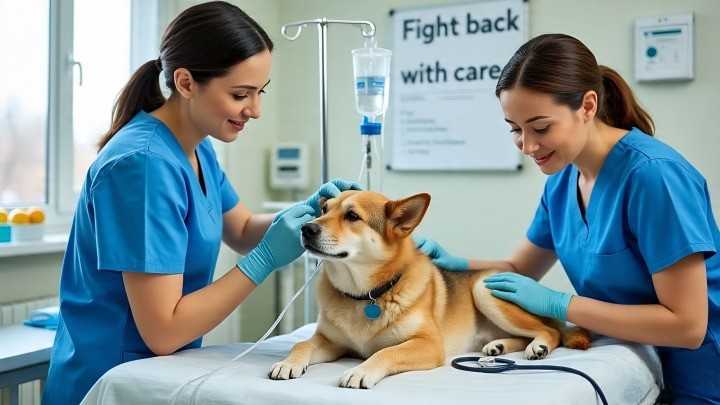
It’s crucial to understand: there is no direct cure for the parvovirus itself. There is no single pill or injection that kills the parvo virus inside the dog’s body. Instead, treatment is a form of intensive supportive care. The goal is to provide the dog’s body with everything it needs to survive the brutal viral attack while its own immune system ramps up to finally defeat the invader. This is why hospitalization is almost always non-negotiable.
1. Supportive Care and Hospitalization: The Foundation of Survival
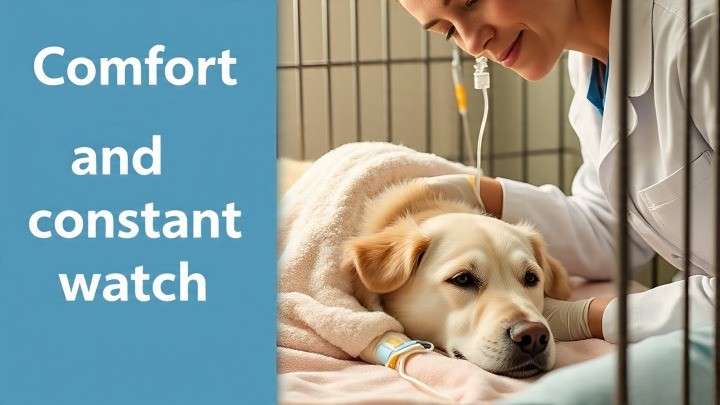
Think of a Parvo patient as a ship taking on water and losing crew members. Supportive care is the process of plugging the holes, bailing out the water, and protecting the remaining crew until help arrives (the immune system).
- Intravenous (IV) Fluids:
- The “What”: Fluids are administered directly into a vein through a catheter. This is the single most important part of treatment.
- The “Why” (The Science): The virus causes severe vomiting and diarrhea, leading to catastrophic dehydration and loss of essential electrolytes (like sodium and potassium). This disrupts every cellular function in the body and can lead to fatal shock. IV fluids:
- Rapidly Rehydrate the body, restoring blood volume and pressure.
- Correct Electrolyte Imbalances, allowing nerves and muscles to function properly.
- Correct Acid-Base Imbalances (metabolic acidosis) caused by dehydration and poor circulation.
- Nutritional Support:
- The “What”: Initially, all food and water are withheld by mouth to rest the gut. Nutrition is provided intravenously (parenteral nutrition) in severe cases. As vomiting subsides, a gradual reintroduction of water and a bland, easily digestible diet begins.
- The “Why” (The Science): The intestinal lining is destroyed and cannot perform its digestive or absorptive functions. Forcing food or water orally will often trigger more vomiting, worsening dehydration and causing pain. The gut needs time to heal. Early nutritional support via IV helps maintain energy and protein levels.
- Thermoregulation:
- The “What”: Puppies lose the ability to regulate their body temperature. They are kept on heated blankets or in incubators to maintain a normal temperature.
- The “Why” (The Science): A low body temperature (hypothermia) slows down metabolism and the immune response, making recovery harder. Keeping the puppy warm reduces the energy its body has to spend on staying warm.
2. Medications Commonly Used: The Supporting Arsenal
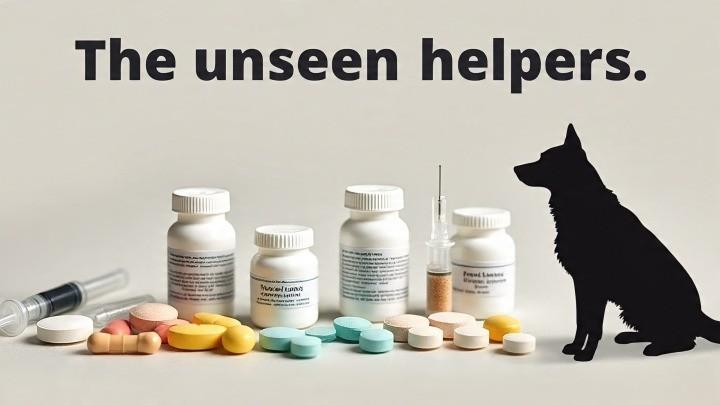
While we can’t kill the virus, we can manage the devastating secondary effects.
- Anti-Vomiting Drugs (Antiemetics):
- Examples: Maropitant (Cerenia®), Ondansetron.
- The Science: These drugs block the signals in the brain and gut that trigger vomiting. This breaks the vicious cycle of vomiting -> dehydration -> weakness -> more vomiting. It is essential for making the puppy feel well enough to eventually start eating again.
- Broad-Spectrum Antibiotics:
- Examples: Ampicillin, Enrofloxacin, Metronidazole.
- The Science: This is a critical step. The parvo virus destroys the gut barrier, allowing bacteria from the intestines to leak into the bloodstream—a condition called bacterial translocation, which leads to sepsis (a massive, body-wide infection). Antibiotics are not for the virus; they are to prevent or fight these life-threatening secondary bacterial infections. The virus also wipes out the white blood cells (neutropenia), leaving the puppy with no natural defense against bacteria.
- Pain Management:
- Examples: Opioids like Methadone or Fentanyl.
- The Science: Parvo causes significant abdominal pain from the intense inflammation and cramping of the intestines. Effective pain relief is not just a comfort measure; it reduces stress, which can improve overall outcomes.
- Other Supportive Medications:
- Plasma or Albumin Transfusions: In severe cases where protein loss through the damaged gut is critical, these can help maintain blood volume and pressure.
- Antacids (e.g., Famotidine): To protect the stomach lining and reduce nausea.
- Injectable Gastrointestinal Protectants: To soothe the damaged intestinal lining.
3. Recovery Timeline: The Road Back to Health
Recovery is a process, not an instant fix.
- Critical Phase (First 3-5 Days of Treatment): This is the make-or-break period. If a puppy is going to survive, aggressive IV fluid therapy and medications will usually help them turn a corner within 48-72 hours of starting treatment. The first sign of improvement is often the cessation of vomiting.
- The Recovery Phase:
- Once vomiting has stopped for 12-24 hours, small amounts of water are offered. If kept down, a bland diet (like prescription intestinal food) is introduced in frequent, small meals.
- The puppy will gradually regain energy and appetite.
- The white blood cell count will begin to rebound, a sure sign the bone marrow is recovering.
- Going Home: A puppy is typically discharged from the hospital once it is:
- Hydrated (on its own).
- Eating and drinking voluntarily without vomiting for at least 24-48 hours.
- Showing明显 improvement in energy and attitude.
- Post-Recovery:
- The puppy will continue to shed the virus in its feces for up to 2-4 weeks after recovery. It is crucial to isolate them from other unvaccinated dogs during this time and disinfect the home environment thoroughly.
- The gut microbiome may be altered, so a probiotic may be recommended.
- The puppy will need to complete its vaccination series at a later date, as the illness likely compromised the initial vaccines.
In summary: Treatment is a multi-pronged effort to support the body’s systems under attack. It’s a difficult battle, but with advanced veterinary care, the survival rate for hospitalized patients is excellent, often cited between 80-90%. The key is acting fast and committing to the intensive care protocol.
Can Parvo Be Prevented? A Resounding Yes.
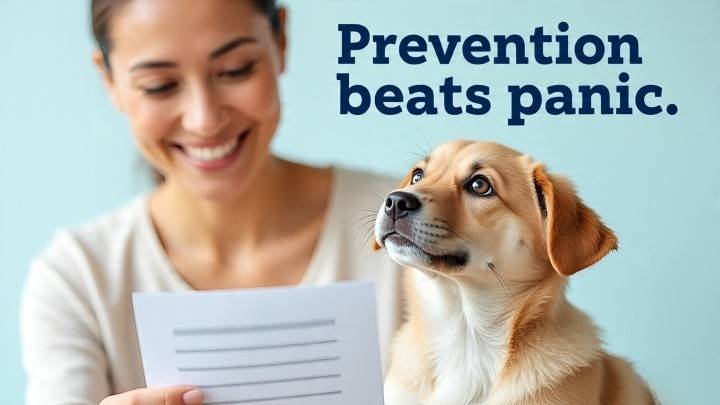
The good news in the fight against Parvo is that it is one of the most preventable diseases in dogs. While the virus in the environment is a formidable enemy, a strategic combination of medical science and diligent hygiene creates an almost impenetrable shield for your puppy.
1. The Importance of Vaccination: Training the Army
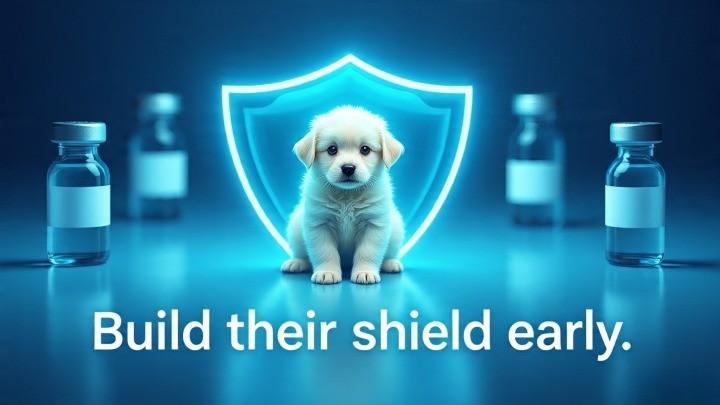
Vaccination is the absolute cornerstone of Parvo prevention. It is not a “maybe” or a “sometime” thing; it is essential.
- The “What”: A Parvo virus vaccine contains a modified live virus. This is a version of the virus that has been altered in a lab so it cannot cause disease, but it is still recognized by the puppy’s immune system.
- The “Why” (The Science): Think of the vaccine as a military training exercise for the puppy’s immune system.
- Recognition: The vaccine introduces the harmless “drill sergeant” virus to the body.
- Alarm: The immune system recognizes it as a foreign invader and launches an attack.
- Memory: Most importantly, the immune system creates memory cells—a specialized team that remembers exactly what the Parvo virus looks like.
- Preparation: If the real, dangerous Parvo virus ever invades, these memory cells activate immediately. They launch a massive, rapid production of antibodies that swarm and neutralize the virus before it has a chance to multiply and make the puppy sick.
This “training” is what provides immunity. Without it, the immune system is caught off guard, and the virus replicates too quickly to stop.
2. Puppy Vaccination Schedule: Building the Shield in Layers

Puppies are not born with full immunity. They get some temporary protection from their mother’s first milk (colostrum), but this protection fades over time and can also interfere with vaccines. This is why we don’t give just one shot.
- The “What”: A series of vaccines, typically starting at 6-8 weeks of age and repeated every 2-4 weeks until the puppy is at least 16 weeks old.
- The “Why” (The Science): The schedule is designed to navigate a narrow window of vulnerability.
- Maternal Antibody Interference: The antibodies from the mother (maternal antibodies) protect the puppy, but they can also surround and neutralize the vaccine virus, preventing the puppy’s own immune system from reacting to it.
- The Fading Shield: These maternal antibodies naturally decline at a different rate for every puppy.
- The Window of Vulnerability: There is a period when the maternal antibody level is too low to protect against the real virus, but still high enough to block a vaccine. This window is different for every puppy.
- The Solution – Multiple Doses: By giving a series of vaccines, we ensure that we “catch” that window for every single puppy. We administer a vaccine just as the maternal antibodies drop low enough to allow the puppy’s system to respond, but before the puppy is left completely unprotected in the environment.
A typical core schedule is:
- First Dose: 6-8 weeks of age
- Booster: Every 2-4 weeks thereafter
- Final Puppy Dose: 16 weeks of age or older
- Booster: One year later, then as recommended by your vet (often every 3 years).
Crucial Note: A puppy is not fully protected until at least 1-2 weeks after their final puppy shot in the series. Until then, they are still vulnerable and must be kept in safe, clean environments.
3. Hygiene and Environmental Cleaning: Controlling the Battlefield
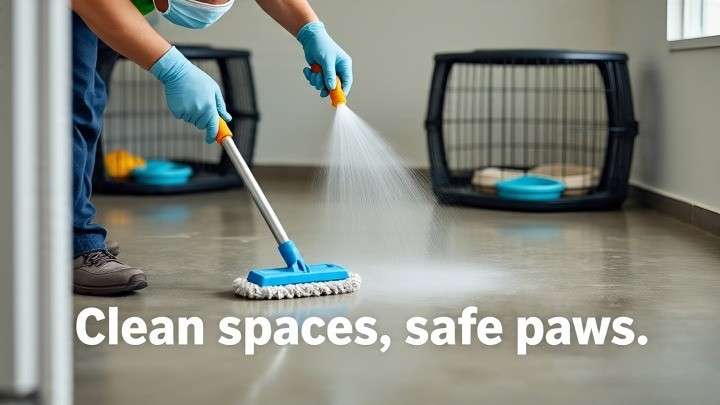
Vaccination prepares the soldier, but hygiene controls the battlefield to minimize exposure to an overwhelming force.
- The “What”: Meticulous cleaning and mindful management of a puppy’s environment.
- The “Why” (The Science): The Parvo virus is incredibly stable in the environment and resistant to many common disinfectants. The goal is to break the “fecal-oral” route of transmission.
- The “How”:
- Isolation: Until fully vaccinated, avoid high-risk areas: dog parks, pet stores, public parks, and any place where unknown dogs may have been. Socialize your puppy in controlled settings with known, healthy, and vaccinated dogs (e.g., a friend’s house with a vaccinated dog).
- Choose Your Cleaner Wisely: Not all disinfectants work.
- Bleach is highly effective. A dilute solution (1 part household bleach to 32 parts water) is the gold standard for killing Parvo on hard, non-porous surfaces (like floors, crates, bowls). It must have 10 minutes of contact time.
- Accelerated Hydrogen Peroxide (AHP) cleaners are also proven to be effective and are often less harsh than bleach. They are a great choice for fabrics and carpets.
- Soap and water do NOT kill the virus. They help physically remove it through scrubbing and rinsing, which is an important first step before applying a chemical disinfectant.
- Clean Yourself: If you have been in a public space (like a park or sidewalk), remove your shoes before entering your house or wash the soles with a Parvo-killing disinfectant. Wash your hands after petting other dogs before handling your own puppy.
In summary, prevention is a powerful two-part strategy:
- Vaccinate: This is non-negotiable. It provides the internal, biological defense.
- Manage the Environment: This minimizes the risk of your puppy encountering a viral load too large for their developing immune system to handle, even with vaccines on board.
By following these steps diligently, you can almost eliminate the risk of your puppy ever suffering from this devastating disease.
Caring for a Dog with Parvo at Home (Supportive Guidance)
A Critical First Note: Parvo is a medical emergency. Hospitalization with intravenous (IV) fluids and 24/7 monitoring is the gold standard of care and offers the highest chance of survival. This home guidance is NOT a substitute for professional veterinary care. It is intended only for situations where hospitalization is absolutely impossible. The goal of home care is to provide supportive measures while urgently seeking any and all available veterinary options.
What Owners CAN and CANNOT Do
- You CANNOT cure Parvo at home. The virus must run its course.
- You CAN provide critical supportive care that keeps your dog’s body strong enough to fight the virus itself.
- You CANNOT stop severe dehydration with water alone. Once vomiting begins, fluids must be given directly into the bloodstream (IV) to be effective. Subcutaneous (Sub-Q) fluids, which a vet can teach you to administer, are a better option than nothing but are far less effective than IV fluids for severe dehydration.
- You CAN monitor your dog closely and provide comfort, making them as stable as possible until you can get professional help.
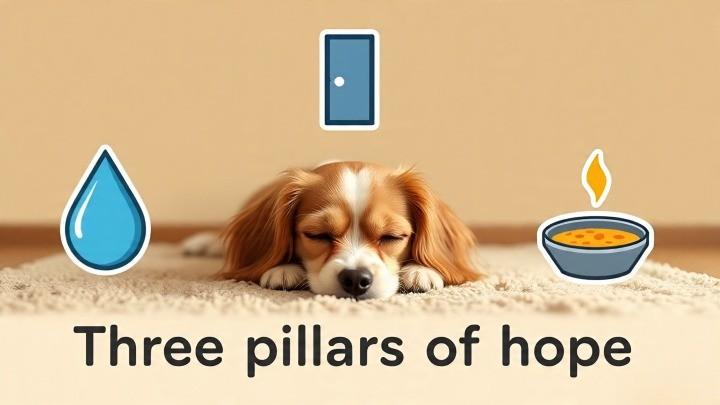
Hydration, Nutrition, and Isolation: The Three Pillars of Home Support
1. Hydration: The #1 Priority
- The Goal: Fight life-threatening dehydration.
- How to Try:
- Offer Water Frequently: Provide fresh, clean water in small amounts every hour. Do not let them guzzle a large volume, as this will trigger vomiting. Use a syringe (without the needle) to drip small amounts (5-10 mL) into the side of their mouth if they are too weak to drink.
- Oral Electrolyte Solutions: Unflavored Pedialyte® (or a generic equivalent) is better than water alone, as it replaces lost electrolytes. Offer it in the same small, frequent amounts.
- The Reality Check: If your dog cannot keep down even small sips of water or vomits immediately after drinking, you are losing the battle against dehydration. This is the most common reason home care fails. Dehydration will lead to shock and death.
2. Nutrition: Do Not Force It
- The Goal: Provide energy without upsetting the stomach.
- How to Try:
- Absolute Rest for the Gut: Do not offer any food until there has been no vomiting for at least 12-24 hours.
- Reintroduce Food Slowly: When you start, offer a tiny amount of a bland, easily digestible diet.
- Options: Plain, boiled white chicken (shredded) with plain, white rice; or a prescription intestinal diet from your vet.
- Method: Offer a teaspoon-sized amount. If it is kept down after 1-2 hours, offer another small amount.
- The Reality Check: A dog fighting Parvo has a destroyed intestinal lining that cannot absorb nutrients. The primary purpose of nutrition at this stage is to provide minimal energy. Forcing food will cause more harm than good.
3. Isolation: Protecting Others
- The Goal: Prevent the virus from spreading to other dogs.
- How to Do It:
- Strict Quarantine: The parvo virus infected dog must be completely isolated from all other dogs.
- Containment: Confine the dog to an easy-to-clean area (e.g., a bathroom or laundry room with tile flooring).
- Dedicated Supplies: Use separate food/water bowls, bedding, and cleaning supplies for the sick dog.
- Hygiene: Wear gloves and an apron or old clothes when handling the dog or cleaning up waste. Wash your hands and arms thoroughly with soap and water immediately after. The virus can live on your clothes and shoes, so change before interacting with any healthy dogs.
Signs to RUSH to the Vet (RED ALERT Signs)
Home care is a desperate measure. If you see any of the following, your dog needs emergency veterinary intervention IMMEDIATELY. The survival window is closing.
- No Improvement or Rapid Worsening: Your dog becomes progressively weaker, more lethargic, and less responsive.
- Inability to Hold Down Fluids: They vomit immediately after drinking any water or electrolyte solution.
- Bloody Diarrhea Worsens: The diarrhea becomes almost pure blood or has a very strong, foul odor.
- Evidence of Severe Pain: Whining, trembling, or groaning, especially when you touch their belly.
- Collapse or Inability to Stand: They are too weak to lift their head or stand up.
- Pale or White Gums: This is a sign of severe anemia or shock. Healthy gums should be a pink color, like bubblegum.
- Cold Extremities: Their ears and paws feel cold to the touch.
- Seizures: Any neurological signs.
Remember: You are your dog’s greatest advocate. While home care can be attempted in dire circumstances, the best chance you can give your dog is to get them to a veterinarian. Many clinics offer payment plans or can direct you to charitable organizations that can help with the cost. Do not let cost be a barrier without exploring every single available option. Their life depends on it.
Long-Term Effects of Parvo
The battle against Parvo is won in the veterinary hospital, but the journey to full health continues at home. The good news is that for the vast majority of dogs who survive, the long-term outlook is excellent. However, the severe nature of the illness can leave some lasting marks.
Recovery Outlook: The Excellent News
Most dogs that survive Parvo virus make a full and complete recovery and go on to live perfectly normal, healthy, and happy lives.
This is the most important takeaway. The body has an incredible ability to heal itself after the virus has been cleared.
- The Gut Heals: The intestinal lining, which was severely damaged, is composed of cells that regenerate quickly. With proper nutrition and time, it repairs itself completely, restoring normal digestive and absorptive function.
- The Bone Marrow Rebounds: The bone marrow resumes its job of producing white blood cells. A follow-up blood test will show that white cell counts return to normal, meaning the immune system has fully recovered.
- Lifelong Immunity: A dog that has successfully fought off a natural Parvo virus infection typically develops a powerful, long-lasting immunity to that specific strain of the virus, similar to (or even more robust than) the immunity from vaccination.
Possible Long-Term Complications: The Rare Exceptions
While uncommon, some survivors may face ongoing challenges related to the extensive damage caused during the acute phase of the illness. These are more likely in puppies who had a very severe case or a prolonged recovery.
- Chronic Digestive Issues:
- What it is: Some dogs may develop a sensitive stomach or episodes of chronic diarrhea long after recovering.
- The Scientific Reason: The severe inflammation can sometimes permanently alter the architecture of the intestinal lining (a condition called villous atrophy) or disrupt the delicate balance of gut bacteria (the microbiome). This can lead to problems with absorbing nutrients or managing certain foods.
- Management: This is often managed with a highly digestible, prescription diet, probiotics, or prebiotics to support a healthy gut environment.
- Heart Problems (Myocarditis):
- What it is: This is a very rare complication that only occurs in very young puppies (infected in the womb or before 8 weeks of age).
- The Scientific Reason: In these neonates, the virus can attack the muscle cells of the heart. This causes inflammation and scarring (myocarditis), which can lead to lifelong heart weakness, irregular heart rhythms, or even congestive heart failure later in life.
- Management: Thankfully, this form of Parvo is now extremely rare due to widespread vaccination of mother dogs, which protects the puppies. Puppies that survive myocarditis will require lifelong cardiac monitoring.
- Weakened Immune System:
- What it is: A dog may seem to get sick more easily than other dogs.
- The Scientific Reason: The massive assault on the bone marrow can, in rare cases, have long-term effects on how the immune system regulates itself.
- Management: Ensuring such dogs are kept on a regular vaccination schedule (as advised by a vet) and receive excellent nutrition is key.
- Stunted Growth:
- What it is: Puppies that suffered from severe malnutrition and dehydration during the critical growth phase may be slightly smaller than their littermates.
- The Scientific Reason: The body diverted all energy and resources to fighting the infection, halting normal growth processes. The damage to the gut also prevented the absorption of crucial nutrients needed for development.
In Summary:
The message to leave with owners is one of hope and vigilance. The goal of aggressive treatment is a full return to normal life. After recovery, it’s important to schedule a follow-up visit with your veterinarian. They can address any concerns, recommend an appropriate diet if needed, and advise on a vaccination schedule going forward, as the illness may have interfered with the initial puppy shots.
Cost of Treating Parvo: An Investment in Survival
Understanding the financial commitment of treating Parvo virus infection is crucial for pet owners. It is an intensive process, and the costs reflect the level of care required. It’s important to approach this not just as a bill, but as the investment it is in your dog’s survival.
Average Costs by Region: A Significant Financial Commitment

It is impossible to give a single number, as costs vary dramatically based on your geographic location, the specific veterinary clinic (general practice vs. emergency specialty hospital), and the severity of your dog’s case. However, these ranges provide a realistic expectation.
- Basic Outpatient Support (Not Recommended): $300 – $800+
- What it includes: Initial diagnosis (ELISA test, exam), subcutaneous fluids (fluids given under the skin, which are less effective), injections of anti-nausea and antibiotics to take home.
- The Reality: This is often a “wait and see” approach with a very low success rate for moderate to severe cases. It is not considered standard of care and is only pursued when hospitalization is truly impossible.
- Hospitalization & Intensive Inpatient Care (The Standard of Care): $1,500 – $5,000+
- What it includes: This is the treatment plan that offers the best chance of survival (often 80-90%).
- 24/7 Hospitalization (usually 3-7 days)
- Intravenous (IV) catheter and continuous IV fluid therapy
- Multiple daily medications (strong anti-vomiting drugs, broad-spectrum antibiotics, pain management)
- Routine monitoring (blood work to check white blood cell count and electrolyte levels)
- Nutritional support (when the dog can keep it down)
- Nursing care (keeping the patient clean, comfortable, and monitored)
- Complex Cases with Additional Needs: $5,000 – $10,000+
- What it includes: Everything above, plus:
- Plasma or blood transfusions
- Advanced diagnostics (e.g., ultrasound)
- Care at a 24/7 emergency and critical care specialty center
- Treatment of severe complications (e.g., sepsis, intussusception)
Regional Note: Costs are typically highest in major metropolitan areas and coastal regions and may be lower in rural areas. However, the level of care is intensive everywhere, and the bill will always represent a significant sum.
Why Prevention is More Affordable: Pennies vs. Pounds
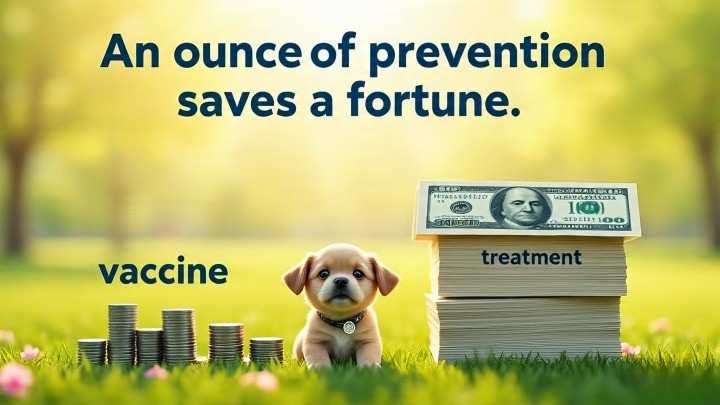
The cost of preventing Canine Parvo virus is a fraction of the cost of treating it. This is the most compelling financial argument in veterinary medicine.
| Prevention | Cost | Outcome |
|---|---|---|
| Core Vaccination Series (DHPP, which includes Parvo) | $25 – $45 per shot (Average total for series: $100 – $250) | Lifelong immunity and protection from a deadly disease. This is one of the most cost-effective interventions in all of medicine. |
| Treatment for Parvo | $1,500 – $5,000+ | A chance at survival after a painful, life-threatening illness. No guarantee of success, and may include long-term costs. |
The Bottom Line:
- Prevention is a predictable, planned expense. You budget for puppy shots as part of responsible ownership.
- Treatment is an unexpected, emotional, and financial emergency. It forces families to make heartbreaking decisions based on finances during a crisis.
- The math is unequivocal: You can fully vaccinate a puppy for life for less than the cost of a single day of intensive Parvo treatment.
Investing in prevention is not just affordable; it is the ultimate act of responsible pet ownership. It spares your dog unimaginable suffering and protects your family from the emotional and financial trauma of a preventable crisis. Always discuss a complete vaccination schedule with your veterinarian—it is the best investment you will ever make in your pet’s health.
Conclusion: Your Knowledge is Their Best Protection
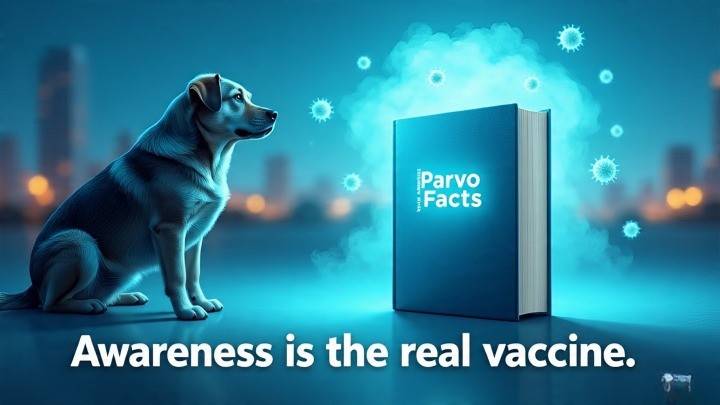
If you take only one thing from this guide, let it be this: Canine Parvovirus is a formidable enemy, but it is no longer a death sentence. Thanks to advances in veterinary medicine, the dedication of veterinary teams, and the power of informed pet owners, the vast majority of puppies who receive prompt, aggressive care not only survive—they go on to live full, vibrant, and completely normal lives.
The journey through a Parvo diagnosis is undeniably frightening. The vomiting, the lethargy, the bloody diarrhea—it’s a visceral and heartbreaking experience. But you are not powerless. Your role is critical. You are the first line of defense, the keen observer who notices the earliest signs of “something not being right.” You are the advocate who makes the urgent call to the veterinarian. Your swift action is the catalyst that starts the life-saving chain of events.
This entire conversation circles back to two pillars of unwavering truth:
- The Unmatched Power of Prevention: The core DHPP vaccine is a modern marvel. It is safe, effective, and astonishingly affordable compared to the alternative. By committing to the full puppy series and following your vet’s recommended schedule, you build an invisible shield around your dog. You are not just preventing a disease; you are purchasing peace of mind and ensuring your life together starts with joy, not fear.
- The Critical Nature of Time: Parvo is a battle of hours, not days. If your unvaccinated or partially vaccinated puppy shows any combination of lethargy, loss of appetite, vomiting, or diarrhea, do not wait. Hope is not a strategy. Trust your instincts and seek veterinary care immediately. Early diagnosis and intervention are the most significant factors that separate a treatable hospital stay from a tragic outcome.
You now possess the knowledge to protect your furry family member. You understand the enemy, how it attacks, and the precise steps to defeat it. So, take a deep breath. Be proactive with your puppy’s vaccinations. Be vigilant in their environment. And know that by partnering with your veterinarian, you are giving your dog the very best chance at a long, healthy, and happy life by your side.
FAQs
1. What is parvo in dogs?
Parvo in dogs is a highly contagious viral infection that mainly affects a dog’s stomach and intestines, causing severe vomiting and diarrhea.
2. How do dogs get parvo in dogs?
Dogs get parvo in dogs through contact with infected poop, surfaces, or even on people’s shoes and hands after touching an infected area.
3. What are the first signs of parvo in dogs?
The first signs of parvo in dogs include loss of appetite, vomiting, fever, and foul-smelling bloody diarrhea.
4. Can puppies survive parvo in dogs?
Yes, puppies can survive parvo in dogs if they get quick veterinary care, fluids, and supportive treatment right away.
5. How is parvo in dogs diagnosed?
Parvo in dogs is diagnosed by a vet using a special test on a stool sample to detect the virus.
6. How is parvo in dogs treated?
There is no direct cure, but parvo in dogs is treated with IV fluids, anti-nausea medication, antibiotics to prevent secondary infections, and supportive care.
7. Can adult dogs catch parvo in dogs?
Yes, even adult dogs can catch parvo in dogs if they are not fully vaccinated or have a weak immune system.
8. How long does parvo in dogs last?
Parvo in dogs can last about 7–10 days, but recovery depends on how quickly treatment begins and the dog’s health.
9. Can you prevent parvo in dogs?
Yes, you can prevent parvo in dogs by keeping vaccinations up to date and avoiding contact with unknown dogs or contaminated areas.
10. Is parvo in dogs dangerous to humans?
Parvo in dogs does not infect humans, but people can carry the virus on their clothes or shoes and pass it to other dogs.
