
Poodle dogs are smart, friendly and easy to train, making them great family companions. Learn about their types, care needs, grooming, temperament and fun activities. This guide helps you understand how to keep Poodle dogs happy, healthy and active every day.
Table of Contents
What Makes Poodles Unique

Many people look at the Poodle and see a pretty dog that has been “put together” and does not appreciate all of the hard work done by the owner(s). Underneath the fluff and fancy hair styles is a breed that is very intelligent, will learn and excel at almost everything you throw at them, and be a truly wonderful family dog.
The Poodle has also been used in many different capacities (Agility, various service dog functions, etc.) and is considered to be a great pet all over the world because of the variety of sizes they come in, how easily they adapt to different lifestyles, and for many people with allergies who find this breed’s coat easier to maintain.
History and Origins Of Poodle Dogs

The Poodle’s history is lengthy and quite mysterious in Europe. Even though the Poodle is usually linked with France, the majority of people still think that the Poodle is a breed from Germany and that it was a water retriever dog that hunters used to get ducks from lakes. The term poodle comes from a German word, Pud del, which means “to splash about in the water”.
Eventually, breeders began to see the intelligence and ability to learn new tricks that these dogs had, and as they became more popular, they attracted the attention of entertainers and members of royalty.
Later breeders have made smaller versions such as a Miniature Poodle or Toy Poodle in addition to Just smaller versions to be able to accommodate people living in the city. While this has been happening, the Standard Poodle has remained a great working dog that is still popular after the test of time.
What Are Poodle Types and Sizes

Poodle dogs are categorized into three: Standard, Miniature, and Toy. Each one has the same intelligent and fun character but varies in size. Standards are the most extended and energetic, Miniatures are a little and vivacious, and Toys are minuscule and ideal for apartment living. Every kind is the perfect match for various families and different lifestyles.
| Poodle Type | Height | Weight | Main Features |
|---|---|---|---|
| Standard Poodle | 15 inches (usually 18–24 inches) | 20–32 kg | Athletic, strong, great for sports and working roles. |
| Miniature Poodle | 10–15 inches | 6–9 kg | Small, smart, ideal for families and city homes. |
| Toy Poodle | Under 10 inches | 2–4 kg | Very small, friendly, perfect for apartment living and companionship. |
Physical Characteristics Of Poodle Dogs
| Poodle Feature | Description |
|---|---|
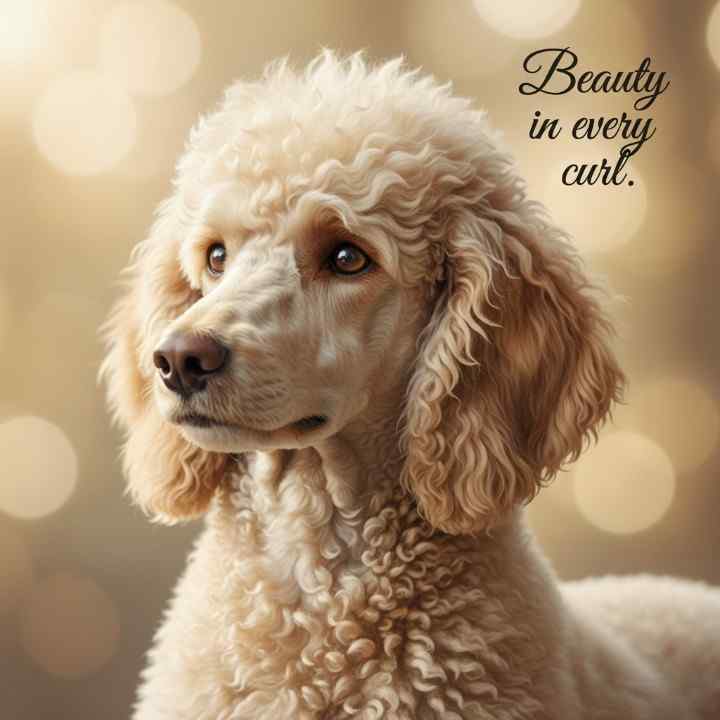
| Body Structure | Well-balanced, elegant, and athletic with a square build. |
| Head | Long and refined with a straight muzzle and expressive eyes. |
| Eyes | Oval, dark, and full of alertness. |
| Ears | Long, hanging close to the head, covered with curly hair. |
| Coat Type | Dense, curly, and low-shedding; grows continuously and needs grooming. |
| Coat Texture | Soft to medium texture with tight curls or corded style. |
| Colors | Common colors include white, black, brown, apricot, red, cream, silver, blue, and gray. |
| Tail | Set high and often carried upward; may be natural or docked depending on the country. |
| Feet | Small and oval with well-arched toes, giving a neat and tidy appearance. |
| Overall Appearance | Stylish, graceful, and sporty with a lively expression. |
Temperament and Personality Of Poodle Dogs
| Poodle Trait | Description |
|---|---|
| Intelligent | Poodles are one of the smartest dog breeds and learn new skills quickly. |
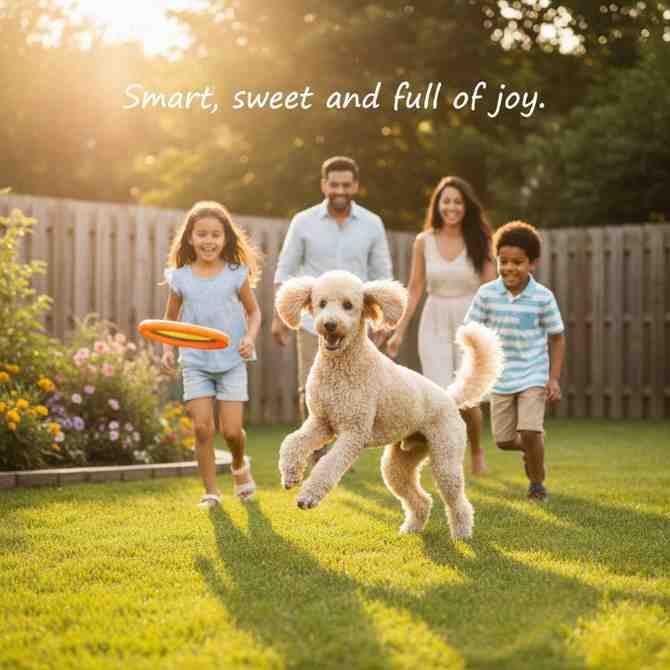
| Friendly | They enjoy being around people and often bond strongly with their families. |
| Active | They have plenty of energy and love playtime, walking, and mental games. |
| Trainable | Their sharp mind and eagerness to please make training smooth and enjoyable. |
| Alert | They stay aware of their surroundings and often make good watchdogs. |
| Social | They get along well with children, other dogs, and even pets when socialized early. |
| Sensitive | They respond to tone and emotions, so gentle handling works best. |
| Affectionate | They love attention and enjoy being close to their family members. |
Health and Lifespan Of Poodle Dogs

| Aspect | Description |
|---|---|
| Average Lifespan | 12 to 15 years, sometimes longer with good care. |
| Overall Health | Generally healthy but can be prone to some inherited conditions. |
| Common Health Issues | Hip dysplasia, eye disorders, ear infections, skin allergies, and thyroid issues. |
| Genetic Concerns | May develop conditions like progressive retinal atrophy and Addison’s disease. |
| Coat-Related Problems | Curly coat can trap dirt and moisture, making regular grooming important. |
| Exercise Needs | Needs daily physical activity to maintain joint and heart health. |
| Diet Needs | Balanced diet helps maintain weight and reduces risks of obesity-related problems. |
| Regular Checkups | Routine vet visits help catch early signs of health issues. |
| Preventive Care | Vaccination, parasite control, dental care, and grooming all support long-term health. |
Grooming Needs ForPoodle Dogs
| Grooming Aspect | Description |
|---|---|
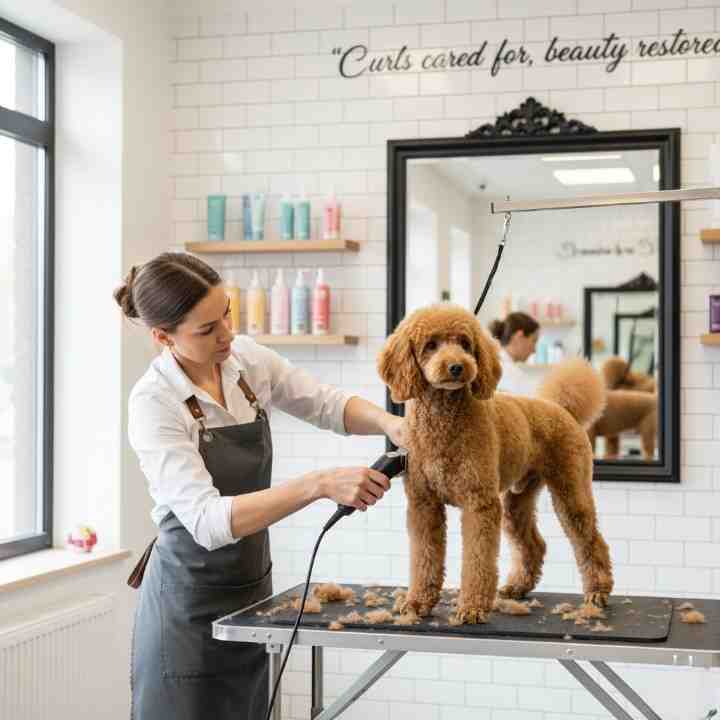
| Coat Care | Their curly coat needs regular brushing to prevent tangles and mats. |
| Brushing Frequency | At least 3 to 4 times a week; daily is ideal for longer styles. |
| Professional Grooming | Haircuts are needed every 4 to 6 weeks to keep the coat tidy. |
| Bathing | A bath every 3 to 4 weeks helps keep the coat clean and healthy. |
| Ear Cleaning | Regular cleaning is important because their long ears can trap moisture. |
| Nail Trimming | Nails should be trimmed every 3 to 4 weeks to avoid discomfort. |
| Dental Care | Daily brushing or dental treats help prevent plaque and gum issues. |
| Eye Care | Wipe around the eyes gently to avoid tear stains and irritation. |
| Shedding Level | Low shedding, but grooming needs are high due to constant hair growth. |
Nutrition and Feeding For Poodle Dogs

| Aspect | Description |
|---|---|
| Diet Type | A balanced diet with good-quality protein, healthy fats, and essential nutrients. |
| Food Options | High-quality kibble, wet food, or a vet-approved home-cooked or raw diet. |
| Portion Size | Depends on age, size, activity level, and health condition. |
| Feeding Frequency (Puppies) | 3 to 4 small meals a day. |
| Feeding Frequency (Adults) | 2 meals a day. |
| Healthy Additions | Vegetables, fruits, and supplements only if recommended by a vet. |
| Avoid Foods | Chocolate, grapes, raisins, onions, garlic, xylitol, and high-fat scraps. |
| Hydration | Fresh clean water should be available at all times. |
| Weight Management | Monitor weight to avoid obesity, especially in less active Poodles. |
| Special Needs | Senior or working Poodles may require customised diets. |
Exercise and Activity For Poodle Dogs
| Aspect | Description |
|---|---|
| Daily Exercise | Needs 45 to 90 minutes of activity depending on size and energy level. |
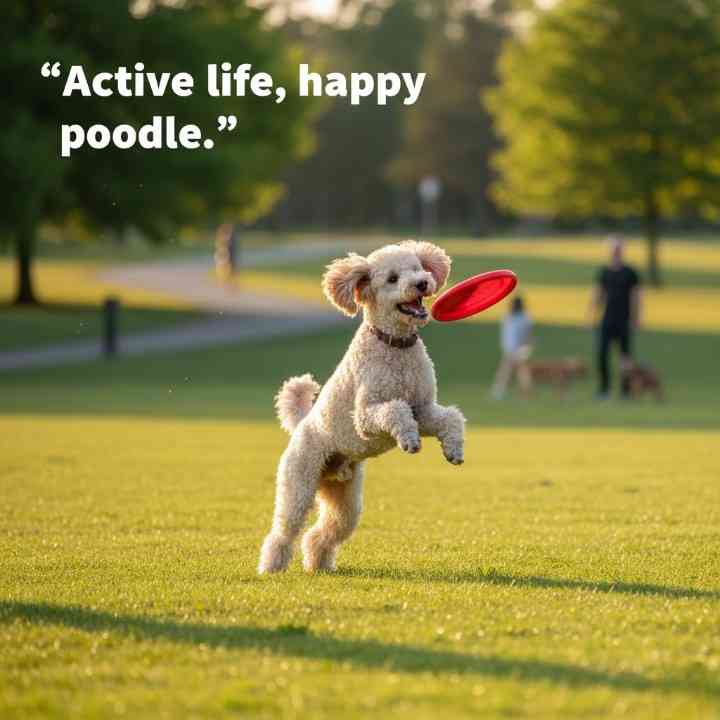
| Type of Activities | Walks, play sessions, swimming, fetch, and agility exercises. |
| Mental Stimulation | Puzzle toys, training games, and tasks help keep their sharp mind active. |
| Indoor Activities | Short training drills, hide-and-seek, and interactive toys. |
| Outdoor Activities | Running, hiking, ball games, and water play. |
| Social Play | Enjoys playtime with other friendly dogs when supervised. |
| Training Benefits | Daily training keeps them disciplined and reduces boredom-related behaviour. |
| Energy Levels | High in Standard Poodles; medium in Miniature and Toy Poodles. |
| Rest Needs | Regular breaks and proper sleep help maintain balance. |
Training and Socialization For Poodle Dogs
| Aspect | Description |
|---|---|
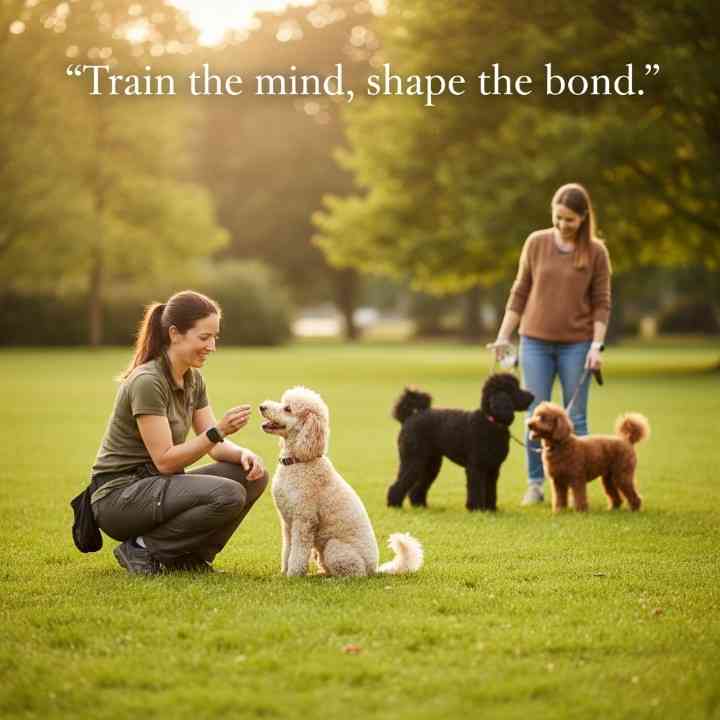
| Trainability | Poodles learn quickly and enjoy training. They respond well to clear and positive guidance. |
| Training Style | Gentle methods with rewards work best. Harsh tones can make them anxious. |
| Basic Commands | Start with sit, stay, come, and leash walking from an early age. |
| Advanced Training | They excel in agility, obedience, tricks, and service dog tasks. |
| Socialization Needs | Early social exposure to people, pets, and new places helps build confidence. |
| Puppy Socialization | Start at 8 to 12 weeks with safe interactions and simple outings. |
| Behaviour Shaping | Regular training helps prevent barking, jumping, and separation stress. |
| Mental Stimulation | Learning new tasks keeps them happy and reduces boredom. |
| Consistency | A steady routine and regular practice help maintain good behaviour. |
| Family Interaction | They enjoy being part of daily activities and thrive when included. |
Living Environment For Poodle Dogs
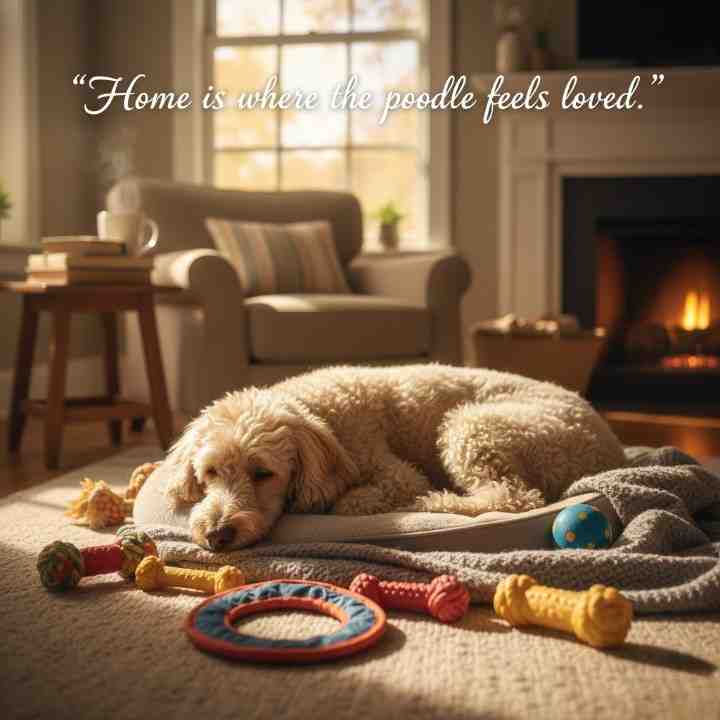
They are well adapted to apartments and houses as long as they get daily exercise.
They mostly prefer living indoors close to their family rather than being kept outside.
A clean and safe space is important because their coat can trap dust and dirt easily.
They enjoy a home with enough room to play, move around, and stay active.
Access to a secure outdoor area is helpful for playtime and bathroom breaks.
They do well in climate-controlled environments since extreme heat or cold can affect them.
Mental stimulation is important, so keep toys, puzzles, and training activities available.
They thrive in calm, loving homes where they receive regular attention and interaction.
Poodles and Families

Poodles fit well into family life. They are gentle, playful, and patient with children. Their intelligence makes them easy to train, and they enjoy being included in daily activities. With proper exercise and attention, they become loving and dependable family companions.
Working and Sporting Roles For Poodle Dogs
| Role | Description |
|---|---|
| Water Retrieving | Originally bred to retrieve ducks, they are strong swimmers and confident in water. |
| Service Dogs | Their intelligence and calm nature make them suitable for assistance and therapy work. |
| Search and Rescue | Their sharp senses and trainability help them perform well in rescue missions. |
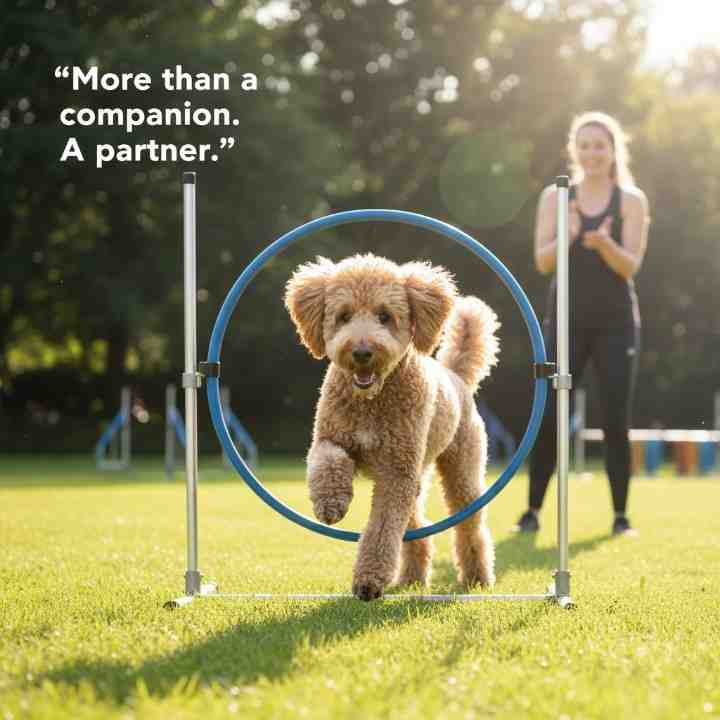
| Agility Sports | They excel in agility courses due to their speed, focus, and athletic build. |
| Obedience Competitions | Quick learning and discipline make them strong performers in obedience trials. |
| Performance Shows | Their elegance and responsiveness make them popular in dog shows and trick programs. |
Adoption and Buying Guide For Poodle Dogs
| Aspect | Description |
|---|---|
| Research First | Learn about Poodle types, grooming needs, health issues, and activity levels before deciding. |
| Adoption Option | Check shelters and rescue groups. Many Poodles and Poodle mixes need loving homes. |
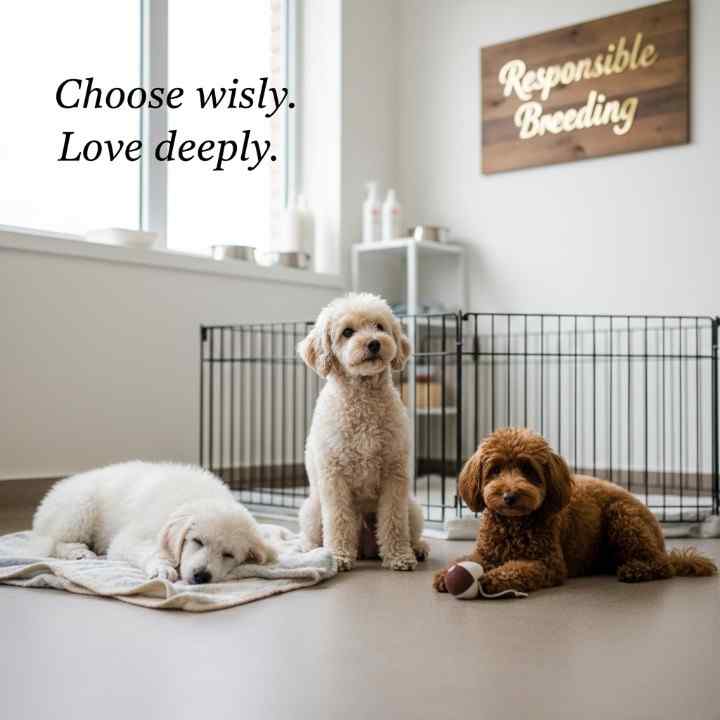
| Choosing a Breeder | Pick a responsible breeder who provides health records, allows visits, and cares for the puppies’ welfare. |
| Health Checks | Look for proof of tests for eyes, hips, thyroid, and genetic conditions. |
| Meet the Parents | Meeting the puppy’s parents helps you understand temperament and size expectations. |
| Puppy Behavior | Choose a puppy that is active, friendly, and curious, not withdrawn or overly shy. |
| Documents to Ask For | Vaccination record, deworming schedule, and any registration papers. |
| Home Preparation | Set up a safe space with bedding, toys, bowls, food, and grooming tools. |
| Budget Planning | Consider long-term costs like grooming, vet care, training, and food. |
| First Vet Visit | Schedule an early checkup to ensure your new Poodle is healthy and starts on the right routine. |
Puppy Care For Poodle
| Aspect | Description |
|---|---|
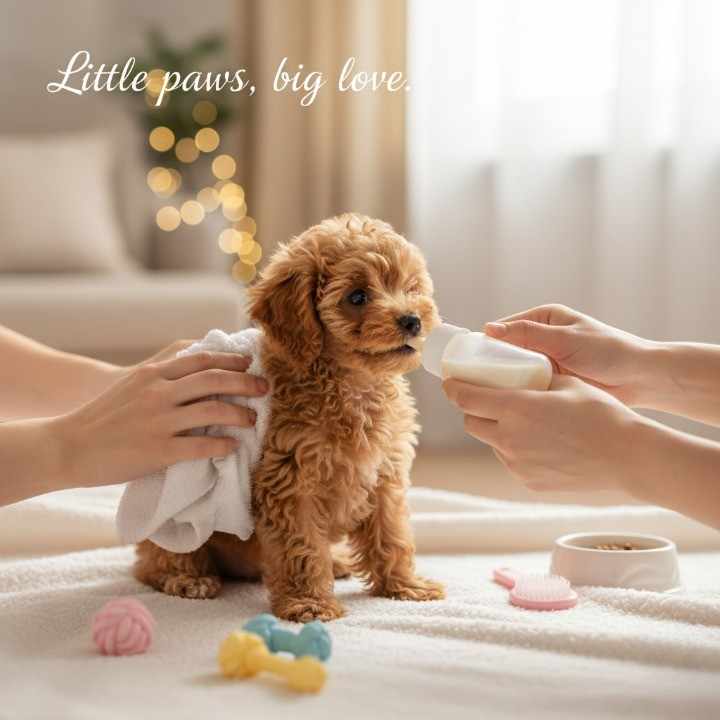
| Feeding | Give high-quality puppy food in 3 to 4 small meals daily to support growth. |
| Vaccinations | Follow the vet’s schedule for core vaccines and regular deworming. |
| Grooming | Start brushing early to get the puppy used to grooming; trims may be needed every few weeks. |
| Training | Begin basic commands, house training, and gentle leash practice from an early age. |
| Socialization | Introduce the puppy to new people, pets, and places to build confidence. |
| Health Checks | Regular vet visits help track development and catch issues early. |
| Exercise | Short play sessions and gentle walks; avoid over-exercising young joints. |
| Teething Care | Provide safe chew toys to ease discomfort during teething. |
| Sleep Needs | Ensure plenty of rest; puppies need long naps for healthy growth. |
| Bonding | Spend quality time to build trust and help the puppy feel secure. |
Senior Poodle Care

| Aspect | Description |
|---|---|
| Diet Needs | Switch to senior-friendly food that supports joint, heart, and digestive health. |
| Exercise | Gentle walks and light play help maintain mobility without straining joints. |
| Health Checks | More frequent vet visits to monitor eyes, teeth, heart, and overall wellness. |
| Joint Care | Supplements like glucosamine or omega-3 (only with vet advice) can support aging joints. |
| Weight Management | Keep weight in check to reduce stress on bones and prevent health issues. |
| Grooming | Regular brushing and trims help manage coat changes and skin sensitivity. |
| Comfort | Provide soft bedding, warm spaces, and easy access to food and water. |
| Mental Stimulation | Simple games, training refreshers, and puzzle toys keep the mind active. |
| Behavior Changes | Watch for confusion, reduced hearing, or slower movement and adjust routines gently. |
| Special Needs | Some seniors may need medications or lifestyle changes for chronic conditions. |
Costs of Owning a Poodle
| Poodle Type | Average Price (USD) | Average Price (INR) | Notes |
|---|---|---|---|
| Standard Poodle | 1,200 to 3,000 USD | ₹1,00,000 to ₹2,50,000 | Well-bred lines and show-quality puppies cost more. |
| Miniature Poodle | 1,000 to 2,500 USD | ₹85,000 to ₹2,00,000 | Popular size with moderate grooming needs. |
| Toy Poodle | 1,500 to 3,500 USD | ₹1,25,000 to ₹3,00,000 | Small size increases demand and price. |
| Category | Annual Cost (USD) | Annual Cost (INR) |
|---|---|---|
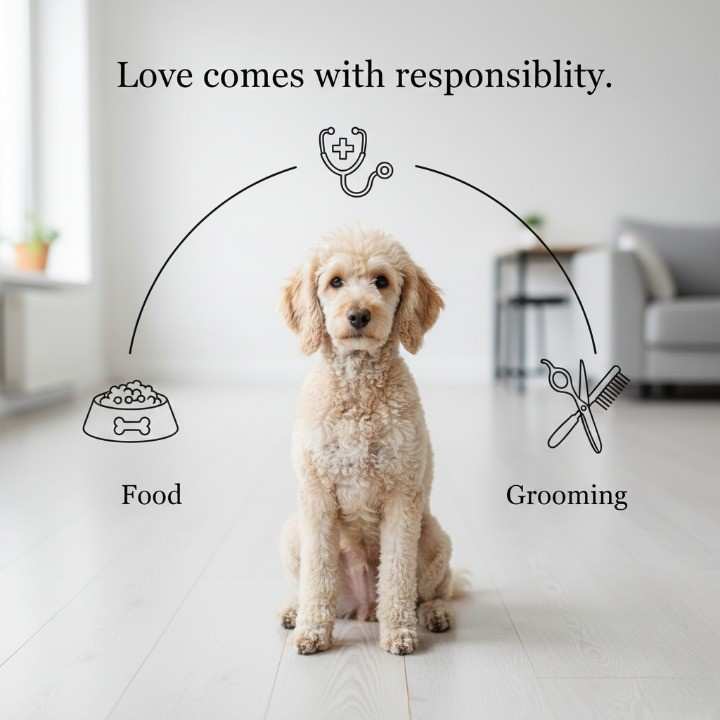
| Food | 400–800 USD | ₹30,000–₹65,000 |
| Grooming | 600–1,200 USD | ₹50,000–₹1,00,000 |
| Vet & Vaccinations | 300–700 USD | ₹25,000–₹55,000 |
| Training & Activities | 150–400 USD | ₹12,000–₹35,000 |
| Miscellaneous (toys, beds, accessories) | 150–300 USD | ₹12,000–₹25,000 |
Travel and Outdoor Safety For Poodle Dogs
| Topic | What It Means | Safety Tips for Poodles |
|---|---|---|
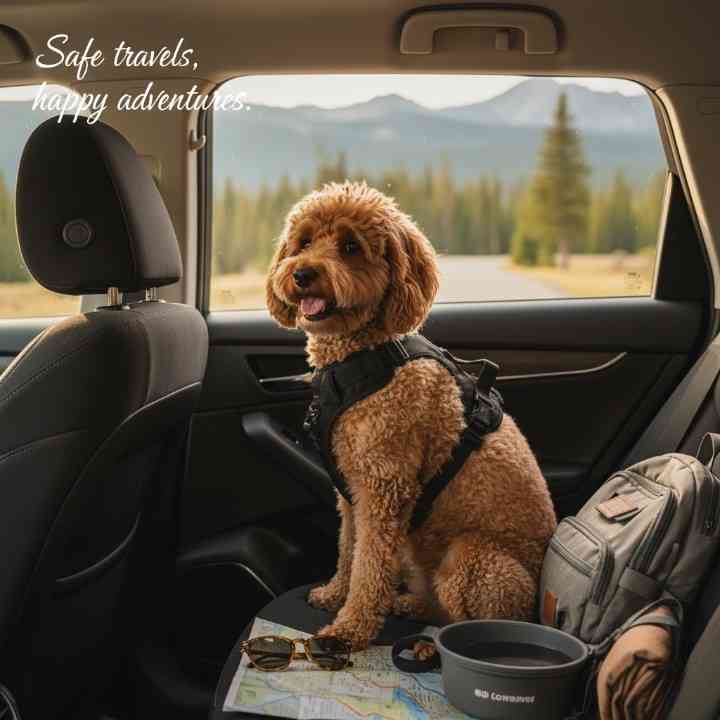
| Car Travel | Keeping your Poodle safe while riding in a car | Use a seat belt harness or crate, avoid letting them hang out of windows, keep travel breaks for water and potty time |
| Train Travel | Taking your Poodle on trains or public transport | Carry health papers, use a secure carrier, keep them calm with familiar toys, arrive early to avoid rush |
| Air Travel | Flying with your Poodle | Choose pet-friendly airlines, book early, follow airline rules, avoid flights in extreme temperatures |
| Walking Outdoors | Daily outdoor walks and exercise | Use a good leash, avoid hot roads, check paws after walks, keep a steady pace |
| Outdoor Adventures | Hiking, parks and nature visits | Carry water, use tick prevention, watch for snakes and insects, avoid tall grass |
| Weather Safety | Protecting Poodles from heat, cold and rain | Provide shade in summers, use sweaters in winter, dry them after rain to avoid skin issues |
| Hydration & Food | Keeping your dog fed and hydrated | Carry fresh water, avoid giving outside food, use collapsible bowls |
| Sun Protection | Poodles can get sunburn on nose and shaved areas | Avoid midday sun, use dog-safe sunscreen on sensitive spots |
| Lost Dog Safety | Preventing your Poodle from getting lost | Use an ID tag, microchip your dog, keep the leash secure |
| First Aid & Emergencies | Handling minor injuries outdoors | Carry a small first-aid kit, clean wounds, contact a vet for anything serious |
Fun Activities and Enrichment Of Poodles
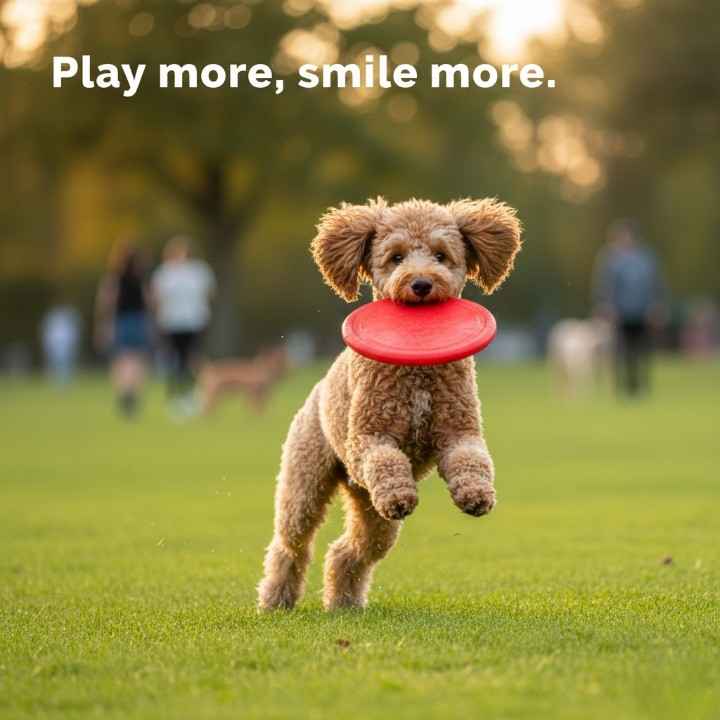
Fetch Games
Great for mental and physical exercise.
Fun fact: Poodles were originally water retrievers, so fetch comes naturally to them.
Puzzle Toys
Keep their mind busy and reduce boredom.
Fun fact: Poodles rank among the smartest dog breeds, so they enjoy solving puzzles.
Hide and Seek
Hide treats or toys and let your Poodle find them.
Fun fact: Their sharp noses help them pick up even the smallest scent clues.
Agility Training
Tunnels, jumps and obstacle courses are exciting for them.
Fun fact: Poodles often win agility competitions because they are quick learners.
Swimming Sessions
Most Poodles love water and swim naturally.
Fun fact: Their curly coat was once shaped to help them swim better during hunting.
Short Nature Walks
Exploring new scents and sights keeps them mentally active.
Fun fact: A five-minute sniff walk can tire a dog more than a long regular walk.
Interactive Play with Family
Tug toys, soft balls and gentle playtime build bonding.
Fun fact: Poodles thrive on human connection and enjoy being part of family activities.
Training Trick Sessions
Teach sit, spin, shake or even advanced tricks.
Fun fact: Poodles learn new commands faster than many breeds, often within a few repetitions.
Dog Social Meetups
Playdates help them stay social and confident.
Fun fact: Well-socialized Poodles show fewer anxiety issues later in life.
Scent Games
Place treats under cups or boxes and let them choose.
Fun fact: Scent games boost confidence and sharpen problem-solving skills.
Myths and Misconceptions For Poodle Dogs

| Myth / Misconception | Reality (Brief Explanation) |
|---|---|
| Poodles are only “fancy show dogs.” | They are active, athletic and great working dogs. Their elegant look often hides their strong abilities. |
| Poodles are weak and delicate. | They are sturdy, energetic and love outdoor activities. Standard Poodles especially handle exercise very well. |
| Poodles don’t shed at all. | They shed very little, but not zero. Loose hair gets trapped in the curls, so regular grooming is still needed. |
| Poodles are high-maintenance pets. | Their coat needs grooming, but their behavior and training are usually easy because they learn fast. |
| Poodles bark a lot. | They bark when bored or not trained well. A well-exercised Poodle is usually calm and quiet. |
| Poodles are not good with kids. | They are friendly, gentle and playful when socialized early. Many families find them great with children. |
| Toy and Mini Poodles are fragile. | They are small but not weak. They stay healthy with proper care and gentle handling. |
| Poodles are stubborn. | They are intelligent and willing to learn. They respond well to positive training methods. |
| Poodles can’t be guard dogs. | They may not look fierce, but they are alert, protective and quick to warn owners of anything unusual. |
| All Poodles have the same personality. | Personalities vary with size, upbringing and training. Some are calm, others are more energetic. |
Summary
Poodles are intelligent, loyal and full of energy. They adapt well to family life and enjoy learning new things. With proper grooming, training and mental enrichment, they stay healthy and happy. Their playful nature and sharp mind make them wonderful companions for homes of all sizes.
FAQs
Are poodles easy to train?
They are one of the smartest breeds and learn new commands quickly.
Are poodles hypoallergenic?
They are considered low-allergy dogs, but no breed is fully allergy-free.
How much exercise do poodles need?
About 30 to 60 minutes daily depending on size. They enjoy walks, playtime and mental games.
Do poodles get along with other pets?
Yes. They are social and usually do well with other dogs and pets when introduced slowly.
Which poodle size is best for me?
Standard suits active homes, Miniature fits small families and Toys are ideal for indoor lifestyles.

I was recommended this blog by my cousin. I’m not sure
whether this post is written by him as no one else know such detailed about my problem.
You’re incredible! Thanks!