
Spaying and neutering dogs is one of the most important medical decisions pet owners make, yet it is often misunderstood. While many people see it only as a way to prevent puppies, veterinarians know that spaying in dogs and neutering in dog play a major role in preventing serious diseases, improving behavior, and protecting animal welfare.
Table of Contents
Introduction: Why Spaying and Neutering Dogs Matters

In daily veterinary practice, few preventive decisions influence a dog’s lifetime health as much as spaying in dogs and neutering in dog. Many pet parents think of these procedures only as a way to prevent puppies, but medically, they are powerful tools to reduce disease risk, improve behavior, and protect animal welfare.
Sterilization in dogs is not just about reproduction. It plays a major role in preventing life-threatening infections, hormone-driven cancers, and unwanted behaviors that often lead to abandonment. As a veterinarian who has treated both sterilized and unsterilized pets for many years, I can say clearly that appropriate sterilization dramatically improves long-term outcomes.
This guide explains the science, the real-world veterinary experience, and the practical steps so you can make the best decision for your dog.
What Is “Spaying” and “Neutering” Meaning
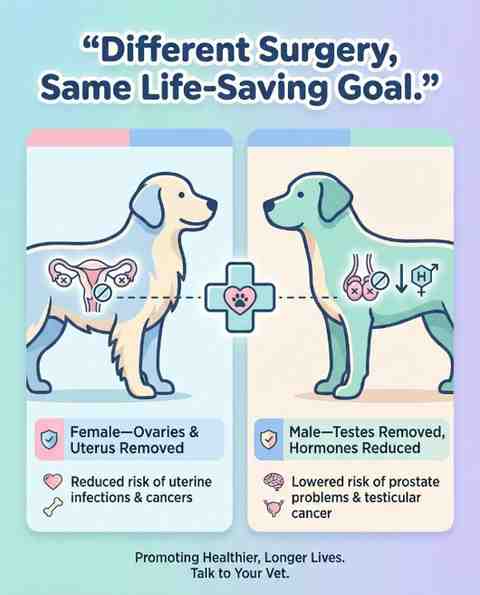
In veterinary terms:
- Spaying in dogs means surgically removing the ovaries, and usually the uterus, of female dogs.
- Castration in dog (commonly called neutering) means surgical removal of the testicles in male dogs.
Both procedures permanently stop reproduction and significantly reduce hormone production. The removal of these reproductive hormones is what leads to many of the health and behavioral benefits seen after sterilization in dogs.
These surgeries are performed under general anesthesia using sterile techniques and modern pain management.
| Aspect | Spaying (Female Dogs) | Neutering (Male Dogs) |
|---|---|---|
| What it means | Surgery to remove ovaries + usually uterus | Surgery to remove testicles |
| Also called | Ovariohysterectomy | Castration |
| Main goal | Stops heat cycles + prevents babies | Stops making babies + lowers male hormones |
| Procedure | Bigger cut in belly; more involved | Small cut near scrotum; simpler & quicker |
| Health benefits | Prevents deadly uterine infections/cancers | 100% stops testicular cancer/infections |
| Behavior changes | Ends messy heat cycles, less roaming to find mates | Less marking urine, less roaming/escaping, reduced mounting/humping |
| Example | Stops life-threatening infection like this pyometra case | Prevents painful enlarged prostate issues in older unneutered males |
Understanding Dog Reproductive Biology
When Do Dogs Become Sexually Mature?
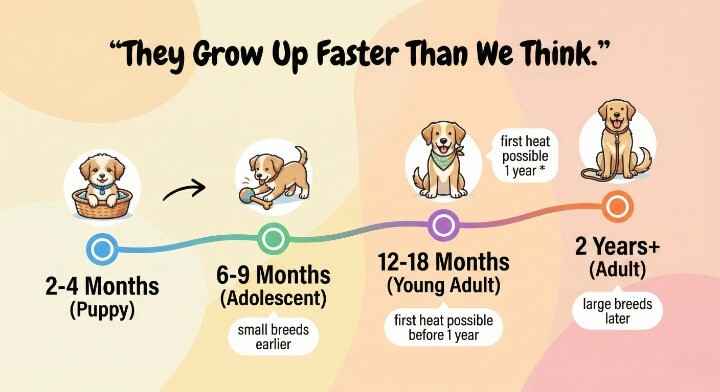
Sexual maturity varies by breed and size:
- Small breeds: around 6–9 months
- Medium breeds: around 8–12 months
- Large and giant breeds: 12–18 months
Once mature, females experience heat cycles, while males are capable of breeding year-round. This is why neutering in dog is important even when owners believe they can control their pet’s movements.
Why Accidental Pregnancies Are Common

Dogs can mate quickly, often in less than a minute. In clinical experience, many unplanned pregnancies happen when dogs escape briefly or during walks. Responsible sterilization in dogs prevents these stressful and costly situations.
What Happens During Spay and Neuter Surgery?
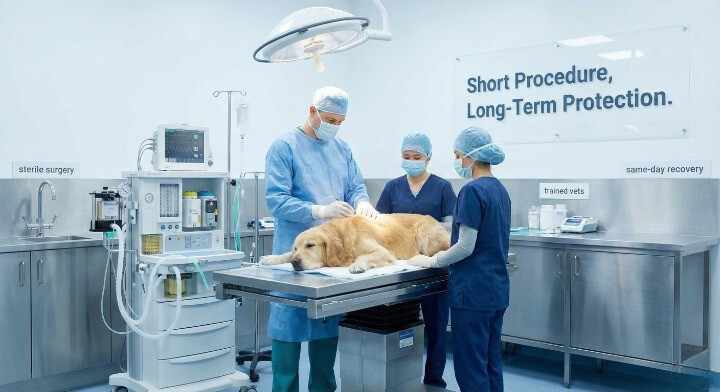
Surgical Procedures Explained
For female dogs, spaying in dogs involves a small abdominal incision to remove the reproductive organs. For males, castration in dog requires a small incision near the scrotum to remove the testicles.
The procedures are routine in veterinary practice and typically completed within an hour.
Anesthesia and Pain Management
Modern veterinary medicine uses:
- Pre-surgical examinations
- Blood screening when indicated
- Balanced anesthesia protocols
- Multimodal pain control
Most dogs experience only mild discomfort and return to normal behavior quickly after neutering in dog or spaying.
Health Benefits of Spaying Female Dogs
| Benefit | How much protection? |
|---|---|
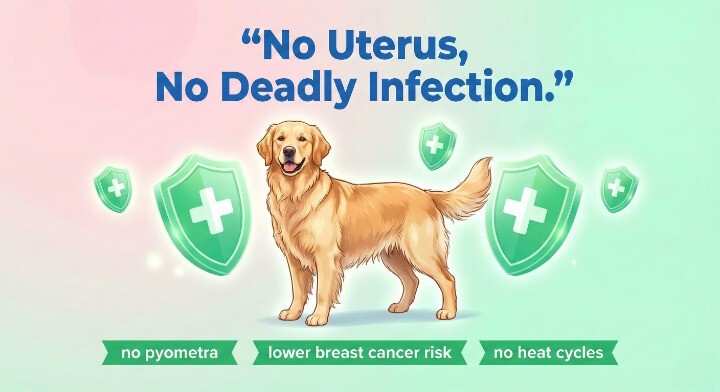
| Eliminates risk of pyometra | 100% prevention of this life-threatening uterine infection |
| Reduction of mammary (breast) tumors | Up to >99% reduction if spayed before first heat; still significant protection if done later (about 50% of mammary tumors are malignant/cancerous in intact dogs) |
| Remove risk of ovarian & uterine cancers | 100% prevention (removes the organs where these cancers originate) |
| Stop unwanted pregnancies | No accidental litters (major benefit for population control & owner convenience) |
| Eliminates heat cycles | No more bleeding, attraction of males, or behavioral changes during estrus (1–2 times/year) |
| Reduces roaming/escaping behavior | Less urge to seek mates, reducing risk of injury, accidents, or getting lost |
| May contribute to longer lifespan | Spayed females often live longer on average (studies show ~26% increase in life expectancy due to avoided reproductive diseases) |
| Other benefits | Eliminates false pregnancies; may reduce some hormone-related issues |
Health Benefits of Neutering Male Dogs

| Benefit | Explanation / How much protection? |
|---|---|
| Eliminates testicular cancer | 100% prevention (testicles are removed) |
| Dramatically reduces prostate problems | Greatly ↓ risk of benign prostatic hyperplasia, prostatitis, prostate abscess (may not fully prevent prostate cancer) |
| No more risk of perineal hernia | Very common in older intact males — almost completely prevented (rare in neutered males) |
| Strongly reduces risk of perianal adenoma | Very common benign (but messy) tumour around anus — hormone-dependent; greatly reduced or prevented with neutering |
| Eliminates unwanted pregnancies | No accidental puppies (big population control benefit) |
| Reduce roaming & escaping | Seen less desire to run away looking for females |
| Reduces some types of aggression | Especially dog-to-dog aggression & territorial marking (result varies by individual) |
| Decreases urine spraying/marking | Especially if neutered early |
| Lower risk of some hernias & infections | e.g. inguinal hernia, certain scrotal infections |
Behavioral Changes After Sterilization

Common Positive Changes
Owners often notice:
- Less roaming
- Reduced marking behavior
- Lower male-to-male aggression
- Decreased sexual behaviors
These benefits are most consistent after neutering in dog, but spaying also reduces restlessness in females.
Important Clinical Reality
While hormones influence behavior, training, environment, and genetics still matter. Sterilization in dogs is not a cure-all for behavior problems, but it often supports training efforts.
Community and Animal Welfare Benefits

From a public health standpoint, spaying in dogs and neutering in dog reduce:
- Stray dog populations
- Shelter overcrowding
- Disease transmission
- Dog bite incidents linked to roaming
Every sterilized dog prevents hundreds of potential future animals from being born into uncertain conditions.
Are There Risks to Spaying and Neutering?

Surgical Risks
All surgeries carry some risk, including:
- Bleeding
- Infection
- Anesthetic reactions
However, in healthy dogs, complication rates for sterilization in dogs are very low when performed by trained professionals.
Long-Term Health Considerations
Research suggests possible associations between early sterilization and:
- Joint disorders in large breeds
- Certain cancers in specific breeds
- Weight gain due to metabolic changes
This is why veterinarians now focus on individualized timing rather than universal age recommendations.
Choosing the Right Age for Spaying And Neutering Dogs
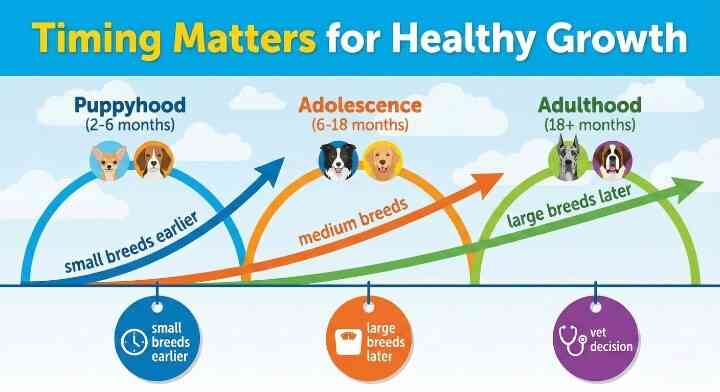
Choosing the right age for spaying and neutering dogs is one of the most common questions pet owners ask veterinarians.
Small Breeds
Often safely sterilized between 6–9 months.
Large and Giant Breeds
Many veterinarians recommend waiting until:
- 12–18 months to allow full skeletal development
In my clinical experience, delaying neutering in dog for large breeds can reduce orthopedic risks while still providing long-term health benefits.
Early vs Traditional Timing: Veterinary Perspective
Early-age sterilization helps prevent accidental pregnancies but may affect growth patterns in some dogs. Traditional timing allows full physical development but requires strict supervision to prevent breeding.
The best approach to spaying in dogs and castration in dog depends on:
- Breed
- Growth rate
- Living environment
- Owner management ability
Preparing Your Dog for Surgery

Veterinary Evaluation
Before sterilization in dogs, veterinarians perform:
- Physical examination
- Heart and lung assessment
- Blood tests when needed
Owner Responsibilities
- No food for 8–10 hours
- Maintain calm environment
- Follow veterinary instructions carefully
What to Expect After Surgery

First Day at Home
Your dog may be:
- Sleepy
- Slightly uncoordinated
- Less hungry
These are normal anesthesia effects after neutering in dog or spaying.
Wound Protection
Prevent licking using:
- Elizabethan collar
- Recovery suit
- Control too much movement/exercise
- Continue medication as suggested by vet for better healing
Monitor the incision daily.
Recovery and Healing Timeline
- Male dogs: usually normal in 3–5 days
- Female dogs: full recovery in 10–14 days
Activity must be limited to prevent wound complications after sterilization in dogs.
Managing Weight After Sterilization

Hormonal changes reduce calorie needs slightly. To prevent obesity:
- Reduce portion sizes
- Increase exercise
- Avoid high-calorie treats
Weight gain is preventable and not an automatic result of neutering in dog or spaying.
Special Cases and Medical Conditions

Senior Dogs
Spaying older females may still prevent pyometra but requires careful anesthesia evaluation.
Dogs with Chronic Illness
Heart disease, diabetes, or obesity require customized plans before sterilization in dogs.
Breeding Considerations
Ethical breeding requires health testing and responsible planning. Casual breeding is a major contributor to stray populations.
Cost and Access to Sterilization Services
Costs vary based on:
- Dog size
- Location
- Pre-surgical testing
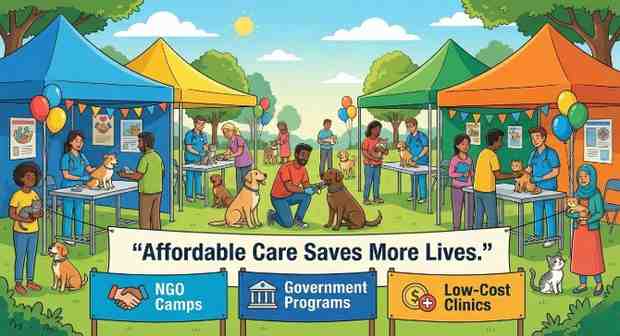
Many regions provide low-cost clinics to promote spaying in dogs and neutering in dog as public welfare strategies.
Common Myths Debunked by Veterinary Science
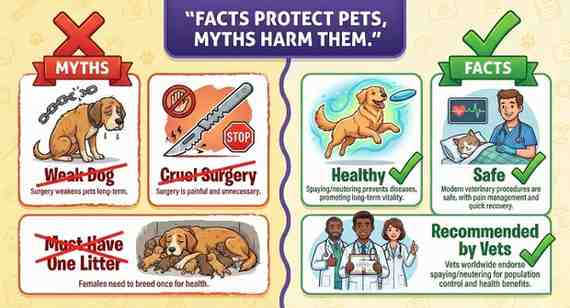
| Myth | Veterinary Fact |
|---|---|
| Causes automatic weight gain/obesity | No — weight gain comes from overfeeding & less exercise, not the surgery. Adjust diet & activity to keep them fit. |
| Females need one litter first (for health/emotional reasons) | No benefit — it’s emotional, not medical. Early spaying reduces mammary cancer risk by >90%; litters increase it. |
| Makes dogs less protective/”manly” or ruins personality | No — core personality & protective instincts stay the same (from genetics/training). Reduces hormone-driven issues like roaming/aggression; many become more focused. |
| Neutering fixes all behavior problems (e.g., all aggression) | Partial — helps hormone-related ones (marking, roaming, some dog-to-dog aggression); fear-based or learned behaviors need training. Not a cure-all. |
| Surgery is too risky/dangerous (especially older dogs) | Very safe — routine procedure with low complications (~2-6%). Modern anesthesia/pain control; benefits (prevent pyometra, testicular cancer) outweigh minimal risks. |
| Always chance of cancer/joint risks (or eliminates all) | Depends on breed & timing — reduces testicular/ovarian/uterine cancers, greatly reduces mammary. In some large breeds, early neutering may slightly raise certain risks (e.g., joints/cancers) — individualized vet advice is key. |
FAQs On Spaying and Neutering Dogs
Does spaying or neutering change a dog’s behavior?
Yes, it often reduces roaming, aggression, mounting, and marking, especially in males. It does not change the dog’s basic personality or intelligence.
Will my dog gain weight after surgery?
Weight gain is not caused by surgery itself, but by reduced calorie needs after hormone changes. Proper diet and regular exercise prevent obesity.
Should a female dog have one litter before spaying?
No. There is no proven health benefit to having a litter before spaying. Early spaying actually provides better protection against mammary cancer.
Does spaying or neutering help control stray dog population?
Yes. It is the most effective way to reduce unwanted litters, shelter overcrowding, and abandonment, improving overall animal welfare.
Can older dogs be spayed or neutered safely?
Yes. Healthy adult and senior dogs can be sterilized safely after proper pre-surgical blood tests and clinical evaluation by a veterinarian.
Does sterilization affect a dog’s immunity or strength?
No. It does not weaken the immune system or physical strength. With proper nutrition and exercise, sterilized dogs remain equally active and healthy.
Will my dog still go into heat after being spayed?
No. Once spayed, female dogs will not have heat cycles and will not show heat-related behaviors or bleeding.
Can spayed or neutered dogs still mate?
They may show mounting behavior occasionally, but fertility is eliminated, so pregnancy cannot occur.
Is chemical sterilization an alternative to surgery?
Temporary hormonal methods exist, but they have side effects and lower reliability. Surgical sterilization remains the safest and most permanent option.
