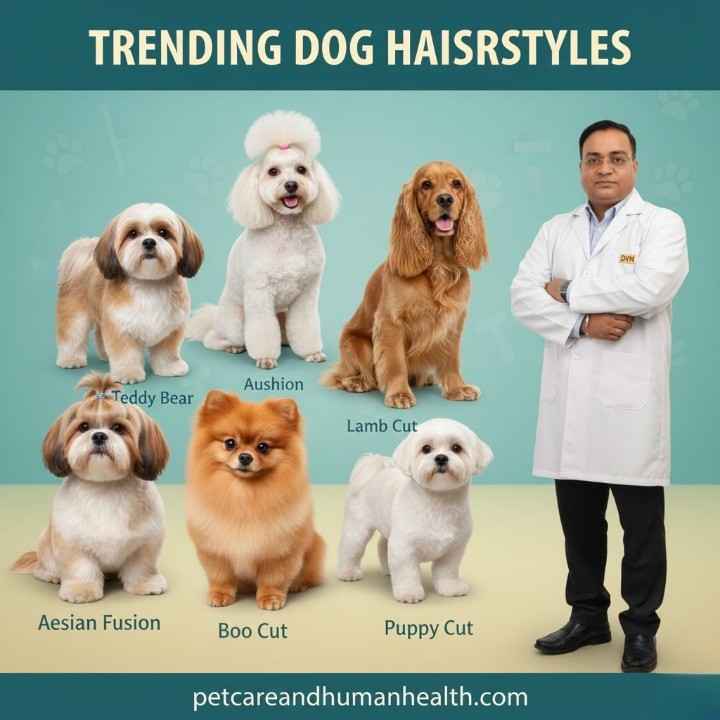
Stylish Dog Hairstyles are no longer just about looks—today’s trends prioritize skin safety, seasonal comfort, and practical grooming for modern pet parents.
Table of Contents
Introduction: “Should My Dog Get a Haircut—or a Hairstyle?”
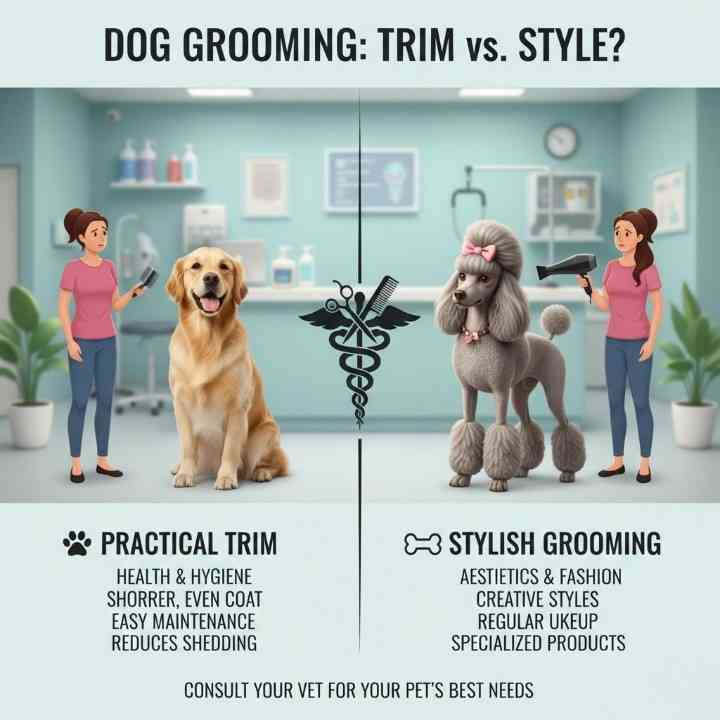
As a veterinarian, I regularly see skin infections, painful matting, and coat damage caused not by neglect, but by incorrect grooming choices. This guide is written to help pet parents choose vet-approved safe dog haircuts that are safe, smart, and suitable for their dog’s breed, coat, and lifestyle.
Why Dog Hairstyles Matter More Than You Think

A dog’s coat is a living organ system. It provides:
- Thermal regulation
- Protection from UV radiation
- Defense against parasites and skin trauma
In my clinical practice, I frequently treat issues such as hot spots, fungal dermatitis, and painful matting—many caused by incorrect grooming choices, not neglect.
A well-planned hairstyle balances:
- Health and hygiene
- Climate suitability
- Lifestyle needs
- Owner maintenance capacity
Understanding Coat Types: The Foundation of Any Dog Hairstyle

Before choosing a style, it is essential to understand your dog’s coat type.
Single-Coat Dogs
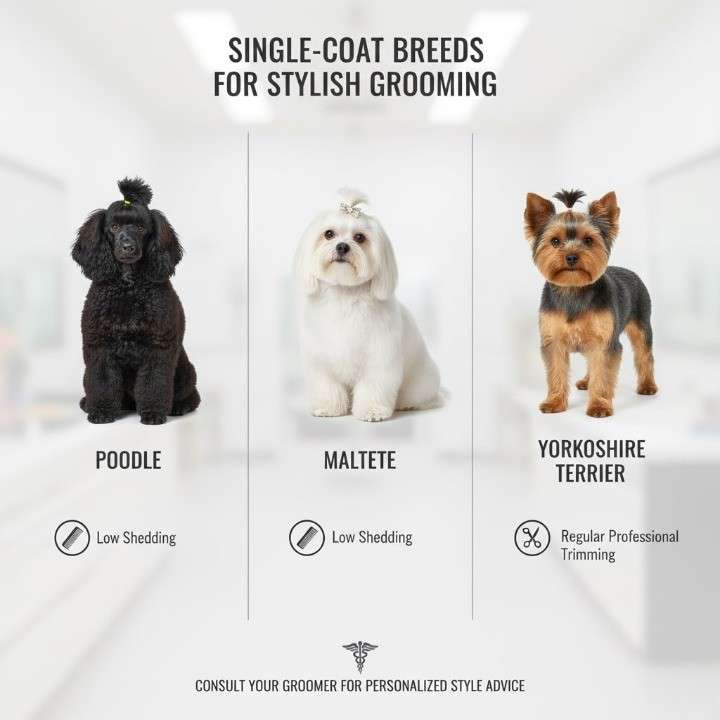
Single-coat dogs have continuously growing hair with minimal shedding, making them ideal for dog grooming styles that involve regular trimming and creative shaping. Their coats are easier to manage but require consistent grooming to prevent matting and maintain skin hygiene.
- Hair grows continuously
- Minimal shedding
- Require regular trimming
- Ideal for creative and stylish cuts
Examples:
- Poodle
- Maltese
- Yorkshire Terrier
- Shih Tzu
- Havanese
Double-Coat Dogs
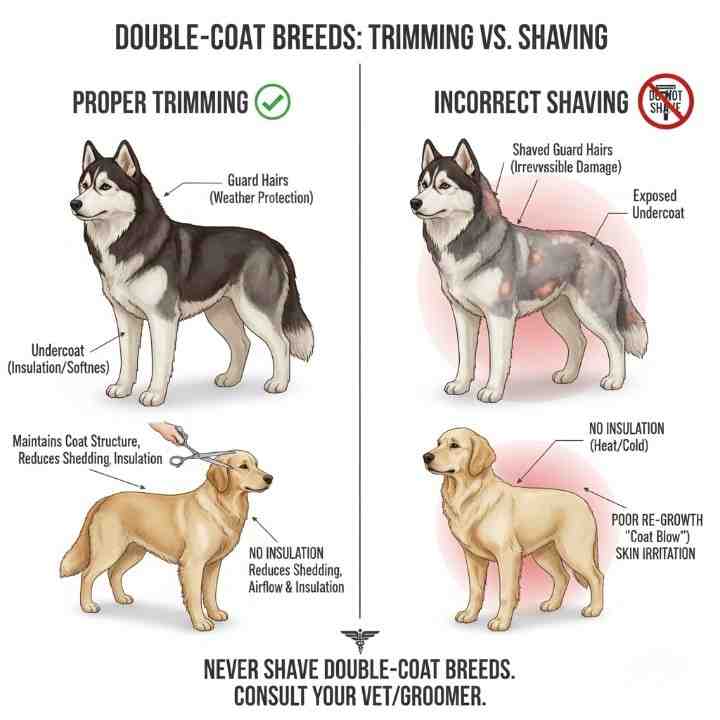
Double-coat dogs possess a dense undercoat and protective outer coat.Dog hairstyles for these breeds focus on de-shedding and trimming rather than shaving, as the coat plays a vital role in temperature regulation and skin protection throughout the year.
- Dense undercoat + guard hairs
- Seasonal shedding
- Should never be shaved completely
- Styling focuses on trimming and de-shedding, not shortening
- Examples:
- Siberian Husky
- Golden Retriever
- German Shepherd
- Pomeranian
- Akita
Curly, Wavy, Silky, and Wire Coats
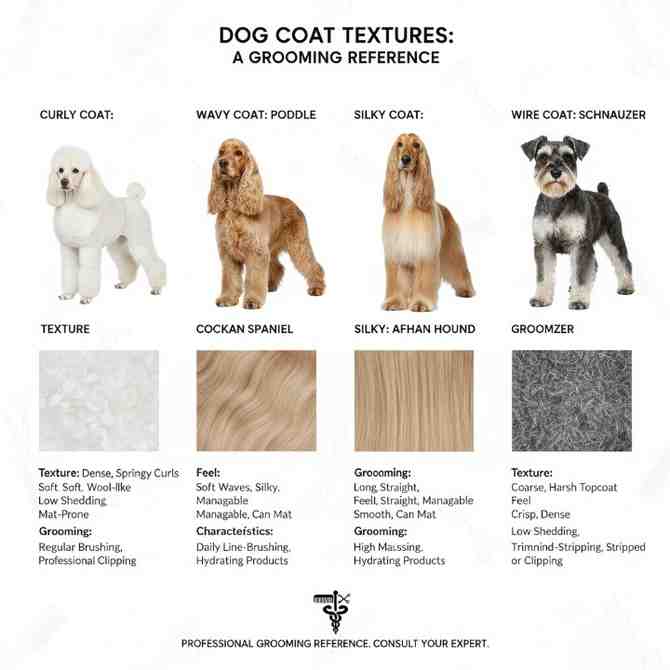
Curly coats trap moisture and debris, so dog haircuts for these dogs emphasize structured trims that improve airflow and reduce skin infections. Regular grooming is essential to prevent matting, ear problems, and fungal dermatitis in humid climates.
Each coat texture reacts differently to scissors, clippers, and climate. In veterinary dermatology, coat texture strongly influences:
- Skin airflow
- Moisture retention
- Risk of fungal and bacterial infections
Examples:
- Poodle
- Bichon Frise
- Lagotto Romagnolo
- Portuguese Water Dog
- Curly-Coated Retriever
Factors to Consider Before Choosing a Stylish Dog Hairstyle
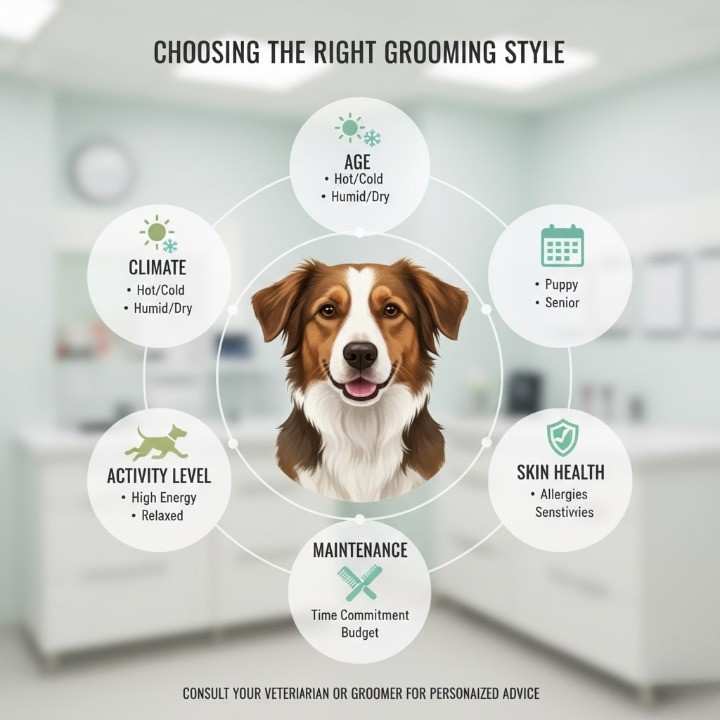
From a medical standpoint, these factors are critical:
- Climate: Hot, humid regions require airflow-focused styles
- Age: Puppies and seniors need low-stress grooming
- Activity level: Active dogs benefit from practical trims
- Skin conditions: Allergies, mange, or infections require medical-friendly cuts
- Owner commitment: Some styles demand daily brushing
I often advise owners to choose the most practical stylish option, not the most dramatic one.
Short and Practical Dog Hairstyles
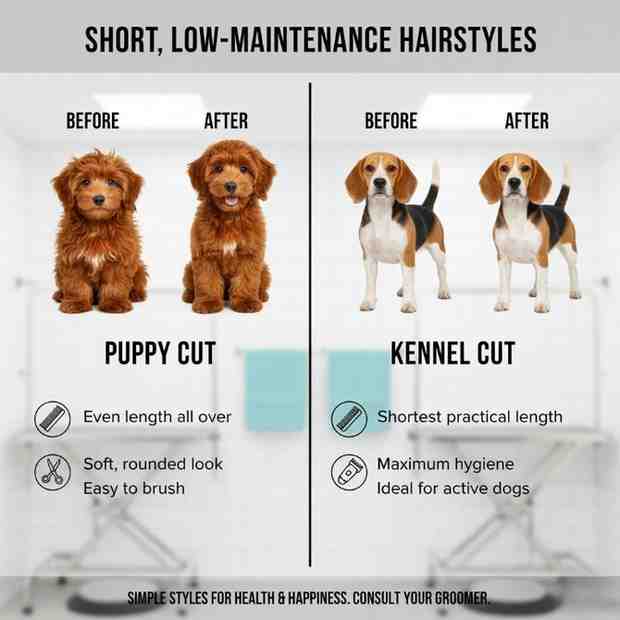
These are ideal for most household pets:
- Puppy Cut:
- Even length all over
- Low maintenance
- Reduces matting and skin issues
- Kennel Cut:
- Functional and hygienic
- Ideal for active or outdoor dogs
- Summer Comfort Trim:
- Shortened body, protected skin
- Never shaved to bare skin
These cuts are frequently recommended in veterinary clinics for dogs prone to skin problems.
Medium-Length Stylish Hairstyles: Balance of Beauty and Comfort
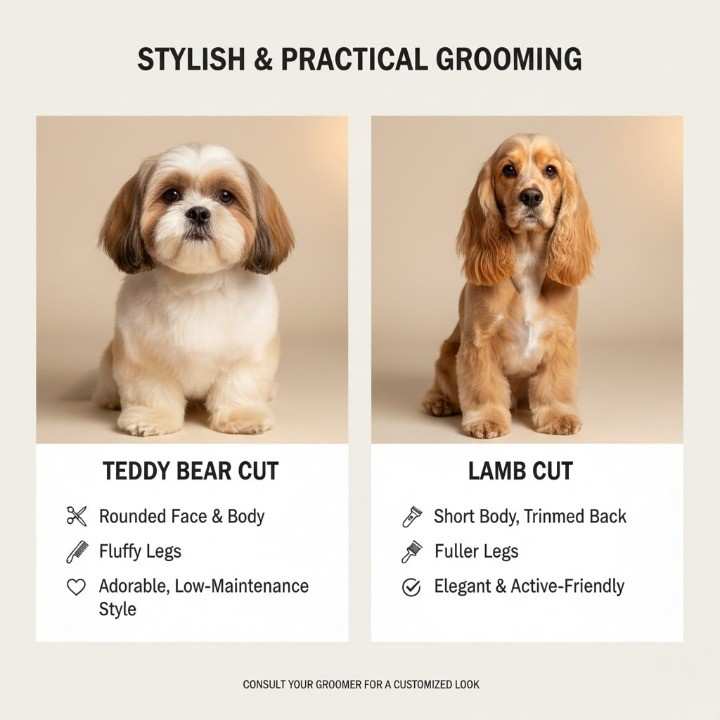
Medium trims work well when owners can manage brushing:
- Teddy Bear Style: Rounded face, soft finish
- Lamb Cut: Short body, fuller legs
- Utility Trim: Clean lines with practical length
These styles are commonly requested after recovery from skin infections because they allow airflow without exposing skin.
Long and Elegant Dog Hairstyles: When Done Responsibly
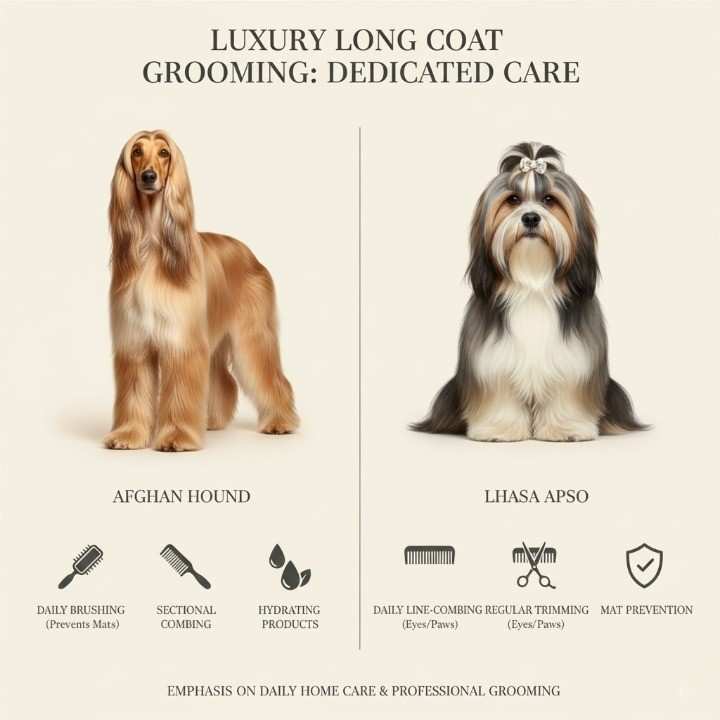
Long coats can be beautiful—but only with commitment.
- Daily brushing is non-negotiable
- Regular ear, paw, and sanitary trims are essential
- Mats near the skin can cause pain equivalent to chronic traction injuries
From experience, many long-coat dogs end up needing medical clipping due to severe matting. Style should never compromise welfare.
Curly-Coated Dogs: Styling Without Skin Damage
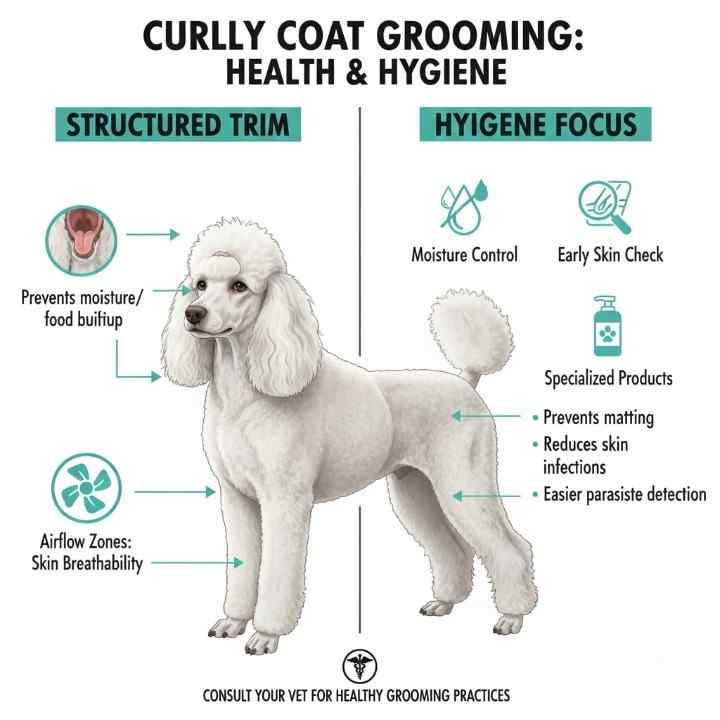
Curly coats trap moisture easily. I often see:
- Yeast infections
- Moist dermatitis
- Ear infections linked to poor grooming
Best practices include:
- Structured curls, not dense mats
- Clear eye and ear areas
- Regular professional grooming
Double-Coated Dogs: What Vets Want You to Know
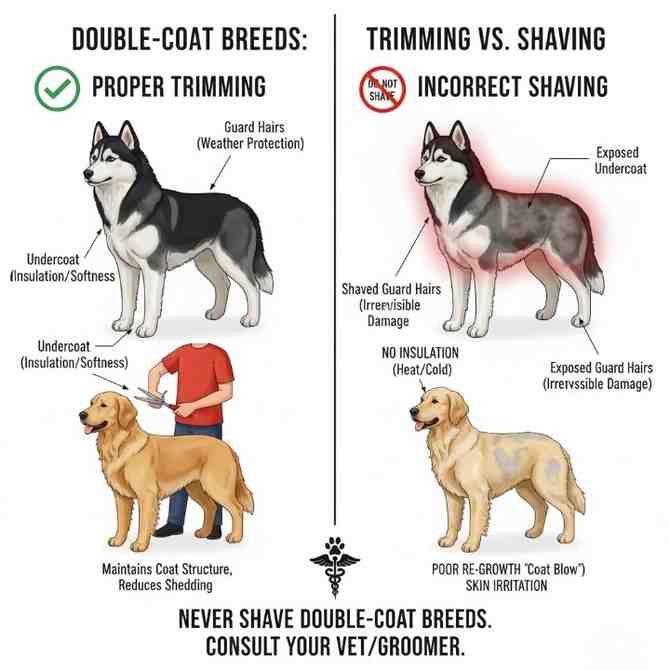
A critical veterinary message: Do not shave double-coated dogs.
Medical risks of shaving include:
- Heat intolerance
- Patchy regrowth (coat damage)
- Increased sunburn risk
Healthy styling focuses on:
- De-shedding
- Feather trimming
- Sanitary and paw maintenance
Trendy and Creative Dog Hairstyles: Are They Safe?
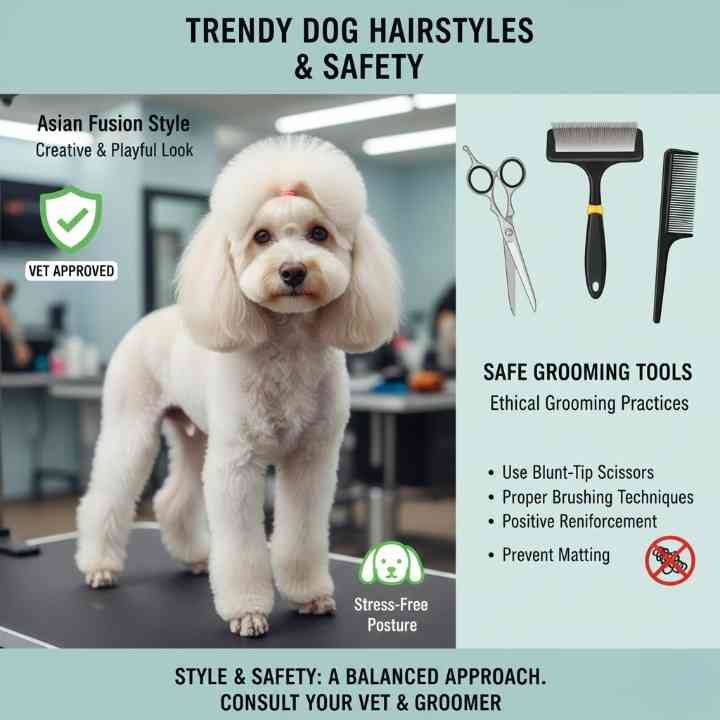
Creative styles like rounded faces or sculpted coats can be safe if:
- No dyes irritate the skin
- No excessive heat tools are used
- Grooming sessions are stress-managed
As a vet, I discourage any style that causes anxiety, skin irritation, or restricted movement.
Seasonal Grooming: A Veterinary Approach
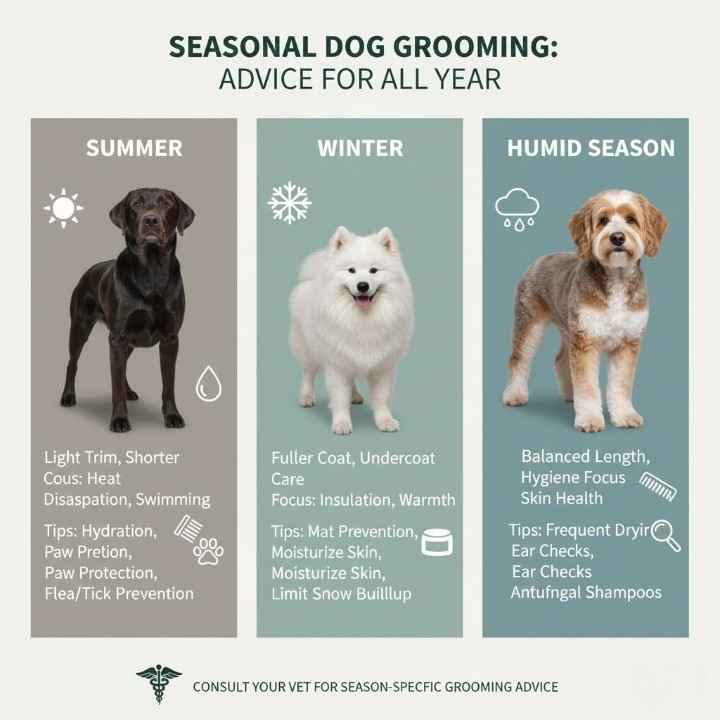
- Summer: Shorter length, never bald
- Winter: Maintain coat density, trim hygiene areas
- Monsoon/Humidity: Frequent trims to prevent fungal infections
Seasonal coat management reduces veterinary visits significantly.
Puppies, Adults, and Senior Dogs: Styling by Life Stage
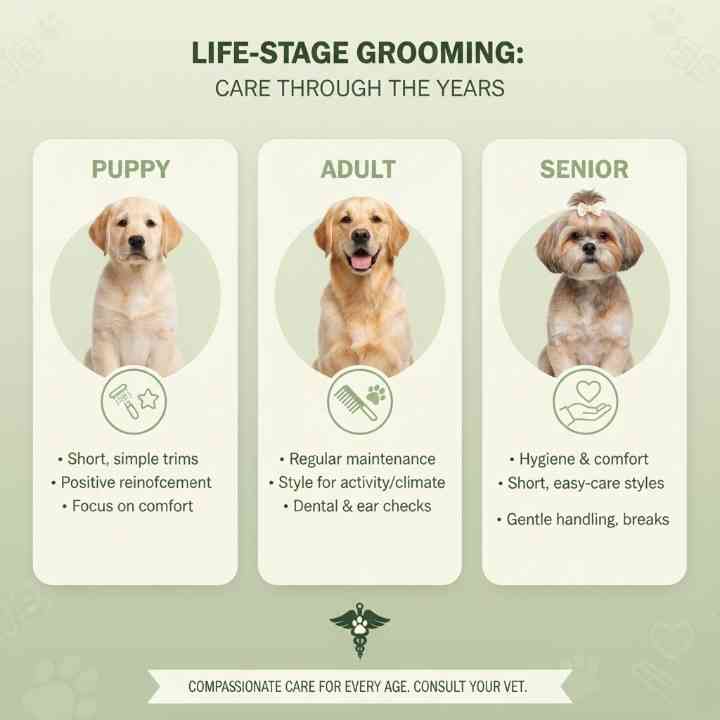
- Puppies: Gentle, short sessions, simple cuts
- Adults: Style based on lifestyle and coat health
- Seniors: Comfort-first grooming, arthritis-friendly positioning
In older dogs, grooming is often adjusted due to joint pain or heart conditions.
Home Grooming vs Professional Grooming
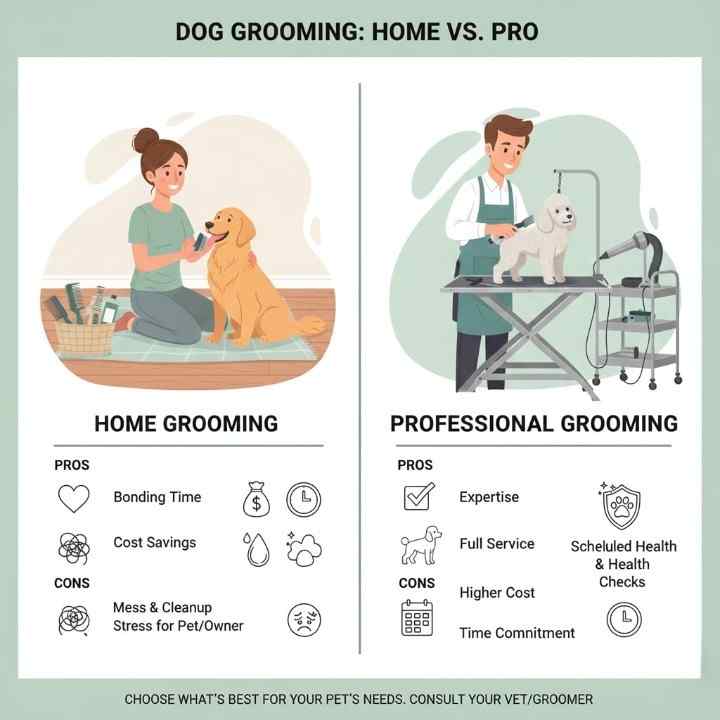
From practice, I recommend:
- Home grooming for brushing and maintenance
- Professional grooming for structured styles
- Veterinary consultation if skin lesions are present
Never groom over infected or inflamed skin without veterinary guidance.
Common Grooming Mistakes I See in Practice
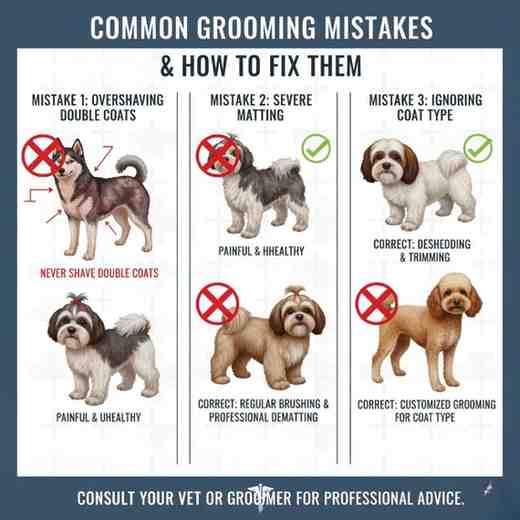
- Shaving for “cooling”
- Ignoring coat type
- Delaying grooming until severe matting forms
- Choosing style over comfort
Most grooming-related skin diseases are preventable.
Summary: Choosing the Right Stylish Dog Hairstyle
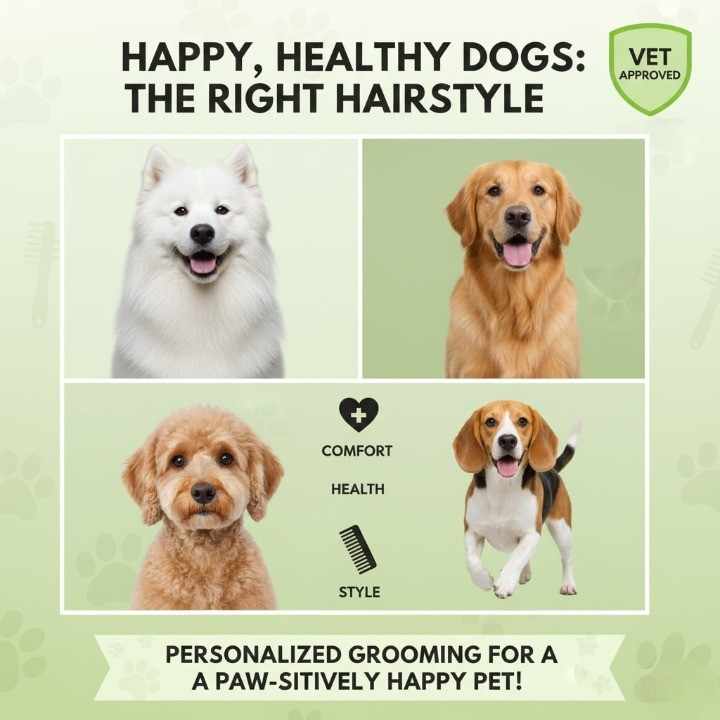
A stylish dog hairstyle should:
- Support skin and coat health
- Match climate and lifestyle
- Be manageable for the owner
- Keep the dog comfortable and stress-free
Fashion should always follow function.
Frequently Asked Questions (FAQs)
Are stylish dog hairstyles safe for my dog’s health and comfort?
Yes, if the haircut is comfortable and not too tight or heavy. It should not pull the skin, block vision, or cause heat stress.
How do I choose a hairstyle that suits my dog’s breed and coat type?
Choose styles made for your dog’s coat. Curly coats need regular trims, while double coats should only be lightly shaped, not shaved.
Do long or fashionable hairstyles increase the risk of skin problems or matting?
Yes, if not brushed regularly. Long hair can trap dirt, moisture, and parasites, leading to itching and skin infections.
How often does a dog with a stylish haircut need professional grooming?
Most stylish cuts need grooming every 4–6 weeks, plus regular brushing at home to prevent mats.
Are certain dog hairstyles better for hot or cold climates?
Yes. Shorter, breathable styles are better in summer. In winter, leave enough coat for warmth—never shave fully in cold weather.
Can puppies have stylish haircuts, or should grooming be minimal at a young age?
Puppies should start with light trimming and basic grooming only. Heavy styling should wait until the coat fully develops.
Are trendy dog hairstyles suitable for senior dogs or dogs with arthritis?
Simple, low-maintenance styles are best. Long grooming sessions or standing too long can cause pain in older dogs.
Is it safe to color or dye a dog’s fur for cosmetic styling purposes?
Only use pet-safe, vet-approved dyes. Never use human hair dye, as it can cause skin burns and poisoning.
What is the difference between a functional cut and a purely decorative hairstyle?
A functional cut keeps the dog clean and comfortable. Decorative styles focus on looks and need extra care and maintenance.
Should double-coated breeds (like Huskies or Golden Retrievers) get stylish trims at all?
They should not be shaved. Only light trimming is safe. Shaving can cause overheating and permanent coat damage.
