Wolf dogs are powerful and intelligent animals with a strong wild side. They can be loyal but need understanding, patience, and experience. They are beautiful, complex, and not suitable for everyone.
Table of Contents
1.What Is a Wolf Dog
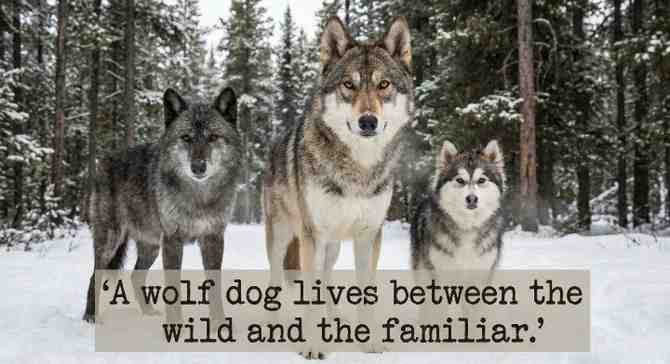
A wolf dog is a hybrid animal that has both wolf and domestic dog ancestors. It can look and act partly like a wolf and partly like a dog, and its behavior is often less predictable than normal pet dogs.A wolf dog (or wolf–dog hybrid) is usually created by breeding a wolf or high‑wolf animal with a domestic dog such as a German Shepherd, Husky, or Malamute.
1.1 Differences Between Wolves, Dogs and Wolf Dogs
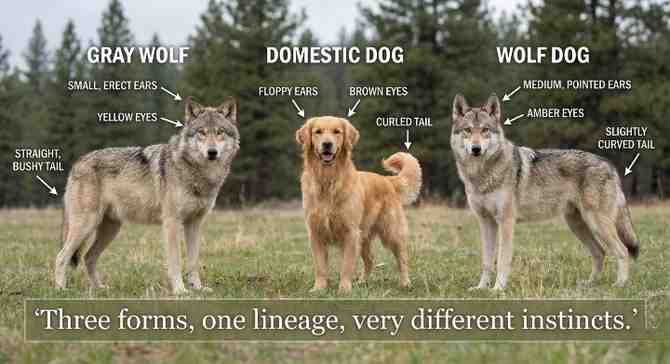
| Features | Wolves (wild) | Dogs (domestic) | Wolf-dogs (wolf × dog hybrids) |
|---|---|---|---|
| Ancestry | 100% pure wild wolf | Fully domesticated, thousands of generations away from wolves | Mix of wolf and dog – can be low-content (mostly dog), mid-content, or high-content (mostly wolf) |
| Body build | Built for endurance: long legs, deep but narrow chest, big feet, large head | Huge variety – from 3 lb Chihuahuas to 200 lb Mastiffs | Usually tall and athletic, often look “wolfy” – big head, long legs, narrower chest than most dogs |
| Typical personality | Extremely shy of humans, strong prey drive, pack-oriented | Bred to enjoy human company, playful, usually eager to please | Unpredictable blend: may bond hard with one person but be terrified of strangers, stubborn, or food-aggressive |
| Life with humans | Not pets – belong in the wild or in professional sanctuaries | The classic family pet, working partner, couch potato, etc. | Almost never works out as a normal pet; escape artists, destructive, and can flip from sweet to fearful in seconds |
| Trainability | Intelligent but has zero interest in obeying humans – survival comes first | Many breeds live to learn and work with people | Can learn tricks and basic obedience, but high-content ones often ignore you when something more interesting appears |
| Legal status | Protected wildlife – illegal to own privately in most places | Legal everywhere (some breed bans exist) | Heavily restricted or outright banned in many countries, states, and cities – rules vary wildly |
| Best home | Wild populations or accredited sanctuaries only | Houses, apartments, farms – whatever fits the breed | Almost always a bad idea for private owners; need huge secure enclosures, lifelong commitment, and serious experience |
2.Origins and Background
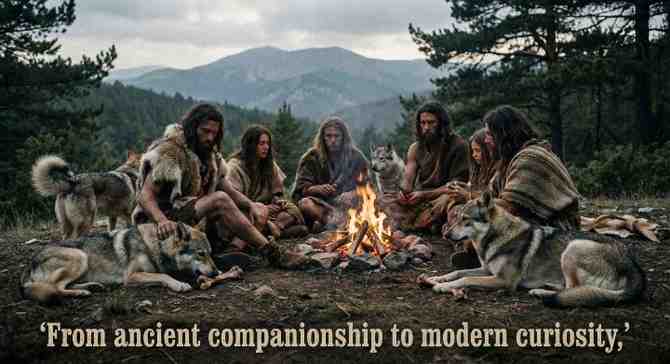
Thousands of years ago, wild wolves started living near human camps, feeding on leftovers and slowly becoming less fearful of people. Over time, humans favored calmer, more helpful wolves, and this process produced the first dogs from wolf-like ancestors.
Natural wolf–dog matings probably happened wherever village dogs and wild wolves lived close together, so hybrids have likely existed since prehistoric times, even if no one bred them on purpose.
In the 1900s, some countries deliberately created wolf‑dog breeds (like the Czechoslovakian Wolfdog and Saarloos Wolfdog) by crossing wolves with German Shepherd–type dogs to combine endurance, strength, and trainability.
2.1Modern popularity and media influence
Today, wolf dogs attract attention because they look dramatic and “wild,” and some people like the idea of owning an animal that seems closer to a wolf than a normal dog.
Movies, fantasy shows, and social media accounts with wolf‑like dogs (for example, wolf‑looking “influencer” pets and “direwolf‑style” dogs) have made hybrids trendier, which has increased demand but also raised conservation and welfare concerns.
3.Wolf Dog Genetics
3.1 Understanding Wolf Content Percentage
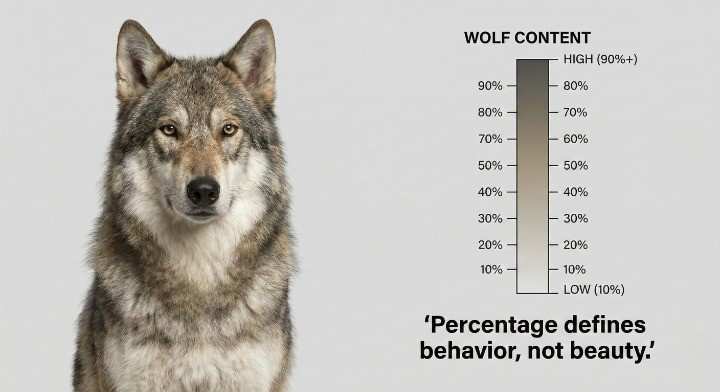
Wolf content percentage is an estimate of how much wolf ancestry a wolf dog carries. It reflects how many generations separate the animal from a pure wolf. A higher percentage usually means stronger wolf influence in behavior, instincts and appearance, but it is still only an estimate.
3.2 Low Content, Mid Content and High Content Hybrids
Low-content hybrids look and act more like domestic dogs. Mid-content animals show a mix of dog and wolf traits, which can make their behavior less predictable. High-content wolf dogs closely resemble wolves in looks, instincts and social patterns and often need experienced handling and secure housing.
3.3 Limitations of DNA Testing for Wolf Dogs
Most commercial DNA tests struggle to measure wolf ancestry accurately. Many tests are built around dog breed markers, not wolf genetics. This can lead to false readings or wide variations in reported wolf content. Reliable results usually need more advanced testing, which is not widely available.
3.4 How Genetics Affect Appearance and Behavior
Genetics shape everything from coat color and eye shape to social instincts and reactivity. A wolf dog with stronger wolf genetics may show higher flight tendency, strong pack bonding, seasonal behaviors and lower tolerance for confinement. Dogs with more domestic influence tend to be easier to train and adapt better to home life.
4.Types of Wolf Dogs
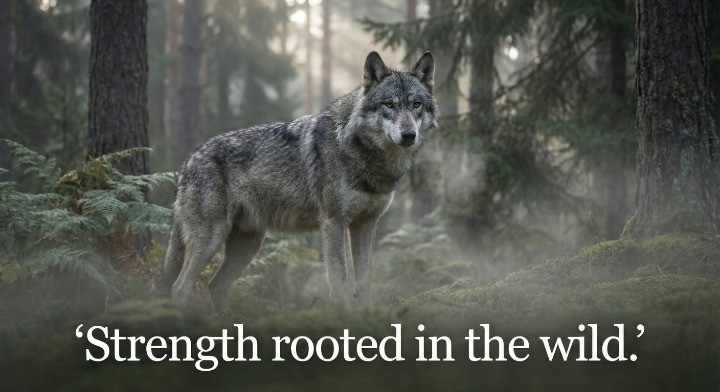
4.1 Gray Wolf Hybrids
| Feature | Brief Info |
|---|---|
| Origin | Crosses involving the Gray Wolf and domestic dogs |
| Breeds Involved | Often German Shepherd, Husky, Malamute |
| Coat Colors | Gray, black, white, sable |
| Health Issues | Hip dysplasia, digestive sensitivity |
| Weight & Height | 30–50 kg; 24–32 in |
| Temperament | Shy, alert, strong prey drive |
| Availability | Limited; regulated in many regions |
| Cost | Moderate to high depending on wolf content |
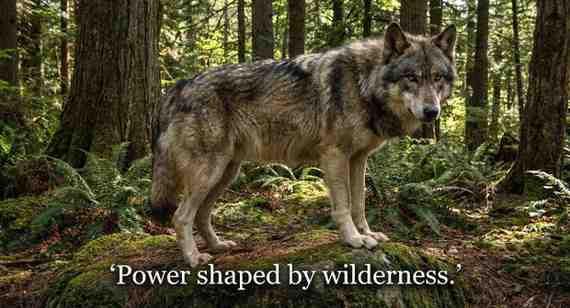
4.2 Timber Wolf Hybrids
| Feature | Brief Info |
|---|---|
| Origin | North American Timber Wolf crossed with domestic dogs |
| Breeds Involved | Shepherds, Malamutes, Huskies |
| Coat Colors | Brown-gray, black, cream |
| Health Issues | Joint issues, thyroid problems |
| Weight & Height | 35–55 kg; 26–33 in |
| Temperament | Independent, cautious with strangers |
| Availability | Hard to find; strict ownership rules |
| Cost | Higher due to rarity |
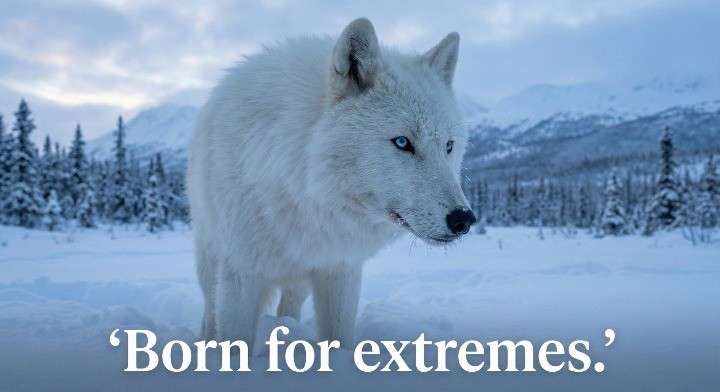
4.3 Arctic Wolf Hybrids
| Feature | Brief Info |
|---|---|
| Origin | Arctic Wolf combined with northern dog breeds |
| Breeds Involved | Husky, Malamute |
| Coat Colors | White, cream, pale gray |
| Health Issues | Cold-climate coat issues in warm regions |
| Weight & Height | 30–45 kg; 24–32 in |
| Temperament | Reserved, sensitive, strong bonding |
| Availability | Rare; mostly specialty breeders |
| Cost | High to very high |
4.4 Eastern Wolf Hybrids
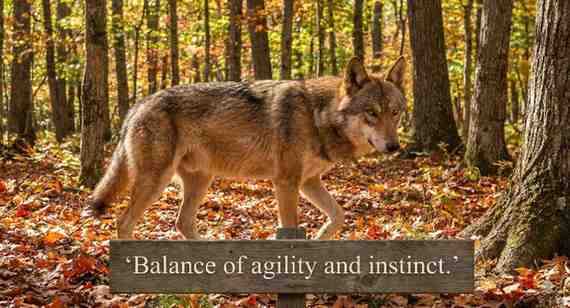
| Feature | Brief Info |
|---|---|
| Origin | Crosses involving the Eastern Wolf of Canada |
| Breeds Involved | Shepherd lines, spitz-type breeds |
| Coat Colors | Reddish gray, brown, black |
| Health Issues | Hip dysplasia, anxiety-related issues |
| Weight & Height | 25–40 kg; 24–30 in |
| Temperament | Timid, loyal within the family group |
| Availability | Very rare |
| Cost | High due to limited breeding |
4.5 Husky Wolf Dogs
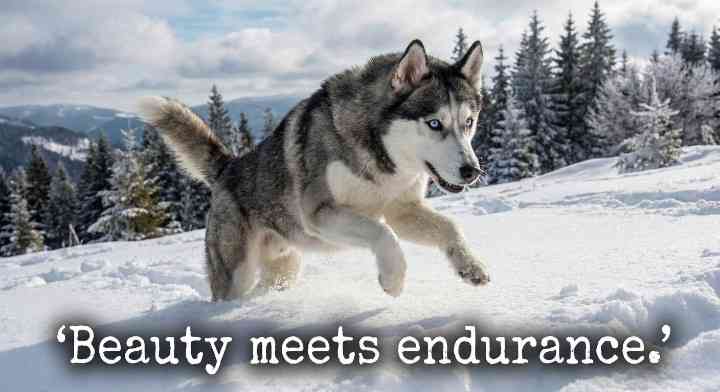
| Feature | Brief Info |
|---|---|
| Origin | Siberian Husky crossed with wolf lines |
| Breeds Involved | Husky + various wolf ancestry |
| Coat Colors | Gray, black, white, agouti |
| Health Issues | Eye issues, joint problems |
| Weight & Height | 25–40 kg; 22–30 in |
| Temperament | Energetic, alert, escape-prone |
| Availability | Fairly common among wolf dog breeders |
| Cost | Moderate to high |
4.6 German Shepherd Wolf Dogs
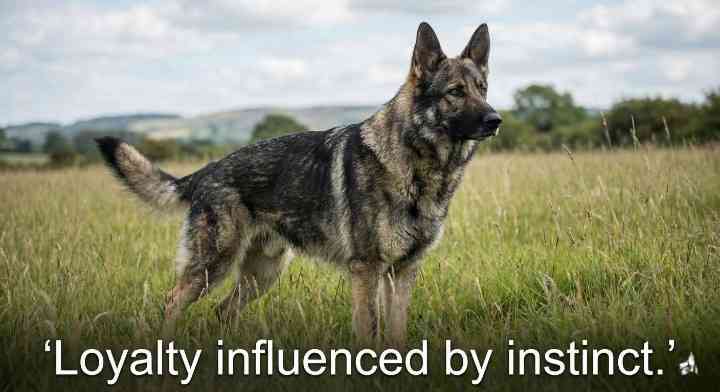
| Feature | Brief Info |
|---|---|
| Origin | German Shepherd crossed with wolves |
| Breeds Involved | German Shepherd + wolf lines |
| Coat Colors | Sable, black and tan, gray |
| Health Issues | Hip dysplasia, anxiety issues |
| Weight & Height | 30–45 kg; 24–31 in |
| Temperament | Intelligent, cautious, needs steady training |
| Availability | Common in wolf dog breeding programs |
| Cost | Moderate to high |
4.7 Czech Wolf Dogs
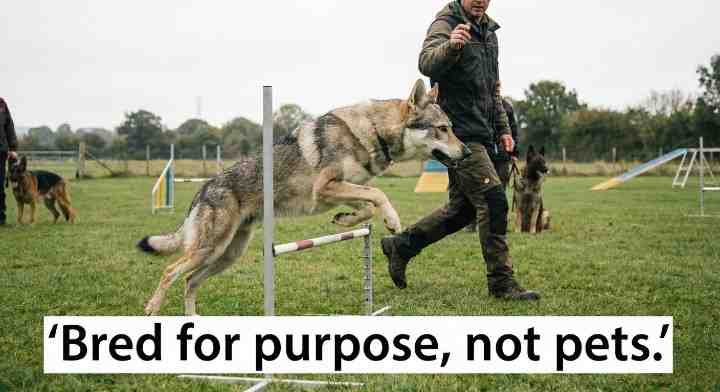
| Feature | Brief Info |
|---|---|
| Origin | Czechoslovakia (working military project) |
| Breeds Involved | Carpathian Wolf + German Shepherd |
| Coat Colors | Gray, silver, cream |
| Health Issues | Hip dysplasia, degenerative myelopathy |
| Weight & Height | 20–30 kg; 24–26 in |
| Temperament | Brave, energetic, highly social |
| Availability | Available through registered breeders |
| Cost | Medium to high |
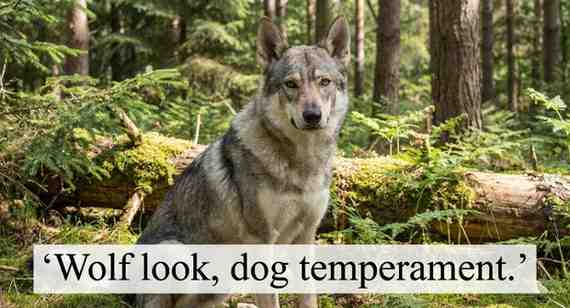
4.8 Tamaskan Dogs
| Feature | Brief Info |
|---|---|
| Origin | Finland; created to look wolf-like |
| Breeds Involved | Husky, Malamute, Shepherd mixes |
| Coat Colors | Wolf gray, red gray, black gray |
| Health Issues | Epilepsy, hip issues |
| Weight & Height | 23–40 kg; 24–28 in |
| Temperament | Friendly, trainable, family oriented |
| Availability | Widely available; not a true wolf hybrid |
| Cost | Moderate |
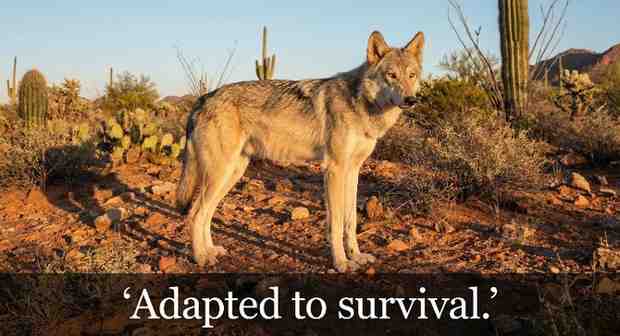
4.9 Mexican Wolf Dogs
| Feature | Brief Info |
|---|---|
| Origin | Mexican Gray Wolf crossed with domestic dogs |
| Breeds Involved | Shepherds and northern breeds |
| Coat Colors | Light brown, gray, black mix |
| Health Issues | Fragile immunity, stress sensitivity |
| Weight & Height | 25–35 kg; 24–30 in |
| Temperament | Nervous, alert, forms strong bonds |
| Availability | Extremely rare; often restricted |
| Cost | Very high |
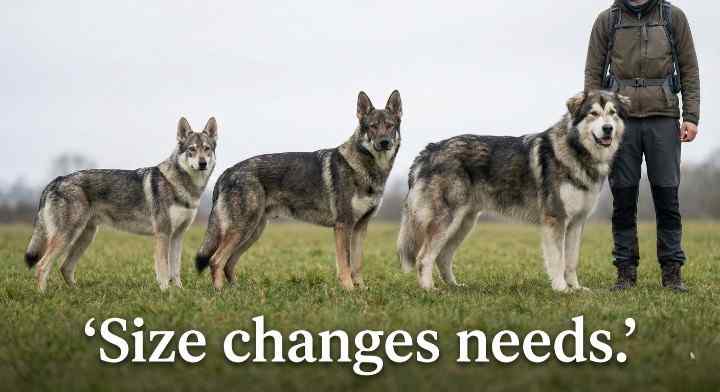
4.10 Distinguishing Large, Giant and Medium Wolf Dog Breeds
| Size Category | Brief Info |
|---|---|
| Medium Wolf Dogs | Usually 20–30 kg. Moderate wolf content. Easier handling. Examples include Tamaskan, Czech Wolfdog. |
| Large Wolf Dogs | Usually 30–45 kg. Stronger wolf traits. More demanding care and secure housing. Examples include Gray Wolf hybrids and GSD wolf dogs. |
| Giant Wolf Dogs | Over 45 kg. Often high-content lines. Very rare and require experienced handling with reinforced enclosures. |
5. Physical Characteristics
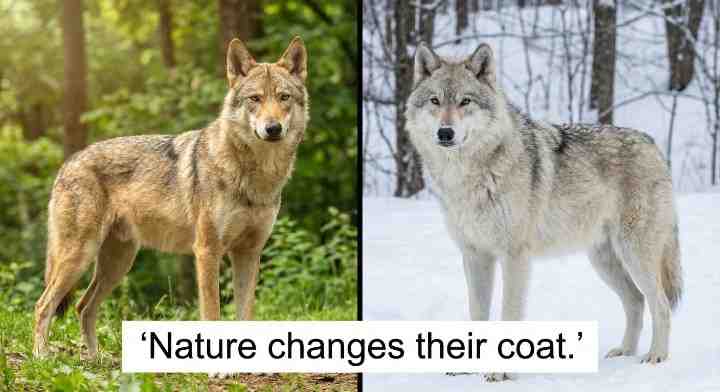
5.1 Coat Types and Seasonal Changes
| Feature | Description |
|---|---|
| Coat Type | Dense double coat similar to wolves; varies by wolf content |
| Texture | Medium to coarse; low-content dogs may have softer coats |
| Seasonal Shedding | Heavy shedding in spring and autumn |
| Winter Coat | Thicker undercoat, longer guard hairs |
| Summer Coat | Lighter, shorter, less insulating |
5.2 Body Structure and Size Variations
| Feature | Description |
|---|---|
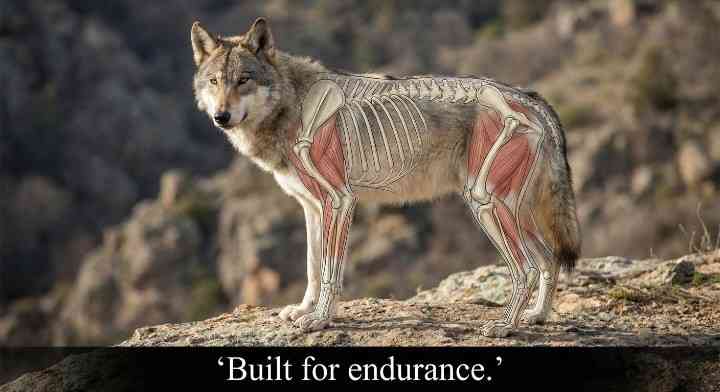
| Overall Build | Lean, athletic, long-legged; varies by wolf content |
| Height | Medium lines 24–28 in; high-content lines 28–33 in |
| Weight | 25–45 kg depending on ancestry |
| Chest & Ribcage | Narrower than most domestic dogs |
| Gait | Smooth, efficient, long stride similar to wolves |
5.3 Eye Color, Face Shape and Tail Features
| Feature | Description |
|---|---|
| Eye Color | Amber, yellow and brown; blue is uncommon except in Husky mixes |
| Face Shape | Longer muzzle, sharper facial angles in high-content hybrids |
| Ears | Upright, triangular, with slight forward tilt |
| Tail | Brush-like, often held low; rarely curls upward like domestic dogs |
5.4 Differences by Wolf Content Level
| Wolf Content Level | Physical Traits |
|---|---|
| Low Content | More dog-like build, softer coat, wider face, varied colors |
| Mid Content | Balanced wolf and dog features, leaner frame, sharper muzzle |
| High Content | Strong wolf resemblance, long legs, narrow chest, dense coat, pale eye shades |
| Very High Content | Nearly wolf-like appearance with seasonal coat shifts and strong muscle definition |
6.Differences Between Wolf Dogs and Domestic Dogs
| Feature | Wolf Dogs | Domestic Dogs |
|---|---|---|
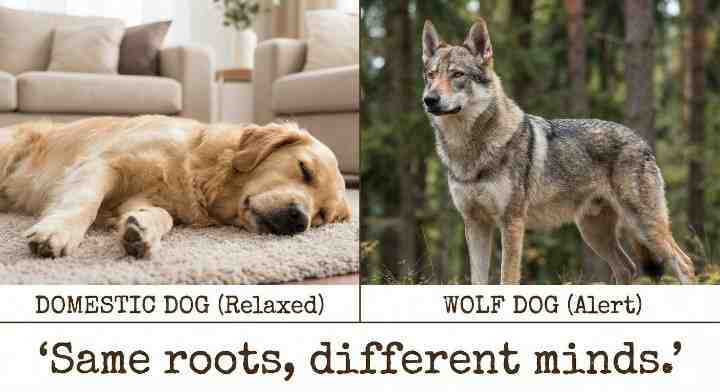
| Ancestry | Direct mix of wolf and dog genetics | Fully domesticated for thousands of years |
| Temperament | Shy, cautious, sensitive to stress | More predictable and adaptable |
| Trainability | Can learn but often independent and resistant | Generally easier to train and consistent in response |
| Social Behavior | Strong pack instincts, bonds with few people | Broad social range, bonds easily with families |
| Energy Level | Very high with strong exercise needs | Varies by breed; easier to match lifestyle |
| Prey Drive | Strong, often triggered by small animals | Varies; many breeds have low to moderate drive |
| Fear Response | Flight tendency when pressured | More balanced, less reactive in familiar settings |
| Housing Needs | Requires large, secure space and reinforced fencing | Most breeds can live comfortably in normal homes |
| Vocalization | More howls, fewer barks | Barking is common and breed-dependent |
| Coat & Shedding | Heavy seasonal shedding, dense wolf-like coat | Wide coat variety; shedding depends on breed |
| Maturity Rate | Slower physical and behavioral maturity | Faster maturity and easier to manage as they grow |
| Interaction With Strangers | Reserved, often avoids unfamiliar people | More open, friendly or neutral depending on breed |
| Compatibility With Children | Better with older, calm children | Many breeds fit well with families and young kids |
| Health Profile | Fewer genetic diseases but prone to stress-related issues | Breed-specific health risks; varies widely |
| Legal Status | Regulated or restricted in many regions | Fully legal with no special permits |
6.1Behavioral Stages from Puppyhood to Adulthood in Wolf Dogs
| Stage | Age Range | Key Behaviors | Notes |
|---|---|---|---|
| Neonatal Stage | 0–2 weeks | Limited movement, relies fully on mother | Early care is crucial for survival and bonding |
| Transitional Stage | 2–4 weeks | Eyes and ears open, starts exploring | Early social exposure shapes future confidence |
| Early Socialization Stage | 4–12 weeks | Learns basic social cues, mild curiosity but can be shy | More sensitive than domestic puppies; needs calm handling |
| Juvenile Stage | 3–6 months | Growing independence, increased energy, testing boundaries | Start structured training and routine-based interaction |
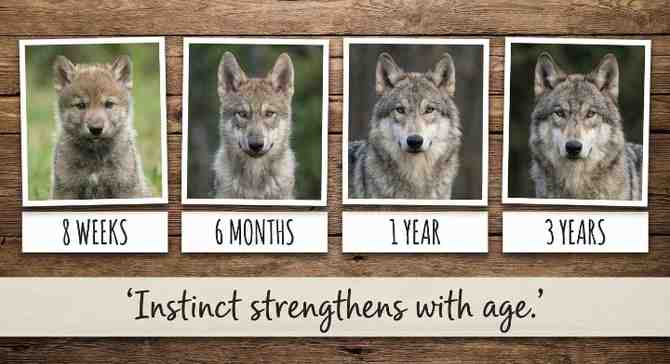
| Adolescent Stage | 6–18 months | Strong instincts appear, high prey drive, escape tendencies | Most challenging phase; needs secure housing and steady guidance |
| Young Adult Stage | 18–30 months | More stable but still developing emotionally | Builds deeper bonds with core humans; may remain cautious with strangers |
| Mature Adult Stage | 2.5–4 years | Reaches full physical and behavioral maturity | Wolf traits become clearer; predictable patterns emerge |
| Senior Stage | 7+ years | Calmer behavior, lower energy but still alert | Needs gentle exercise and stress-free routines |
7.Training and Socialization Of Wolf Dog
| Aspect | Description |
|---|---|
| Early Socialization | Start exposure between 4–12 weeks to people, surfaces and sounds. Keep sessions calm because wolf dogs get overwhelmed easily. |
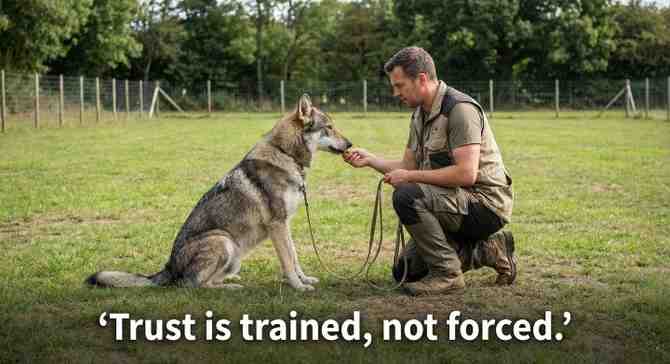
| Bond Building | Strong trust forms the base of training. They respond better to handlers they know well. |
| Training Style | Use positive reinforcement. Harsh methods increase fear and avoidance. |
| Consistency | Daily routines help reduce anxiety. Inconsistent rules confuse them. |
| Obedience Training | They learn commands but may not obey every time due to independent nature. |
| Handling Fear | Many show shy or flight responses. Avoid forcing interactions and let them approach at their pace. |
| Prey Drive Management | Keep them on leash in open areas. Structured activities like scent work help redirect instincts. |
| Housing and Safety | Secure fencing is essential. They may climb or dig if bored or stressed. |
| Interaction With Other Dogs | Early introductions work best. Supervision is needed because they can be selective or territorial. |
| Stranger Socialization | Introduce slowly. Wolf dogs often stay aloof and may retreat when uncomfortable. |
| Mental Enrichment | Puzzle toys, tracking games and long outdoor walks keep their mind engaged. |
| Exercise Needs | Very high. Daily long walks and active play reduce destructive behavior. |
| Adolescent Challenges | This phase is tough. Reinforce training, increase structure and avoid stressful situations. |
| Professional Guidance | Working with trainers experienced in primitive or high-drive breeds is helpful. |
8.Living Environment Requirements for Wolf Dogs
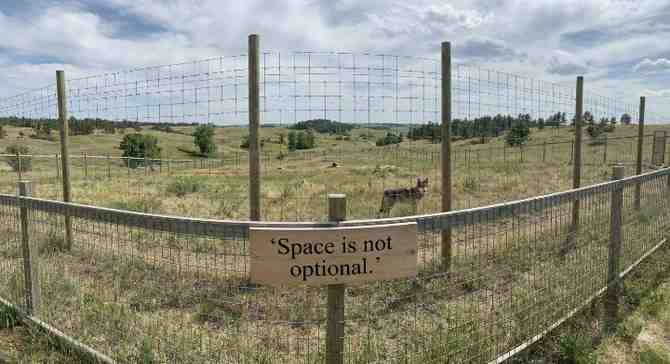
| Aspect | Description |
|---|---|
| Indoor Living | Possible for low-content hybrids but requires space, supervision and constant enrichment. |
| Outdoor Living | Preferred for mid and high-content wolf dogs. They thrive with open areas, natural surfaces and room to roam. |
| Best Setup | A mix of indoor access and a large, secure outdoor enclosure. |
9.Diet and Nutrition of Wolf Dogs
9.1 Natural Diet of Wolves
| Aspect | Description |
|---|---|
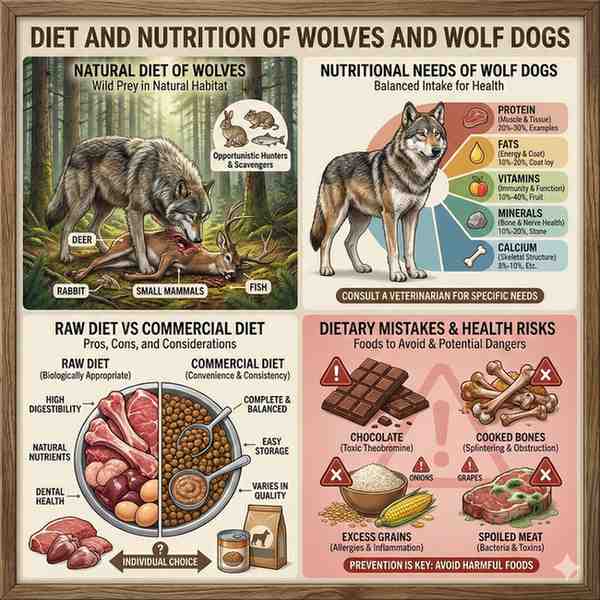
| Primary Diet | Wild prey such as deer, rabbits and small mammals. |
| Composition | High protein, moderate fat and very low carbohydrates. |
| Feeding Pattern | Feasts followed by fasting; not regular meals. |
| Special Point | Wolves consume muscle meat, organs, bones and sometimes stomach contents. |
9.2 Nutritional Needs of Wolf Dogs
| Aspect | Brief Explanation |
|---|---|
| Protein Requirement | High protein from quality animal sources is essential. |
| Fat Level | Moderate fat supports energy and coat health. |
| Carbohydrates | Should be low; many wolf dogs digest carbs poorly. |
| Vitamins & Minerals | Balanced calcium-phosphorus ratio is important for bone development. |
| Special Point | Their digestive system is closer to primitive breeds, so simpler diets suit them better. |
9.3 Raw Feeding vs Commercial Diets
| Category | Raw Diet | Commercial Diet |
|---|---|---|
| Advantages | Mimics natural prey, supports better coat and muscle health. | Convenient, balanced formulas available. |
| Challenges | Needs precise balance of bones, organs and meat. | Many contain grains that wolf dogs may struggle with. |
| Safety Concerns | Risk of bacterial contamination if handled poorly. | Processed ingredients may reduce nutrient quality. |
| Suitability | Works well for experienced owners who understand raw nutrition. | Better for low-content wolf dogs. |
| Special Point | A veterinary nutritionist should guide both diet types to avoid deficiencies. |
9.4 Common Dietary Mistakes and Risks
| Mistake / Risk | Description |
|---|---|
| Too Many Carbs | Leads to digestive issues, obesity and energy crashes. |
| Unbalanced Raw Diet | Incorrect ratios can cause fractures, weak immunity or growth disorders. |
| Feeding Cooked Bones | Cooked bones splinter easily and may cause internal injury. |
| Sudden Diet Changes | Can cause severe stomach upset or refusal to eat. |
| Overfeeding Treats | Wolf dogs gain weight quickly when fed processed treats. |
| Special Point | Regular vet checks help detect nutrient imbalances early. |
10.Health and Veterinary Care of Wolf Dogs
| Aspect | Brief Description |
|---|---|
| Common Health Issues in Wolf Dogs | Hip dysplasia, digestive sensitivity, anxiety-related problems and dental wear from chewing bones. High-content hybrids may face stress-induced illness. |
| Vaccination Challenges | Some vaccines are not officially tested on wolf hybrids. Dosing and effectiveness may vary. Many regions require special permits or proof of ownership for rabies vaccination. |
| Parasite Prevention | Routine deworming and flea-tick control are essential. Natural environments increase exposure to ticks, mites and intestinal parasites, so monthly prevention is recommended. |
| Lifespan Expectations | Low-content wolf dogs live 12–15 years. High-content hybrids often live 14–16 years due to strong wolf genetics and slower aging. Lifestyle and stress levels affect longevity. |
| Finding a Veterinarian Experienced with Wolf Dogs | Not all clinics accept wolf dogs. Owners should look for vets who handle primitive breeds or exotics. Experience with behavior, restraint and legal rules is important. |
11.Wolf Dogs and Families
11.1 Suitability for Homes with Children
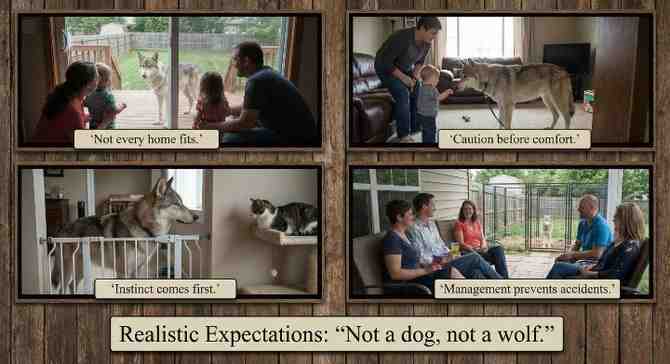
Best suited to homes with older, calm children. Wolf dogs can be sensitive to noise and sudden movements. Supervision is essential during all interactions.
11.2 Wolf Dogs in Multi-Pet Households
They may bond with some dogs but can be selective or territorial. High prey drive makes them unsafe around small pets like cats, rabbits or birds. Early introductions help but do not guarantee harmony.
11.3 Managing Visitor Interactions
Wolf dogs often stay shy or wary around unfamiliar people. Visitors should avoid direct eye contact and let the dog approach first. Secure enclosures or separate rooms are recommended during gatherings.
11.4 Realistic Expectations for Families
They need time, space and structure. Not a typical family pet. Families must commit to training, enrichment and secure housing. They are loyal but not always affectionate in a traditional sense.
12.Wolf Dog :Legal and Ethical Considerations
12.1 Regional Laws Governing Wolf Dog Ownership
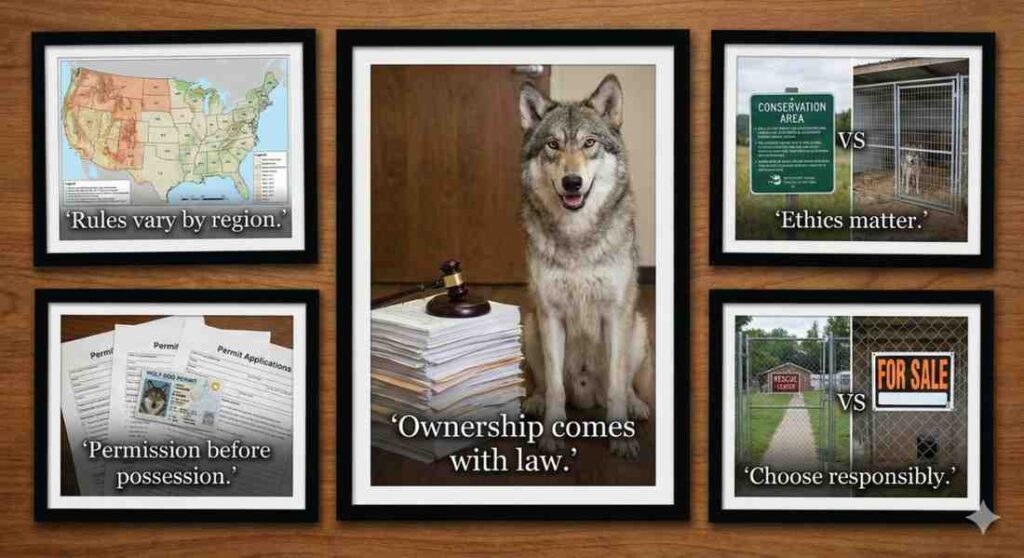
Rules for owning wolf dogs vary from place to place. Some regions allow them freely, others require special permission and many areas ban them completely. These laws are based on safety concerns and wildlife regulations.
12.2 Permit Requirements
In places where wolf dogs are allowed, owners may need permits. These usually involve proof of secure housing, vaccination records and ownership documents. The goal is to ensure the animal is safe and well cared for.
| Country / Region | Legal Status | Key Rules |
|---|---|---|
| United States (some states) | Allowed / Restricted | Laws vary by state; some require permits, others ban. |
| Canada (some provinces) | Mixed | Some provinces allow with permits; others prohibit. |
| Germany | Allowed with rules | Only later-generation wolf dogs allowed. |
| Switzerland | Conditional | Low wolf-content allowed; strict rules for higher content. |
| Austria | Allowed | General animal-keeping rules apply. |
| Italy & France | Permit required | Ownership allowed with official permits. |
| Norway, Sweden, Finland | Mostly banned | High-content hybrids not allowed. |
| Australia | Restricted | Imports/ownership mostly prohibited. |
| India | Not allowed | Considered wildlife; private ownership illegal. |
12.3 Ethical Debates on Breeding Wolf Dogs
Breeding wolf dogs is a debated topic. Supporters believe it preserves wolf-like traits. Critics say wolf dogs often struggle in normal homes, end up in rescues and face stress when their needs are not met. Many argue that mixing wolves and dogs is not always fair to the animals.
12.4 Adoption vs Purchase
Buying a wolf dog from breeders can be expensive and may support irresponsible breeding. Adoption from rescues is a better option for some people, but it requires experience because many rescued wolf dogs have strong instincts. Families should think carefully before choosing either path.
13.Cost of Ownership
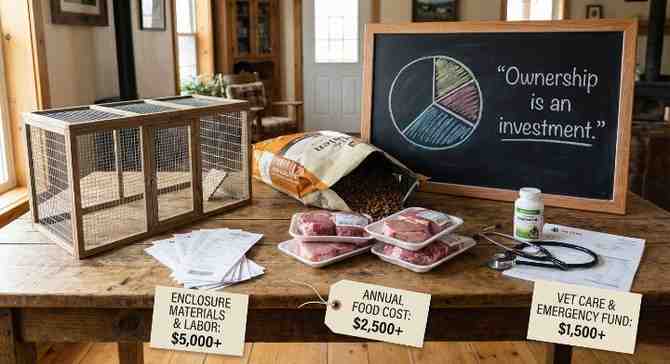
| Cost Category | Estimated Range (USD) | Key Details |
|---|---|---|
| Initial Purchase/Adoption | $800–$8,000+ | Low-content puppies from breeders: $800–$2,500. High-content or rescues: $3,000–$8,000+. Adoptions from sanctuaries often require donations or fees; rare pure hybrids can exceed $10,000. |
| Monthly Feeding/Care | $150–$400 | Raw meat-heavy diets (10–20 lbs/week for adults): $100–$300 food. Plus $50–$100 for supplements, toys, waste removal. High-content need more calories than dogs. |
| Enclosure Construction | $5,000–$50,000+ | Secure 1/4–1 acre fenced runs with 10–12 ft chain-link, dig-proof bases, roofs: $5,000–$15,000 basic. High-content need $20,000+ for escape-proof setups like wildlife enclosures. |
| Emergency/Special Vet | $1,000–$10,000/year | Routine vaccines/deworming: $500–$1,500. Emergencies (injuries from escapes, dental issues): $2,000–$5,000. Few vets treat hybrids; euthanasia common for behavioral problems. |
14.Common behavior issues and solutions
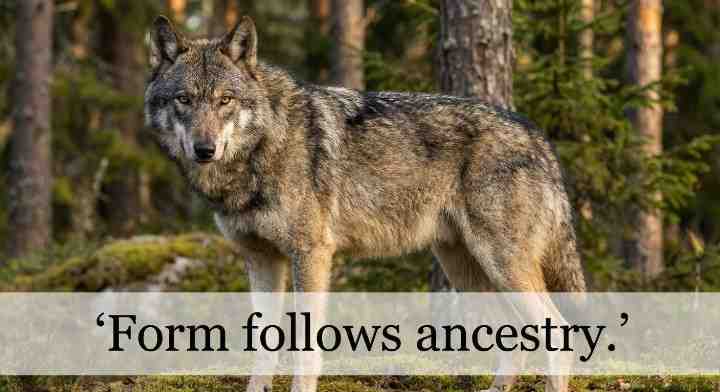
| Issue | Brief Description | Practical Solutions |
|---|---|---|
| Escaping enclosures | Strong drive to roam or explore beyond fences. | Build 10–12 ft dig-proof fences with roofs; add visual barriers and enrichment toys. |
| Destructive chewing/digging | Frustration from boredom or confinement leads to furniture/plants damage. | Provide raw bones, puzzle feeders, and 2+ hours daily exercise; never free-run unsupervised. |
| High prey drive | Chases small animals, cats, or birds aggressively. | Leash walks only; train strong recall with high-value rewards; no small pets in home. |
| Separation anxiety | Howling, pacing, or destruction when alone. | Gradual alone-time training; constant pack-like companionship or crate with comfort items. |
| Resource guarding | Growls/snaps over food, toys, or space. | Hand-feed all meals; trade-up training (offer better item for guarded one); avoid confrontations. |
| Aggression/fearfulness | Shy or reactive to strangers, kids, or changes. | Early, controlled socialization; positive reinforcement only; no punishment-based methods. |
| Excessive howling/pacing | Vocal or restless from unmet needs. | Mental stimulation (scent games, training); secure large spaces mimicking wild roaming. |
15.Grooming and seasonal care overview
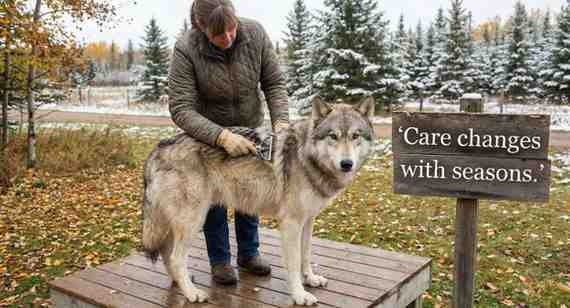
| Care Area | Key Details and Tips |
|---|---|
| Shedding Cycles/Coat Maintenance | Heavy seasonal shedding (spring/fall “blowing coat”); brush 2–3x/week with undercoat rake or slicker brush to remove loose fur and avoid mats. Bathe every 2–3 months with gentle shampoo; high-content shed more intensely. |
| Nail, Ear, Tooth Care | Trim nails every 4–6 weeks (long walks help wear them); clean ears weekly with vet-approved solution if dirty/red (massage base for “squish” sound). Brush teeth 2–3x/week with dog toothpaste/enzymatic chews to fight tartar. |
| Summer Care Strategies | Limit midday exercise to avoid heatstroke; provide shade, constant water, paw protection from hot pavement. Use pet-safe sunscreen on nose/ears; watch for dehydration (dry gums). |
| Winter Care Strategies | Extra insulation from thick coat, but dry after snow; monitor “seasonal aggression” (increased restlessness). Paw rinse for salt/chemicals; booties if needed; more calories for warmth. |
16.Working Roles for Wolf Dogs
| Role/Type | Description and Examples |
|---|---|
| Military/Police Tracking | High-content hybrids (e.g., Russian Volkosoby) tested for fast scent detection; track targets 15–20x quicker than some police dogs in trials. |
| Search and Rescue | Athletic builds suit trail tracking or avalanche work; rare cases of Czechoslovakian Wolfdogs trained for scent trails in rugged terrain. |
| Guarding/Security | Alertness and pack loyalty make them property protectors; used informally by experienced owners for perimeter patrols. |
| Sledding/Expeditions | Endurance from wolf ancestry fits recreational/commercial dog sledding or hiking companions in cold climates. |
| Therapy/Training Demos | Low-content hybrids in sanctuaries for education; some train for targeting behaviors or public demos with handlers. |
17.How To Choose A Wolf Dog
| Selection Area | Key Advice and Examples |
|---|---|
| Matching Wolf Content to Lifestyle | Low-content (dog-like) suits active families with yards. Mid-content needs rural space/experience. High-content only for sanctuary-style setups. Avoid if you travel, have kids/small pets, or lack 10+ hours daily commitment. |
| Evaluating Experience Level | Beginners: Stick to low-content or no hybrids. Intermediate: Mid-content with prior large-breed handling. Experts: High-content (5+ years wolfdog/sled dog experience, fencing skills). Test readiness via volunteer work at rescues. |
| Questions for Breeder/Rescue | Ask: Exact lineage/DNA proof? Parent health tests? Socialization history? Return policy? Facility visit allowed? References from past owners? Avoid if evasive on wolf % or health clearances. |
| Red Flags | No photos of parents or health papers Animals kept in tiny, filthy cages “Buy today or someone else gets it!” pressure Says “totally legal everywhere” (they never checked your area) Dirt cheap (under $500) |
18.Last Words
Wolf dogs carry the untamed nature of a wolf but also the faithful nature of a dog, thus they enchant people by their beautiful appearance and the energy that seems to be not tamed. But behind the real tale, it turns out to be a hybrid which needs a very high commitment level, something like a safe enclosure, a diet of raw meat, understanding of the shy nature, and legal difficulties, far beyond the usual pet ownership.
If you still want to go for the excitement, consider first whether your life is able to satisfy their primal requirements; if it does, then they become magnificent companions with whom you can have deep bonds. The majority of people can best do this by seeing them from the distance through refuges or trustable breeders that are the best way to respect their wild origin.
FAQs
Are wolf dogs legal to own?
Legality varies by country, state, and city. Many regions restrict or ban wolf dog ownership due to safety and welfare concerns.
Are wolf dogs dangerous?
Wolf dogs are not inherently dangerous, but their strong instincts, independence, and unpredictability make them unsuitable for most homes.
Do wolf dogs make good family pets?
Generally, no. Wolf dogs require experienced handlers and controlled environments; they are not ideal for families with children.
Can wolf dogs be trained like dogs?
They can be trained to a limited extent, but they are less obedient and more independent than domestic dogs.
Are wolf dogs aggressive toward other pets?
They may show strong prey drive, especially toward small animals. Careful separation is often necessary.
How much wolf content is safe?
There is no universally “safe” percentage. Higher wolf content generally means more challenging behavior
Can wolf dogs live in apartments?
No. They need large, secure outdoor spaces and mental stimulation, not confined living environments.
Can wolf dogs be kept on a leash?
Yes, but it is challenging. Many wolf dogs resist leash control and may panic or try to escape if overstimulated.
Do wolf dogs howl more than dogs?
Yes. Wolf dogs tend to howl frequently and bark less, especially in response to sirens or environmental sounds.

Unbelievable, complete information in a single article..Really appreciable…Keep on going