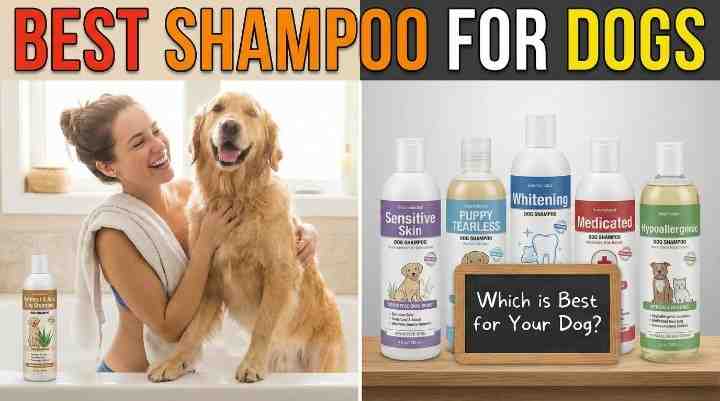
Best Shampoo for Your Dog starts with understanding your pet’s skin type, coat needs, age, and health conditions. Learn how to avoid harmful chemicals, choose pH-balanced formulas, and pick the right shampoo for safe, healthy, shiny dog skin and coat.
Table of Contents
1. Dog Grooming and Shampoo Selection

Picking the right shampoo for your dog? It’s more than just shiny fur – think health. In my years as a vet, I’ve seen poor picks cause itching, redness, patchy hair, even allergies. Dog skin reacts fast; it’s different from human skin, so gentle stuff matters. That’s why getting the formula correct helps them stay itch-free, fresh, and healthy.
This guide breaks down how to pick the right shampoo for your pup – depending on their skin, fur, age, or health stuff – so you end up choosing something smart and safe.
2. Understanding Your Dog’s Skin and Coat

| Part | What It Is | Main Function | Why It Matters for Dog Health |
|---|---|---|---|
| Skin (Epidermis) | Outer protective layer made of living cells | Protects from germs, injury, and dehydration | First defense against infection and allergies |
| Skin (Dermis) | Middle layer with blood vessels, nerves, and glands | Provides strength, nutrition, and sensation | Supports healing and temperature control |
| Hair Follicle | Tiny pocket in the skin where hair grows | Produces and anchors hair | Damage here leads to hair loss |
| Sebaceous Glands | Oil-producing glands attached to hair follicles | Produce sebum to keep skin and coat moist | Too much or too little oil causes skin problems |
| Sweat Glands | Small glands for cooling and scent release | Helps in scent marking and minor cooling | Poor function can affect temperature regulation |
| Guard Hairs (Top Coat) | Long, coarse outer hairs | Protect from rain, sun, dirt, and injury | Loss reduces protection |
| Undercoat | Soft, dense inner hairs | Provides insulation from heat and cold | Shedding changes with seasons |
| Keratin | Strong protein in skin, hair, and nails | Gives strength and structure | Poor nutrition weakens coat |
| Melanin | Natural pigment in skin and coat | Gives color and UV protection | Changes can signal disease |
| Blood Supply to Skin | Network of tiny blood vessels | Delivers oxygen and nutrients | Poor circulation delays healing |
3. Why You Should Never Use Human Shampoo on Dogs
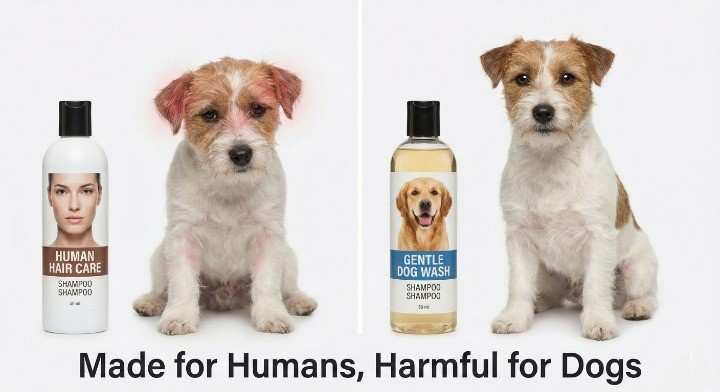
Human shampoo is made for acidic, thick human skin, while dog skin is thinner and neutral in pH. Frequent use of human shampoo on dogs damages the skin barrier, removes protective oils, disrupts healthy microbes, and increases the risk of itching, infections, and long-term skin problems.
| Factor | Human Skin & Shampoo | Dog Skin & Reaction | Why It Is Unsafe for Dogs |
|---|---|---|---|
| Skin pH | Acidic (pH 4.5–5.5) | Neutral to slightly alkaline (pH 6.2–7.5) | Human shampoo disrupts dog skin pH and damages the skin barrier |
| Skin Thickness | Thick epidermis (5–10 cell layers) | Thin epidermis (3–5 cell layers) | Dog skin gets irritated and injured more easily |
| Natural Oils (Sebum) | Higher tolerance to oil stripping | Needs constant oil for protection | Human shampoo removes essential oils causing dryness and itching |
| Hair Density | Low hair density per area | Very high hair density with follicles close together | Harsh formulas clog or inflame hair follicles |
| Sweat Glands | Many for cooling | Very few, mainly for scent | Human deodorizing agents irritate dog skin |
| Microbial Flora | Stable under acidic conditions | Balanced under neutral conditions | pH disruption causes bacterial and fungal overgrowth |
| Fragrance & Chemicals | Strong perfumes and sulfates common | Highly sensitive to chemicals | Causes redness, allergy, and contact dermatitis |
| Bathing Frequency | Frequent use is tolerated | Needs limited bathing | Frequent use of human shampoo leads to chronic skin disease |
4. Factors to Consider While Choosing the Best Dog Shampoo

Before buying any shampoo, consider the following:
- Check the age of your dog (puppy, adult, senior)
- Select according to breed and coat of pet
- Skin condition (normal, dry, oily, sensitive)
- Presence of parasites or infections
- Check any history of allergies
- Lifestyle (indoor, outdoor, swimming frequently)
There is no single shampoo that suits every dog. The best shampoo is always the one that matches your dog’s individual needs.
5. Choosing Shampoo Based on Your Dog’s Coat Type
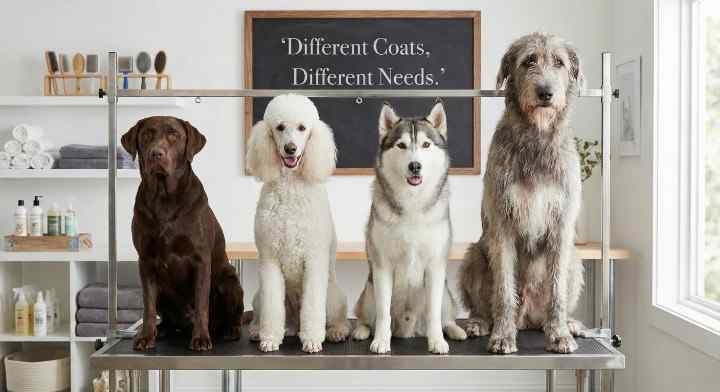
Different coat types require different care:
| Coat Type | Examples | Shampoo Type Needed | Key Ingredients to Look For | Avoid |
|---|---|---|---|---|
| Short Coat | Beagle, Boxer, Doberman | Mild cleansing shampoo | Aloe vera, glycerin, vitamin E | Strong degreasers, heavy conditioners |
| Long Coat | Shih Tzu, Lhasa Apso, Afghan Hound | Moisturizing and detangling shampoo | Oatmeal, silk proteins, natural oils | Drying sulfates |
| Double Coat | Labrador, Golden Retriever, German Shepherd | Deep-cleaning but moisturizing shampoo | Oatmeal, coconut-based cleansers | Heavy silicone conditioners |
| Curly Coat | Poodle, Labradoodle | Hydrating and curl-enhancing shampoo | Shea butter, aloe, panthenol | Alcohol-based products |
| Wire Coat | Terrier breeds | Texture-preserving mild shampoo | Gentle cleansers, botanical extracts | Softening or smoothing shampoos |
| Hairless or Very Thin Coat | Chinese Crested | Ultra-mild, hypoallergenic shampoo | Oatmeal, ceramides | Fragrances, antiseptics unless prescribed |
Using the wrong shampoo can make grooming more difficult and damage the coat over time.
6. Selecting Shampoo for Different Dog’s Skin Types
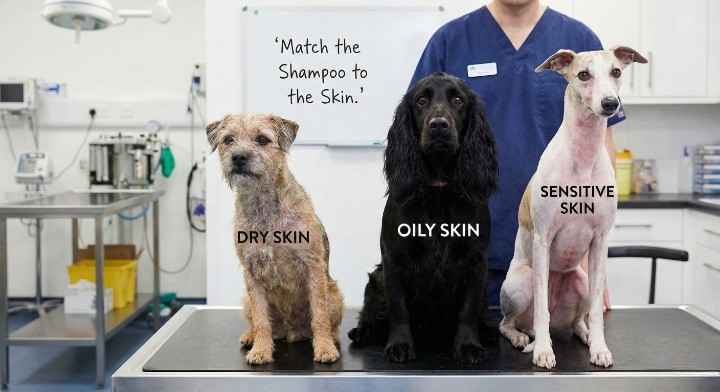
| Skin Type | Shampoo Type | Key Ingredient | Main Benefit |
|---|---|---|---|
| Normal Skin | Mild maintenance shampoo | Aloe vera | Gentle cleaning |
| Dry Skin | Moisturizing shampoo | Oatmeal, glycerin | Relieves dryness |
| Oily Skin | Degreasing shampoo | Benzoyl peroxide | Controls excess oil |
| Sensitive Skin | Hypoallergenic shampoo | Colloidal oatmeal | Reduces irritation |
| Allergic Skin | Anti-allergy shampoo | Chlorhexidine + oatmeal | Controls itching |
| Fungal Infection | Antifungal shampoo | Ketoconazole | Treats yeast |
| Bacterial Infection | Antibacterial shampoo | Chlorhexidine | Controls bacteria |
7. Dog Shampoo for Puppies

| Factor | Puppy Skin & Coat | Right Shampoo Choice | Why It Matters |
|---|---|---|---|
| Skin Thickness | Very thin and delicate | Extra-mild shampoo | Prevents irritation and damage |
| Skin pH | Near neutral, still developing | pH-balanced for puppies | Maintains natural skin barrier |
| Tear Sensitivity | Eyes highly sensitive | Tearless formula | Prevents eye burning |
| Natural Oils (Sebum) | Low and unstable | Moisturizing shampoo | Prevents dryness and flaking |
| Immune Protection | Immature immune system | Hypoallergenic shampoo | Reduces allergy risk |
| Coat Type | Soft, fine puppy coat | Light cleansing shampoo | Avoids coat damage |
| Chemical Tolerance | Very low | Soap-free, sulfate-free | Prevents toxicity and rashes |
| Bathing Frequency | Needs limited bathing | Once every 2–4 weeks | Avoids oil stripping |
| Medicated Needs | Rare in healthy puppies | Use only with vet advice | Prevents chemical burns |
What Is a Dry Wash for Puppies
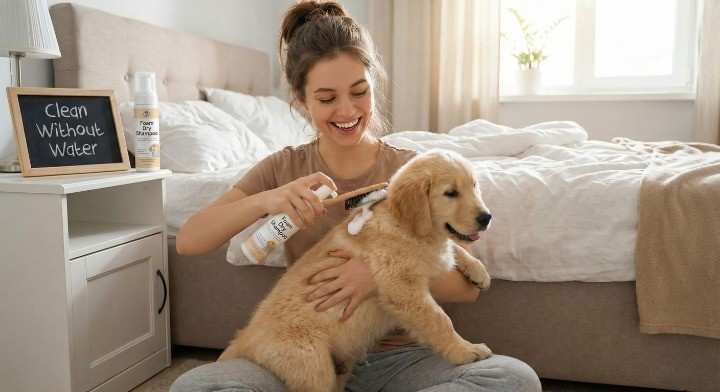
A dry wash is a waterless cleaning method that removes light dirt and surface odor without giving a full bath. It usually comes as a foam, powder, or spray that is massaged into the coat and wiped off. It cleans gently without soaking the skin.
Dry wash and dry shampoo are not substitutes for regular bathing. They are only a temporary hygiene solution. If a puppy has persistent odor, dandruff, redness, or hair loss, a proper veterinary skin check is necessary before using any grooming product.
8. Medicated Dog Shampoos
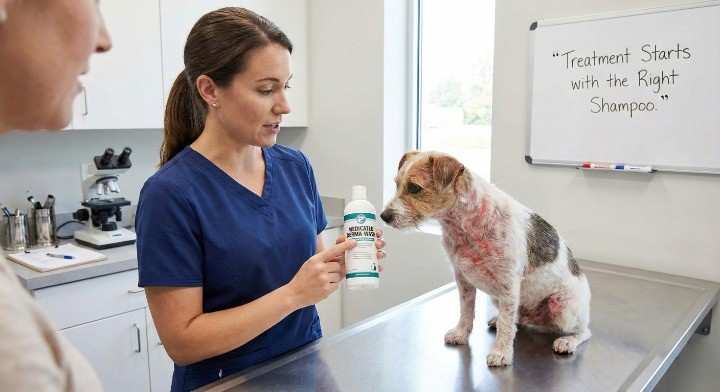
Medicated shampoos are used to treat skin conditions and should ideally be chosen under veterinary guidance. Common active ingredients include:
- Chlorhexidine for bacterial infections
- Ketoconazole for fungal infections
- Benzoyl peroxide for greasy skin and follicular flushing
- Selenium sulfide for seborrhea
These shampoos should be used only for the prescribed duration, as long-term misuse can damage the skin.
9. Hypoallergenic and Natural Dog Shampoos
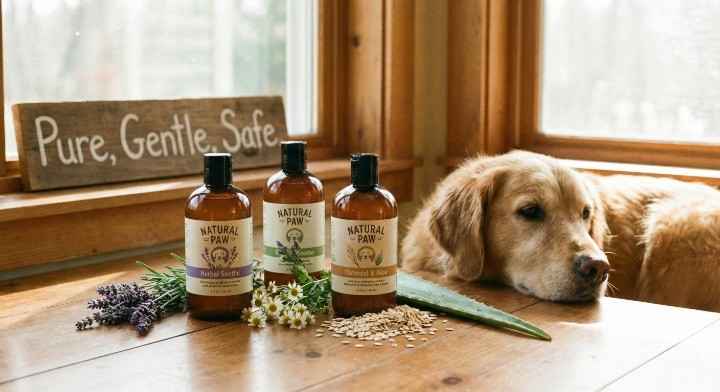
Natural and hypoallergenic shampoos are often enriched with ingredients like:
- Oatmeal
- Aloe vera
- Chamomile
- Coconut oil
- Tea tree in safe concentrations
These are suitable for dogs with sensitive skin, allergies, or frequent bathing needs. However, “natural” does not always mean safe. Always read the ingredient list carefully.
10. Flea and Tick Shampoos For Dogs
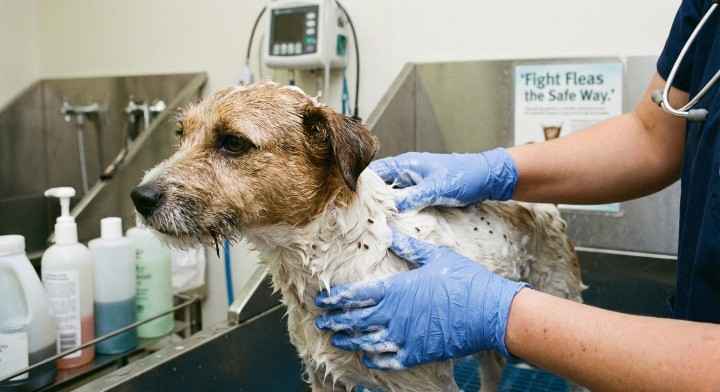
Natural and hypoallergenic shampoos are often enriched with ingredients like:
- Oatmeal
- Aloe vera
- Chamomile
- Coconut oil
- Tea tree in safe concentrations
These are suitable for dogs with sensitive skin, allergies, or frequent bathing needs. However, “natural” does not always mean safe. Always read the ingredient list carefully.
11. Deodorizing and Whitening Shampoos
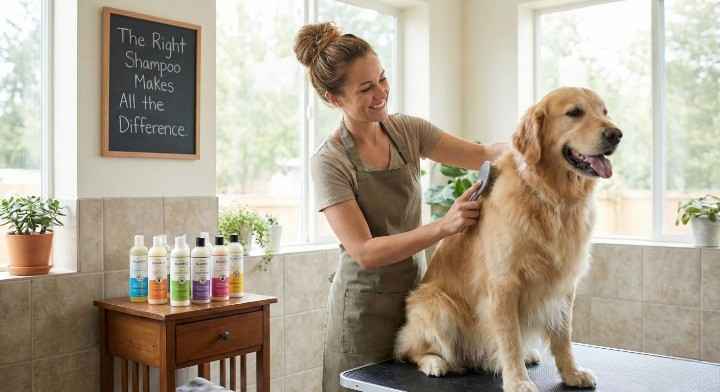
Deodorizing shampoos help control odor in dogs with strong body smell, while whitening shampoos enhance the appearance of light-colored coats.
These shampoos should be used occasionally, as frequent use may dry out the skin, especially in sensitive dogs.
12. Understanding Dog Shampoo Ingredients

Beneficial Ingredients
- Oatmeal
- Aloe vera
- Vitamin E
- Coconut oil
- Essential fatty acids
Harmful Ingredients to Avoid
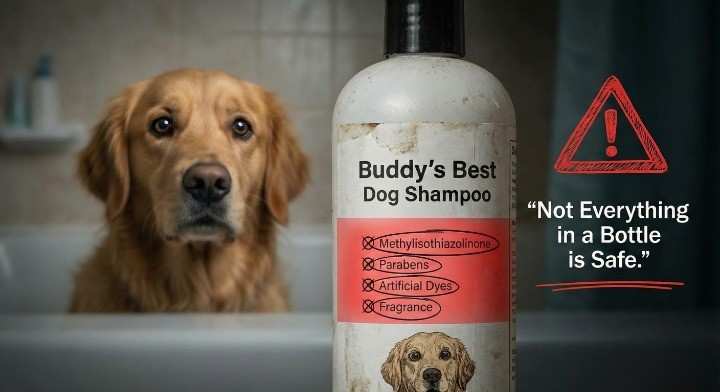
- Sulfates
- Parabens
- Artificial fragrances
- Alcohol
- Artificial dyes
- Coal tar in non-prescribed products
Always choose shampoos with transparent labeling and minimal harsh chemicals.
13. Reading Labels the Right Way
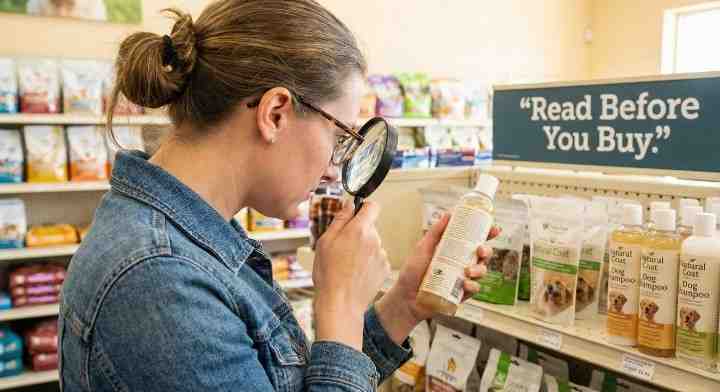
Do not rely only on front-label claims like “vet approved” or “natural.” Instead:
- Check the full ingredient list
- Look for active ingredients and their concentration
- Avoid vague terms without clear formulation details
- Check expiration dates
If in doubt, consult your veterinarian before using a new product.
14. Matching Shampoo to Your Dog’s Health Conditions

Dogs with medical skin conditions need special care:
- Allergies: Hypoallergenic, fragrance-free shampoos
- Fungal infections: Antifungal medicated shampoos
- Bacterial infections: Antibacterial formulas with chlorhexidine
- Mange and dermatitis: Prescription shampoos as advised by a vet
Using the wrong shampoo can delay healing and worsen symptoms.
15. How Often Should You Bathe Your Dog
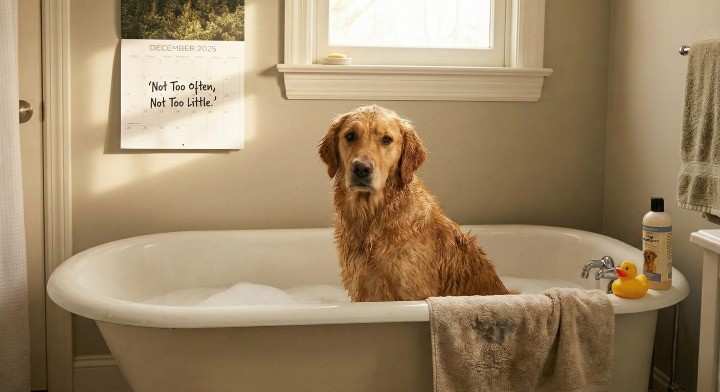
| Age Group | Size | Weight | Summer | Monsoon | Winter | Scientific Reason |
|---|---|---|---|---|---|---|
| Puppy (0–3 months) | All | All | Only if very dirty | Only if very dirty | Avoid unless necessary | Immature skin, weak oil barrier |
| Puppy (3–12 months) | Small | < 10 kg | Every 3 weeks | Every 3–4 weeks | Every 4–5 weeks | Sensitive developing skin |
| Puppy (3–12 months) | Medium | 10–25 kg | Every 3–4 weeks | Every 4 weeks | Every 4–5 weeks | Low oil production |
| Puppy (3–12 months) | Large | > 25 kg | Every 4 weeks | Every 4 weeks | Every 5 weeks | Slower oil recovery |
| Adult (1–7 years) | Small | < 10 kg | Every 2–3 weeks | Every 3 weeks | Every 3–4 weeks | Faster oil and dirt buildup |
| Adult (1–7 years) | Medium | 10–25 kg | Every 3 weeks | Every 3–4 weeks | Every 4 weeks | Balanced skin oil |
| Adult (1–7 years) | Large | > 25 kg | Every 4 weeks | Every 4 weeks | Every 5–6 weeks | Thicker coat, slower oil spread |
| Senior (7+ years) | Small | < 10 kg | Every 3–4 weeks | Every 4 weeks | Every 4–5 weeks | Reduced skin hydration |
| Senior (7+ years) | Medium | 10–25 kg | Every 4 weeks | Every 4 weeks | Every 5 weeks | Slower skin renewal |
| Senior (7+ years) | Large | > 25 kg | Every 4–5 weeks | Every 4–5 weeks | Every 6 weeks | Dry-prone aging skin |
16. Proper Way to Use Dog Shampoo for Best Results
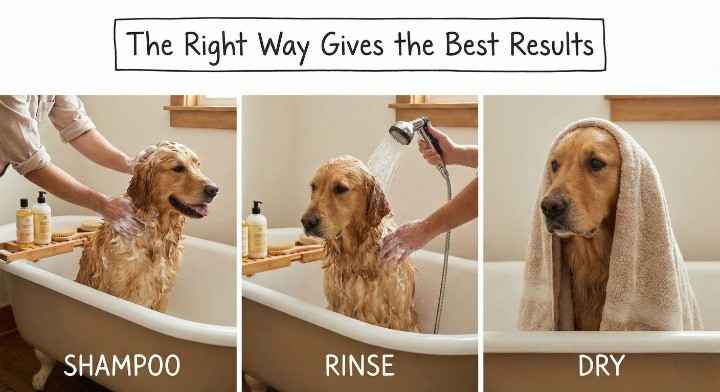
- Brush the coat before bathing to remove loose hair.
- Use lukewarm water.
- Dilute the shampoo if recommended.
- Massage gently into the coat and skin.
- Let it sit for the instructed contact time.
- Rinse thoroughly until the water runs clear.
- Dry with a towel or pet-safe dryer.
Incomplete rinsing is a common cause of itching after bathing.
17. Common Mistakes While Using Dog Shampoo
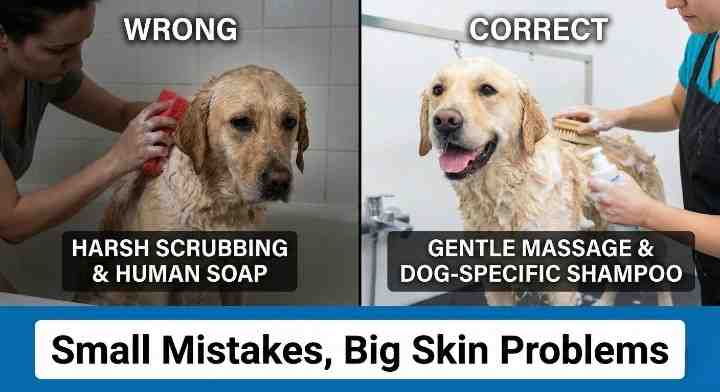
- Using excessive shampoo
- Poor rinsing
- Using hot water
- Bathing too frequently
- Mixing multiple shampoos
- Applying medicated shampoo without guidance
Avoiding these mistakes can significantly improve your dog’s skin health.
18. Choosing Between Liquid, Bar, and Dry Shampoos
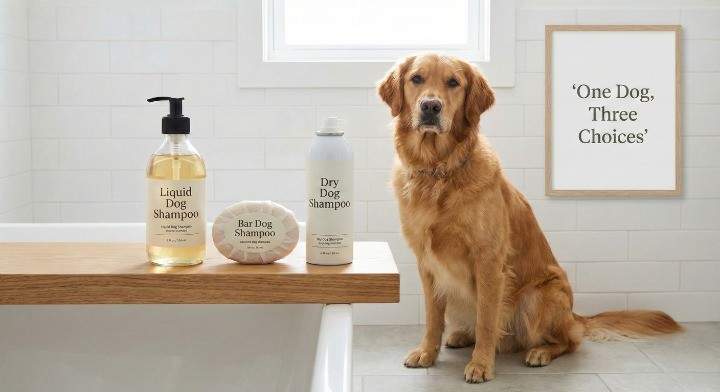
| Type of Shampoo | Best Use | Main Benefits | Limitations | Best For |
|---|---|---|---|---|
| Liquid Shampoo | Regular full baths with water | Deep cleaning, easy to rinse, widely available | Needs water and drying time | Most dogs, routine grooming |
| Bar Shampoo | Eco-friendly full baths | Long-lasting, less waste, travel-friendly | Needs good lathering and rinsing | Owners preferring natural or zero-waste options |
| Dry Shampoo | Cleaning without water | Quick odor control, no rinsing needed | Does not remove heavy dirt or oil | Puppies, seniors, sick dogs, in-between baths |
19. Budget vs Premium Dog Shampoos
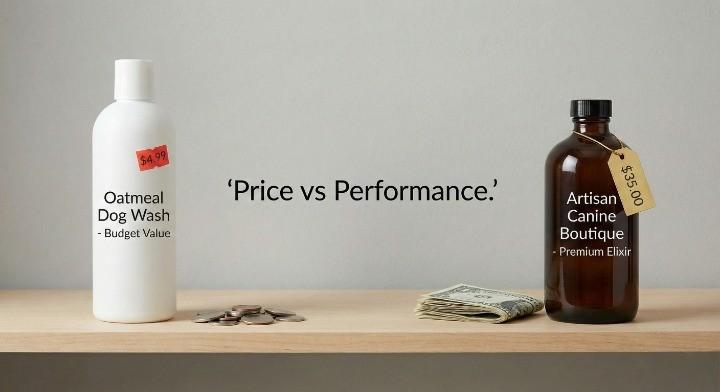
Expensive does not always mean better. Many affordable shampoos offer excellent quality. Focus on:
- Ingredient safety
- Purpose of the shampoo
- Veterinary recommendation
Avoid choosing solely based on price or brand reputation.
20. How to Test a New Dog Shampoo Safely

Before full use, apply a small amount to a patch of skin and observe for 24 hours. Watch for:
- Redness
- Swelling
- Excessive scratching
- Rashes
If any reaction occurs, discontinue immediately and consult your veterinarian.
21. When to Change Your Dog’s Shampoo

You may need to change your dog’s shampoo when:
- Seasons change
- Your dog ages
- Skin problems develop
- The current shampoo stops being effective
Skin needs evolve with time, just like in humans.
22. Vet-Recommended Guidelines for Choosing Dog Shampoo

Consult a veterinarian if:
- Your dog has persistent itching
- There are recurring skin infections
- Hair loss is present
- There is a foul odor from the skin
- Over-the-counter shampoos are not helping
Prescription shampoos are often necessary for chronic or severe conditions.
23. Eco-Friendly and Sustainable Dog Shampoos
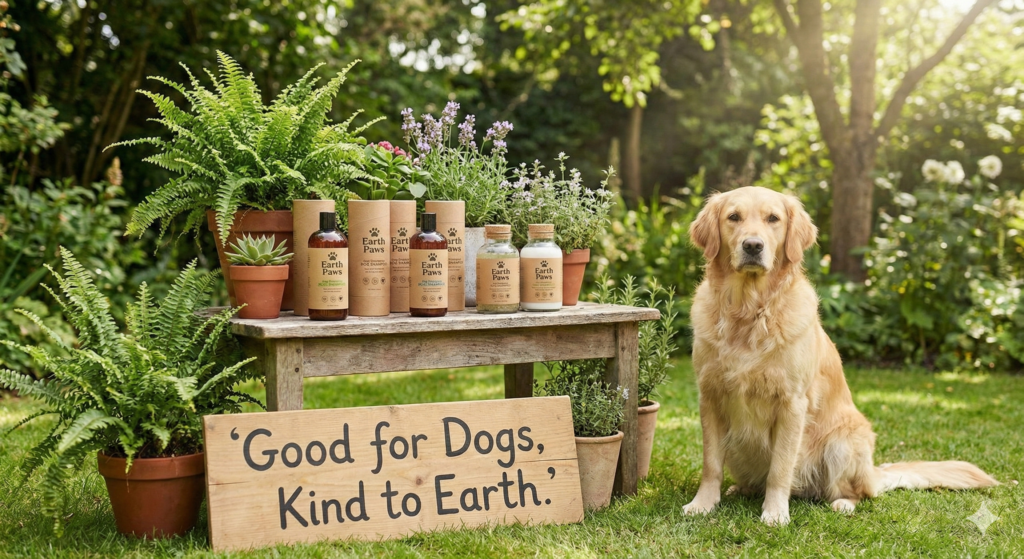
Eco-friendly shampoos use biodegradable ingredients and recyclable packaging. These are safer for pets, owners, and the environment. Look for certifications and clear eco-claims rather than marketing terms alone.
24. Store-Bought vs Homemade Dog Shampoos
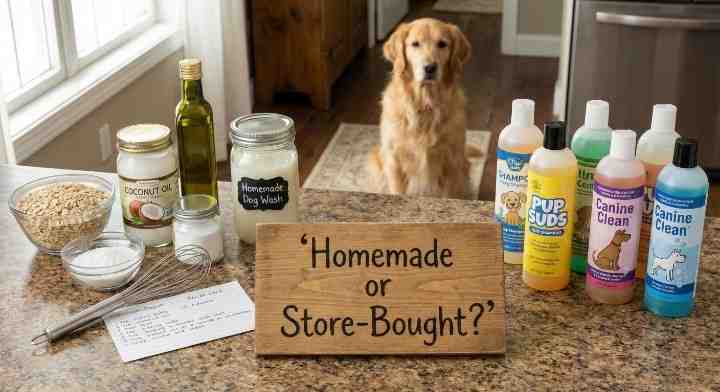
Homemade shampoos may seem attractive, but improper formulations can disrupt skin pH and worsen skin problems. Only use home remedies if advised by a veterinarian. Store-bought products are safer due to regulated formulations and testing.
25. Final Checklist Before Buying the Best Shampoo for Your Dog

| Checklist Point | What to Check | Why It Matters |
|---|---|---|
| Dog-Specific Label | Must clearly state “For Dogs” | Human shampoos damage dog skin |
| Skin Type | Normal, dry, oily, sensitive, allergic | Prevents irritation and worsening of skin problems |
| Coat Type | Short, long, curly, double, wire | Ensures proper cleaning without coat damage |
| pH Balanced | pH 6.2–7.5 | Maintains natural skin barrier |
| Age Suitability | Puppy, adult, or senior formula | Puppy skin needs extra mild products |
| Key Ingredients | Oatmeal, aloe, glycerin, vitamin E | Soothes and moisturizes the skin |
| Harmful Chemicals | No sulfates, parabens, alcohol | Reduces dryness and allergic reactions |
| Fragrance Level | Mild or fragrance-free | Strong scents cause irritation |
| Medicated Content | Only if prescribed by a vet | Prevents misuse and skin damage |
| Rinse Ease | Easy to wash out | Avoids residue buildup and itching |
| Brand Reliability | Trusted veterinary or pet-care brand | Ensures product safety and quality |
| Your Dog’s Health | Any allergies or skin disease | Determines if special shampoo is needed |
Frequently Asked Questions (FAQs)
Can I use baby shampoo on my dog?
Baby shampoo’s milder than regular shampoo – yet designed for human kids, not pets. Using it often might leave your pup’s skin flaky or sore. That’s because it doesn’t match a dog’s natural skin balance. Stick to shampoos made just for dogs if you bathe them weekly.
What is the safest shampoo for dogs with sensitive skin?
The safest options are hypoallergenic shampoos with natural ingredients like oatmeal, aloe vera, or calendula, free from parabens, sulfates, fragrances, and artificial colors. Brands like Earthbath or Natural Dog Company are often recommended for soothing irritation without harsh chemicals.
How often should I bathe my dog using shampoo?
Bathe your pup roughly every month or six weeks – how often depends on its breed, fur kind, how active it is, also skin health. If there’s a medical need, you might wash it once a week, yet doing so too much could remove good oils, leaving skin flaky.
Are dog flea shampoos safe for regular use?
Flea shampoos are safe for occasional use during infestations but not for regular bathing, as they can be harsh, dry out the skin, and contain potentially toxic ingredients like pyrethrins if misused. Use monthly preventatives instead for ongoing flea control.
What ingredients should I strictly avoid in dog shampoos?
Avoid parabens (preservatives), sulfates (foaming agents like sodium lauryl sulfate), artificial fragrances and colors, formaldehyde (or releasers), isopropyl alcohol, cocamide MEA/DEA, and propylene glycol, as they can cause irritation, dryness, or toxicity. Check labels for natural alternatives.
Do natural dog shampoos really work?
Yes, they can work well, but “natural” is not a guarantee of safety or quality.
Good natural shampoos with gentle plant-based cleansers can clean effectively and be kind to the skin. Still, some “natural” products may contain strong essential oils or allergens, so always read the label and monitor your dog’s skin.
Can dog shampoo help with shedding?
These shampoos can help in reduce shedding by moisturizing the coat, loosening undercoat, and promoting healthy skin with ingredients like omega fatty acids or coconut oil, especially when paired with brushing. They’re not a complete solution but aid in management.
Is dry shampoo safe for dogs?
Dry shampoo is safe for dogs if it’s pet-specific, natural, and used occasionally between baths, as it absorbs oils without water. Avoid human versions or overuse, which could irritate skin or be ingested during grooming.
