
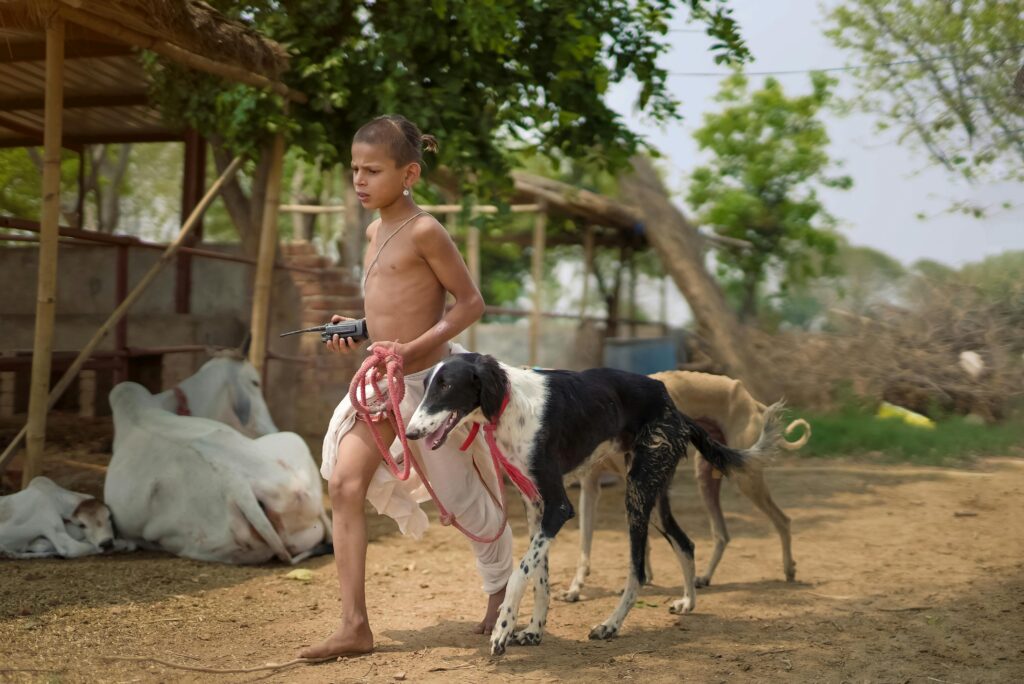
India, with a land of vibrant culture and diverse landscapes, is also home to some of the most remarkable and resilient Indian dog breeds in the world. Here we discuss Indian dog breeds, including Rajapalayam, Mudhol hound, Indian Pariah, and more, with their specific characteristics. Unlike many modern breeds selectively bred for appearance, Indian dogs evolved naturally to suit better survivability. Here are several compelling reasons to select Indian dog breeds.
Table of Contents
WHY TO SELECT INDIAN DOG BREEDS?
Indian dog breeds show better adaptability.
Indian dog breeds are very well adapted to the local climate and environment. They are more resilient to India’s weather conditions compared to foreign breeds.
Economical with low maintenance cost seen in Indian dog breeds
Many Indian dog breeds require less grooming, have fewer health issues, and are generally easier to care for, which makes them cost-effective and convenient for families.
Stronger immunity than foreign breeds
Indian breeds typically have stronger immune systems due to natural selection, making them less prone to common diseases and infections.
Protective and Loyal
Most Indian dog breeds are known for their loyalty and strong guarding instincts, making them excellent companions and watchdogs.
Support Local Breeds
Choosing Indian dog breeds helps preserve native species and discourages unethical breeding practices often associated with imported dogs.
Friendly Choice for Ecosystem
Indian dogs breeds have a smaller carbon footprint as they don’t need imported food or special living conditions, unlike many foreign breeds.
Indian dog breeds easy to Train
Many Indian breeds are intelligent and quick learners, making them suitable for various roles—from family pets to service and police dogs.
Rescue and Adoption Opportunities in Indian Dog Breeds
Numerous Indian dog breeds and street dogs are available for adoption, giving you the chance to provide a loving home to a deserving animal.
Indian dog breeds are not just pets; they are a testament to the country’s deep-rooted connection with animals, shaped by centuries of tradition, geography, and purpose. From the majestic Himalayan guardians to the agile street survivors, Indian dog breeds embody strength, loyalty, and adaptability.
LIST OF INDIAN DOG BREEDS
1.Rajapalayam dog: The Majestic White Warrior
Also known as – Poligar Hound, Shikkar Hound

| Field | Details |
|---|---|
| Brief origin | Native to Tamil Nadu (town of Rajapalayam), southern India; historically kept by local chieftains and used for hunting and as a watchdog. |
| Appearance (brief) | Large, elegant sighthound build — long, muscular neck, deep chest, long straight legs and a slightly arched loin; proud carriage and athletic silhouette. |
| Coat and color | Short, smooth, glossy coat; typically pure white. Some dogs may show light pigmentation around eyes or nose (pink nose common). |
| Weight | Males: ~30–44 kg; Females: ~25–36 kg (individuals vary by build and diet). |
| Life span | 10–14 years (with good care). |
| Special features | Striking all-white coat, pink/nude nose and paw pads often present, almond-shaped eyes, strong jaw, powerful gait; known for speed and endurance. |
| Adaptability to environment | Very well adapted to hot climates and open spaces; prefers warm weather and needs room to run. Less tolerant of prolonged cold or damp conditions. |
| Temperament | Loyal, courageous, dignified and protective of family; can be independent and somewhat reserved with strangers; forms strong bonds with owners. |
| Most common health issues | Congenital deafness (seen in some white-coated lines), hip dysplasia, skin allergies/irritations, occasional ocular issues — regular vet checks advised. |
| Cost in rupees (approx.) | ₹10,000 – ₹80,000+ depending on pedigree, breeder reputation, registration, and locality (show-quality or imported bloodlines can cost more). |
2.Chippiparai – The Graceful Greyhound of the South
Also known as South Indian hound, Sight hound and Kanni, Nattu nayi

| Field | Details |
|---|---|
| Brief Origin | Originates from Tamil Nadu; historically bred by royal families of the Nayak dynasty for hunting deer and wild boar. |
| Appearance | Tall, slender, and athletic with long legs, deep chest, and narrow face; resembles a miniature Greyhound. |
| Coat & Color | Short, smooth coat; fawn, silver-grey, reddish-brown, or brindle shades. |
| Weight | 15–25 kg |
| Life Span | 12–15 years |
| Special Features | Excellent runner with high stamina and speed; minimal grooming needs. |
| Adaptability | Best suited for hot and dry climates; not ideal for very cold regions. |
| Temperament | Loyal, intelligent, reserved but affectionate with owners; wary of strangers. |
| Common Health Issues | Tick infestations, rare genetic disorders. |
| Approx. Cost (INR) | ₹8,000 – ₹40,000 |
3.Mudhol hound: The Nomad’s Faithful Trailblazer

| Field | Details |
|---|---|
| Brief Origin | Native to Karnataka and Maharashtra; used for hunting and guarding caravans—hence “Caravan Hound.” |
| Appearance | Long, narrow head, lean and muscular body, deep chest, long tail. |
| Coat & Color | Short, silky coat; colors include fawn, cream, black, brindle, or grey. |
| Weight | 22–28 kg |
| Life Span | 12–14 years |
| Special Features | Endurance, speed, and loyalty; used by Indian Army for security. |
| Adaptability | Ideal for warm climates and open areas; dislikes cold or confinement. |
| Temperament | Loyal, courageous, quiet, and alert. |
| Common Health Issues | Hip/elbow dysplasia, parasites. |
| Approx. Cost (INR) | ₹10,000 – ₹60,000 |
4.Combai/Kombai: The Fearless Protector with a Tender Heart

| Field | Details |
|---|---|
| Brief Origin | From Tamil Nadu; ancient breed used by kings and hunters for guarding and hunting wild boar. |
| Appearance | Muscular, compact, with a strong head and powerful jaws. |
| Coat & Color | Short, dense coat; reddish-brown with black muzzle common. |
| Weight | 20–30 kg |
| Life Span | 12–15 years |
| Special Features | Fearless, loyal, and extremely protective. |
| Adaptability | Excellent for tropical and rural environments; not ideal for cold weather. |
| Temperament | Brave, alert, loyal, and family-oriented. |
| Common Health Issues | Hip dysplasia, tick fever. |
| Approx. Cost (INR) | ₹10,000 – ₹50,000 |
5.Vikhan Sheepdog-Also known as CHITRAL WATCHDOG

| Field | Details |
|---|---|
| Brief Origin | Native to Himachal Pradesh; bred by the Vikhan tribe for herding and protection. |
| Appearance | Medium to large build with thick double coat and bushy tail. |
| Coat & Color | Long, dense fur; black, tan, grey, or mixed colors. |
| Weight | 25–35 kg |
| Life Span | 10–13 years |
| Special Features | Excellent herder and mountain climber; strong and agile. |
| Adaptability | Perfectly suited for cold mountain climates. |
| Temperament | Intelligent, loyal, alert, and independent. |
| Common Health Issues | Skin infections, joint stiffness. |
| Approx. Cost (INR) | ₹15,000 – ₹70,000 |
6.Pandikona

| Field | Details |
|---|---|
| Brief Origin | Indigenous to Andhra Pradesh; used as hunting and village guard dog. |
| Appearance | Medium-sized, muscular, with erect ears and curled tail. |
| Coat & Color | Short, coarse coat; white, brown, or brindle. |
| Weight | 20–30 kg |
| Life Span | 10–14 years |
| Special Features | Self-sufficient and natural hunter. |
| Adaptability | Very adaptable to rural and semi-arid regions. |
| Temperament | Independent, brave, territorial. |
| Common Health Issues | Parasite infestations, minor skin issues. |
| Approx. Cost (INR) | ₹5,000 – ₹30,000 |
7.Kumaon Mastiff

| Field | Details |
|---|---|
| Brief Origin | Originates from Kumaon region of Uttarakhand; mountain guardian and protector. |
| Appearance | Large, strong-boned, muscular build with thick neck. |
| Coat & Color | Dense coat; brindle, grey, fawn, or black. |
| Weight | 45–70 kg |
| Life Span | 10–12 years |
| Special Features | Great strength and protective instincts; excellent mountain dog. |
| Adaptability | Well suited for cold, hilly regions; not ideal for hot climates. |
| Temperament | Loyal, courageous, can be dominant if untrained. |
| Common Health Issues | Hip dysplasia, arthritis. |
| Approx. Cost (INR) | ₹50,000 – ₹1,00,000+ |
8.Bully Kutta (Indian Mastiff): The Towering Sentinel

| Field | Details |
|---|---|
| Brief Origin | From Punjab and Sindh; used historically as guard and fighting dog. |
| Appearance | Massive, muscular frame, broad chest, and loose skin. |
| Coat & Color | Short coat; white, fawn, brindle, or piebald. |
| Weight | 60–90 kg |
| Life Span | 8–12 years |
| Special Features | Incredible strength, guarding ability, and dominance. |
| Adaptability | Tolerates heat; requires large outdoor space and training. |
| Temperament | Loyal, bold, assertive, protective. |
| Common Health Issues | Joint pain, obesity, skin infections. |
| Approx. Cost (INR) | ₹20,000 – ₹1,50,000+ |
9 Gaddi Kutta (Indian Leopard Hound): The Himalayan Snow Shield

| Field | Details |
|---|---|
| Brief Origin | From Himachal Pradesh; used by shepherds to guard livestock. |
| Appearance | Strong and sturdy build with thick fur and bushy tail. |
| Coat & Color | Long, dense coat; black, tan, or golden. |
| Weight | 30–45 kg |
| Life Span | 10–14 years |
| Special Features | Great climber and cold-resistant; excellent guardian. |
| Adaptability | Best suited for cold, mountainous areas. |
| Temperament | Loyal, gentle with family, alert to strangers. |
| Common Health Issues | Tick-borne diseases, arthritis. |
| Approx. Cost (INR) | ₹10,000 – ₹60,000 |
10.Bakharwal/Kashmiri Sheep DOG

| Field | Details |
|---|---|
| Brief Origin | Native to Jammu & Kashmir; bred by Gujjar and Bakarwal tribes for herding sheep and goats. |
| Appearance | Sturdy, compact body with thick double coat and bushy tail. |
| Coat & Color | Long, dense fur; black, white, tan, or tricolor. |
| Weight | 30–45 kg |
| Life Span | 10–12 years |
| Special Features | Tireless working dog with high endurance and courage. |
| Adaptability | Ideal for cold, hilly regions; needs regular exercise. |
| Temperament | Loyal, fearless, obedient, protective. |
| Common Health Issues | Hip dysplasia, worm infections, ticks. |
| Approx. Cost (INR) | ₹15,000 – ₹80,000 |
11.Kaikadi Dog

| Field | Details |
|---|---|
| Brief Origin | Indigenous breed from Maharashtra, named after the Kaikadi nomadic tribe; used for hunting small game. |
| Appearance | Small, lean, wiry frame with long muzzle and erect ears. |
| Coat & Color | Short, smooth coat; colors — black, tan, or brown. |
| Weight | 8–16 kg |
| Life Span | 12–15 years |
| Special Features | Agile, fast, and excellent scent tracker. |
| Adaptability | Well suited for warm and dry regions. |
| Temperament | Alert, active, loyal, and intelligent. |
| Common Health Issues | Worms, dehydration, tick bites. |
| Approx. Cost (INR) | ₹5,000 – ₹20,000 |
12.Tangkhul Hound

| Field | Details |
|---|---|
| Brief Origin | Originates from Manipur (Northeast India); used by Tangkhul Naga tribes for hunting. |
| Appearance | Medium-sized, lean, and athletic; strong jaws and alert stance. |
| Coat & Color | Short, smooth coat; colors — brown, black, tan, or mixed. |
| Weight | 18–25 kg |
| Life Span | 12–14 years |
| Special Features | Excellent hunting sense, stamina, and agility. |
| Adaptability | Suited to hilly and forested regions; tolerates moderate climates. |
| Temperament | Brave, loyal, and protective. |
| Common Health Issues | Skin infections, tick-borne diseases. |
| Approx. Cost (INR) | ₹8,000 – ₹30,000 |
13.Indian Spitz

| Field | Details |
|---|---|
| Brief Origin | Developed in India during British rule, adapted from German Spitz for local climates. |
| Appearance | Small to medium-sized, fluffy coat, pointed muzzle, curled tail. |
| Coat & Color | Thick, double coat; white, brown, or cream. |
| Weight | 5–15 kg |
| Life Span | 12–16 years |
| Special Features | Intelligent, playful, easy to train. |
| Adaptability | Adapts well to both apartments and houses; tolerates warm climates. |
| Temperament | Friendly, energetic, alert. |
| Common Health Issues | Dental issues, eye infections. |
| Approx. Cost (INR) | ₹4,000 – ₹20,000 |
14.Lhasa Apso (Indian Himalayan Companion Dog)

| Field | Details |
|---|---|
| Brief Origin | Ancient breed from Tibet and northern India; kept in monasteries as sentinel dogs. |
| Appearance | Small, long-haired, compact body with pendant ears and plumed tail. |
| Coat & Color | Long, dense coat; golden, white, black, or multi-colored. |
| Weight | 6–8 kg |
| Life Span | 12–15 years |
| Special Features | Alert and regal appearance; minimal shedding but requires grooming. |
| Adaptability | Adapts well to cold and moderate climates; suited for indoor living. |
| Temperament | Loyal, alert, confident, affectionate. |
| Common Health Issues | Eye problems, allergies. |
| Approx. Cost (INR) | ₹10,000 – ₹40,000 |
15.Jonangi Dog

| Field | Details |
|---|---|
| Brief Origin | Indigenous to Andhra Pradesh and Odisha; used traditionally by fishermen for herding ducks. |
| Appearance | Medium size, muscular, with wrinkled forehead and short coat. |
| Coat & Color | Short, smooth coat; colors — fawn, chocolate, or black. |
| Weight | 18–25 kg |
| Life Span | 10–14 years |
| Special Features | Excellent swimmer; distinct short “barking” or yodel-like sound. |
| Adaptability | Well-suited to coastal and humid climates. |
| Temperament | Loyal, obedient, affectionate. |
| Common Health Issues | Skin issues, parasites. |
| Approx. Cost (INR) | ₹8,000 – ₹30,000 |
16.Mahratta Greyhound (Maratha Hound)

| Field | Details |
|---|---|
| Brief Origin | Native to Maharashtra; used by Maratha warriors for hunting and guarding. |
| Appearance | Lean, muscular, and tall; deep chest and long legs similar to a Greyhound. |
| Coat & Color | Short coat; usually dark or brindle. |
| Weight | 20–30 kg |
| Life Span | 12–14 years |
| Special Features | Excellent sight hunter with high stamina and agility. |
| Adaptability | Well-suited to warm, dry climates; needs open running space. |
| Temperament | Loyal, independent, intelligent, alert. |
| Common Health Issues | Muscle strain, hip issues. |
| Approx. Cost (INR) | ₹10,000 – ₹50,000 |
Conclusion
Indian breeds of dogs truly exemplify the diversity, resilience and natural heritage of India. Each breed -whether it is the graceful Rajapalayam, the speedy Chippiparai, the brave and muscular Combai, or the hardy Gaddi Kutta -has been shaped by a process of adaptation over the centuries to the different geographical climates and lifestyles of India. These dogs are not merely companions as before, but they symbolize an extension of India’s cultural and natural heritage.
FAQs
Which is the best Indian dog breed for home?
The Indian Spitz and Rajapalayam are among the best breeds for homes. The Indian Spitz is small, friendly, and adaptable to urban life, while the Rajapalayam is loyal and protective, ideal for larger spaces.
Are Indian dog breeds good pets?
Yes, Indian dog breeds are excellent pets. They are naturally adapted to the country’s climate, low-maintenance, intelligent, and extremely loyal to their owners, making them great companions and guard dogs.
Which is the most loyal Indian dog breed?
The Rajapalayam, Combai, and Mudhol Hound are known for their unshakable loyalty and strong bond with their families. They are highly protective and devoted to their owners.
Which Indian dog breed is most suitable for hot climates?
Breeds like the Chippiparai, Pandikona, and Kaikadi thrive in hot climates due to their short coats and natural adaptation to heat and humidity.
Are Indian dog breeds easy to train?
Many Indian breeds, such as the Indian Pariah Dog (INDog) and Mudhol Hound, are intelligent and quick learners. However, they may need consistent, positive reinforcement training due to their independent nature.
What is the healthiest Indian dog breed?
The Indian Pariah Dog is considered one of the healthiest and most resilient breeds in the world. It has strong immunity, minimal genetic disorders, and excellent adaptability.
Which Indian dog breed is best for guarding?
The Bully Kutta, Combai, Bakharwal, and Gaddi Kutta are powerful guard dogs with strong protective instincts, making them perfect for security and guarding livestock or property.
What is the lifespan of Indian dog breeds?
Most Indian dog breeds live between 12 to 16 years, depending on care, diet, and environment. Breeds like the Indian Pariah and Chippiparai often enjoy longer, healthier lifespans due to natural selection.
Why should we adopt Indian dog breeds instead of foreign ones?
Indian breeds are low-maintenance, disease-resistant, climate-adapted, and need less grooming compared to foreign breeds. Supporting them also helps preserve native genetic diversity and reduce street dog overpopulation.
How many Indian dog breeds are officially recognized?
Around 20 to 25 Indian dog breeds are recognized or documented by various kennel clubs and researchers. Some popular ones include Rajapalayam, Mudhol Hound, Chippiparai, Gaddi Kutta, Bakharwal, Jonangi, and Combai.
- CAT BREEDS
- DOG BREEDS
- DOG FOOD
- PET AND HUMAN HEALTH
- PET DISEASES
- PET HEALTH
- Pet Knowledge
- PET MANAGEMENT
- Pet Nutrition
- RABBIT
- WVD
- Best Vitamins for Dogs: How to Choose Safe, Effective Supplements for Optimal Canine Health
- Spaying and Neutering Dogs: Vet-Approved Benefits, Best Age, Risks & Care Guide
- African Dog Breeds: Discover the Wild Beauty of Africa’s Canine Legends 2026
- Why Rabbits Eat Their Babies: The Ultimate Trusted Veterinary Guide
- 21 Chinese Dog Breeds: A Complete Guide to Ancient, Modern, and Rare Breeds of China

Nice information