
Labradoodle is a friendly, intelligent hybrid known for its low-shedding coat, loving nature, and easy training. This quick guide highlights its temperament, size, care, grooming, and health needs.
Table of Contents
1. What Makes the Labradoodle Dog a Standout Hybrid

Among the many modern crossbreeds, the Labradoodle has a way of stealing attention almost instantly. Instead of feeling like a random mix, this dog blends the Labrador’s big-hearted friendliness with the Poodle’s sharp mind and style, creating a companion that feels both fun-loving and highly capable.
This dog did not start as a social‑media dog or a status symbol; it began as a working solution to a very real problem. Over time, though, its easygoing nature, reputation for lower shedding, and “teddy bear” looks made it the kind of dog that families, singles, and even therapy programs all over the world began asking for by name.
This article explores everything about Labradoodles—from their history and types to care, temperament, and training which will help readers to decide if this hybrid fits their lifestyle.
2. What Is a Labradoodle?

2.1 Understanding the Labrador Retriever and Poodle Mix
A Labradoodle is not a purebred dog but a cross between a Labrador Retriever and a Poodle. The mix aims to combine the Labrador’s gentle, loyal personality with the Poodle’s intelligence and low-shedding coat.
2.2 Key Traits Inherited From Both Parent Breeds
From Labradors, they often inherit friendliness and eagerness to please. From Poodles, they gain sharp intellect and elegance. The blend results in a trainable and affectionate dog ideal for families.
2.3 Why the Labradoodle Isn’t Always Predictable in Looks or Temperament
Since it’s a hybrid, genetics can vary. Some resemble curly-coated Poodles, while others look like shaggy Labs. Their energy levels, temperament, and coat textures also differ widely.
3. History and Origin of the Labradoodle

3.1 How the Breed Was First Created
They originated in Australia in the late 1980s when breeder Wally Conron crossed a Poodle and a Labrador to create a guide dog suitable for people with allergies.
3.2 Purpose Behind the Crossbreeding
The aim was a hypoallergenic service dog—one that had the Labrador’s loyalty and trainability but with a Poodle’s coat suitable for allergy sufferers.
3.3 Development Into a Popular Family Companion
The concept quickly gained public attention. Families fell in love with the Labradoodle’s joyful personality, appearance, and suitability for indoor living.
3.4 The Rise of Designer Dogs and the Labradoodle’s Influence
The Labradoodle’s success opened the door for other popular crosses, such as Goldendoodles and Cockapoos, cementing its role in the designer dog trend.
4. Labradoodle Generations Explained
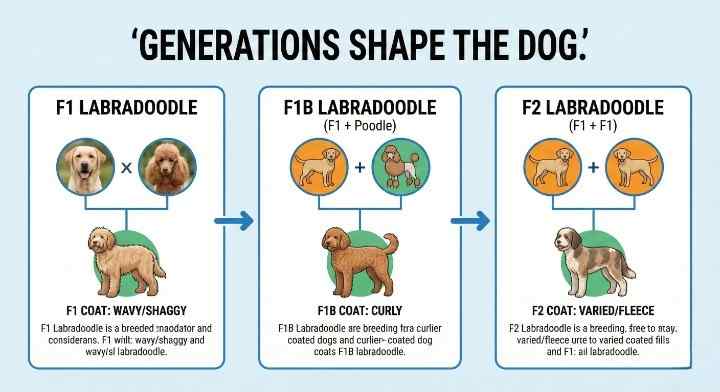
4.1 F1, F1B, F2 and Multigenerational Lines
- F1: First-generation (Labrador × Poodle).
- F1B: Cross of an F1 with a Poodle, often to enhance coat traits.
- F2: Two F1 Labradoodles bred together.
- Multigenerational: Multiple Labradoodle generations bred for consistent traits.
4.2 Why Generations Matter for Allergies and Coat Type
Later generations often have more predictable coats. F1B and Multigenerational Labradoodles tend to have curlier, lower-shedding coats compared to the wavier F1.
4.3 What Potential Owners Should Know Before Choosing a Generation
Buyers should understand their allergy tolerance, grooming capacity, and aesthetic preferences before deciding on a generation.
5. Physical Characteristics Of Labradoodle Dog Breed

5.1 Sizes of Labradoodles: Mini, Medium and Standard
- Mini: 14–16 inches, 15–30 pounds
- Medium: 17–20 inches, 30–50 pounds
- Standard: 21–24 inches, 50–70 pounds
The size depends largely on the Poodle parent used.
5.2 Common Coat Types Of Labradoodle: Wool, Fleece and Hair
- Wool: Tight curls, similar to a Poodle.
- Fleece: Soft waves, silky texture.
- Hair: Straighter, resembling the Labrador.
5.3 Coat Colors and Patterns Seen in Labradoodles
Colors range from cream, chocolate, black, apricot, to parti or merle patterns.
5.4 Typical Body Structure and Facial Features
They have expressive eyes, broad heads, and athletic builds, combining the sturdy Lab frame with Poodle curly charm.
6. Temperament and Personality Traits Of Labradoodle

6.1 Friendly and Intelligent Nature
Known for their playful and affectionate personality, they love human company and adapt well to various households.
6.2 Compatibility With Kids and Other Pets
Their patience and loving temperament make them excellent choices for homes with children or other animals.
6.3 How Labradors and Poodles Influence Temperament
This breed contributes warmth and sociability, while the Poodle adds alertness and cleverness, creating a balanced emotional profile.
6.4 Behavior Differences Between High-Energy and Calm Lines
Some lines tend toward high energy, needing extra exercise, while others remain laid-back—an essential consideration for families with varied lifestyles.
7. Understanding Labradoodle Intelligence

7.1 Why This Breed Excels in Learning
They inherit top-tier intelligence from both parents, ranking among the easiest breeds to train.
7.2 Training Potential for First-Time Dog Owners
They respond best to positive reinforcement. Even novice handlers can succeed with patient, consistent training.
7.3 Games and Mental Exercises to Keep Them Engaged
Activities like scent work, agility drills, and puzzle toys help prevent boredom and destructive habits.
8. Exercise and Activity Needs For Labradoodle

8.1 Daily Activity Requirements by Size
- Mini: 30–45 minutes daily
- Medium: 1 hour
- Standard: Up to 90 minutes
Exercise should mix physical and mental challenges.
8.2 Best Outdoor Activities and Family-Friendly Play Ideas
Fetch, hiking, agility, and swimming are perfect outlets for their energy and intelligence.
8.3 How to Manage an Over-Energetic Labradoodle
Structured play, obedience classes, and mental puzzles channel their drive productively.
8.4 Training for Working Roles and Sports
Many excel in therapy work, search and rescue, or canine sports like flyball and dock diving.
9. Labradoodle Grooming Tips
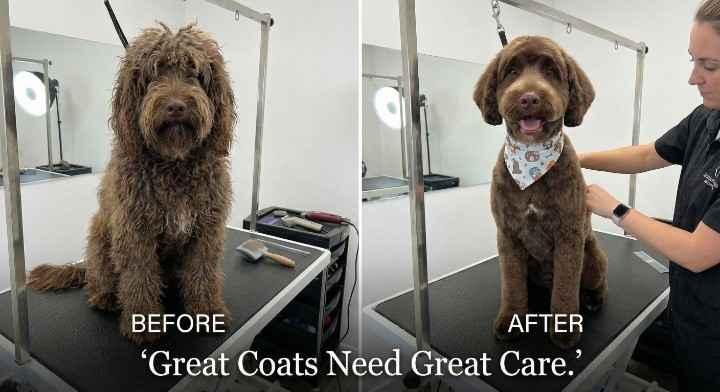
9.1 How Coat Type Affects Grooming Frequency
Wool and fleece coats need more brushing and trimming than hair coats due to higher curl density.
9.2 Brushing Schedule for Each Coat Type
- Wool: Daily
- Fleece: Every other day
- Hair: Twice weekly
9.3 Bathing, Nail Trimming and Ear Cleaning Guide
Bathe every 4–6 weeks, trim nails monthly, and clean ears weekly to avoid infections.
9.4 Managing Seasonal Shedding
Although minimal, regular grooming prevents matting and distributes coat oils evenly.
9.5 Professional Grooming vs At-Home DIY Care
Professional grooming every 6–8 weeks keeps coats healthy, but owners can learn basic trimming for maintenance.
10. Labradoodle Health Issues

10.1 Average Life Expectancy
They typically live 12–15 years with proper care.
10.2 Common Genetic Conditions in the Breed
| Health issue | Brief description | Suggestions |
|---|---|---|
| Hip & elbow dysplasia | Abnormal joint development causing pain, lameness. | Choose health-tested breeders, keep dog lean, avoid over-exercising pups, use joint-supportive diet and controlled exercise. |
| Ear infections | Moist, hairy ears trap wax and debris, leading to infection. | Regular ear checks and gentle cleaning, thorough drying after swimming/baths, prompt vet care for redness or odor. |
| Allergies & skin problems | Itchy skin, ear issues, licking, hot spots from food or environmental triggers. | High-quality diet, flea control, regular grooming, vet-guided allergy testing and treatment if itching persists. |
| Eye diseases (PRA, cataracts) | Inherited problems that can cause vision loss over time. | Buy from eye-tested parents, schedule routine eye exams, report night-vision changes early. |
| Gastrointestinal issues | Vomiting, diarrhea, sensitive stomach more common than in many breeds. | Feed consistent, balanced food, avoid sudden diet changes and table scraps, use slow feeders, see vet for recurrent upset. |
| Addison’s disease | Hormonal disorder causing weakness, vomiting, collapse if untreated. | Use breeders who screen lines, monitor for ongoing tummy upsets/lethargy, do blood tests when vet suspects endocrine disease. |
| Dental disease | Tartar, gum disease, tooth loss, especially in smaller lines. | Daily or frequent tooth brushing, dental chews, and periodic professional cleanings. |
| Obesity and arthritis | Excess weight worsens joint pain and overall health. | Measure food, limit treats, ensure daily exercise suited to age/size, review body condition with vet. |
10.3 Health Testing Breeders Should Provide
Responsible breeders screen for hips, elbows, and eye conditions and supply OFA or CERF certificates.
10.4 How to Maintain a Healthy Weight
Balanced nutrition and regular exercise prevent obesity—a major risk factor in the breed.
10.5 Early Signs of Health Problems Owners Should Watch For
Watch for limping, eye cloudiness, skin irritation, or lethargy, and consult a vet promptly.
11. Nutrition and Feeding Guide For Labradoodles

| Life Stage | Basic Diet Needs | Meals/Day |
|---|---|---|
| Puppies (to 12-18 mos) | High protein/fat (25-30% protein), DHA for brain/eyes; growth formulas. | 3-4 small meals; transition gradually from milk; avoid fillers. |
| Adults (1-10 yrs) | Balanced protein (20-25%), carbs/fiber for energy; omega-3s for coat. | 2 meals; adjust for size/activity (20-30 cal/lb body weight). |
| Seniors (10+ yrs) | Lower calories, high protein for muscle; glucosamine/omega for joints. | 2-3 smaller meals; easier-to-digest food; monitor weight. |
11.1 Ideal Diet for Puppies, Adults and Seniors
- Puppies: High-protein growth formulas
- Adults: Balanced adult food with steady energy output
- Seniors: Lower-calorie diets to support joint health
11.2 Portion Control Based on Size and Activity Level
Follow vet-recommended calorie guidelines, adjusting for exercise and metabolism.
11.3 Best Protein Sources for Labradoodles
Chicken, lamb, fish, and turkey are excellent protein bases. Avoid fillers like soy or corn.
11.4 Foods to Avoid
Chocolate, grapes, onions, and fatty foods are toxic to dogs.
11.5 Supplements Sometimes Recommended
Omega-3, glucosamine, and probiotics help maintain coat shine and joint health.
12. Training and Socialization For Labradoodles

12.1 Why Early Socialization Matters
Puppies exposed to varied sights and sounds become better-adjusted adults.
12.2 Basic Commands to Learn
Sit, stay, recall, and leash manners are essential for control and safety.
12.3 Crate Training and House Training Tips
Crate training offers security and aids in toilet learning if applied consistently.
12.4 Handling Behavioral Challenges
Address jumping, chewing, or barking with consistent rules and sufficient exercise.
12.5 Training for Therapy and Service Dog Roles
Their empathy makes them prime candidates for emotional support or therapy work.
13. Living Conditions and Home Setup For Labradoodles

13.1 Best Home Environments
They thrive in active homes with time and space to play.
13.2 Apartment Living: Is It Suitable?
Smaller dogs can adapt to apartments if they receive adequate daily exercise.
13.3 Creating Safe Indoor and Outdoor Spaces
Offer fenced yards and dog-proofed interiors with chew toys and resting spaces.
13.4 Tips for Multi-Pet Households
Introduce pets gradually and use neutral meeting spaces to prevent conflicts.
14. Labradoodles and Families
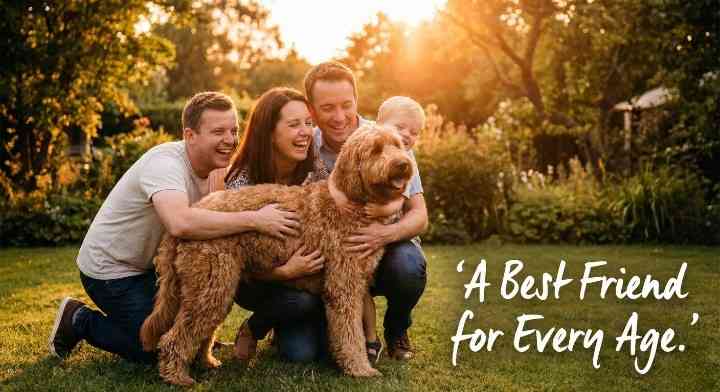
14.1 Why They Make Good Family Pets
Their friendliness and calm nature make them ideal family companions.
14.2 Bonding With Children
Labradoodles are playful yet gentle, forming lasting bonds with children.
14.3 Care Tips for Seniors and People With Mobility Issues
Their empathy makes them ideal therapy companions, though a calm line is best for seniors.
14.4 Matching Energy Levels With Lifestyle
Active families suit energetic Labradoodles; quieter homes may prefer smaller, calmer types.
15. Cost of Owning a Labradoodle

| Category | Upfront Cost | Monthly Cost | Notes |
|---|---|---|---|
| Puppy purchase | $1,500–$5,000 | – | Higher for rare colors/reputable breeders. |
| Initial supplies (crate, bowls, toys) | $200–$500 | – | Larger sizes cost more. |
| First-year vet (vaccines, spay/neuter) | $300–$800 | – | Includes microchip/preventives. |
| Food | – | $40–$80 | Premium kibble; scales with size. |
| Grooming | – | $50–$100 | Every 6–8 weeks for curly coats. |
| Vet/preventives | – | $20–$60 | Heartworm, flea/tick, checkups. |
| Insurance/training/toys | – | $30–$100 | Optional but recommended. |
| Total | $2,500–$7,800 | $200–$450 | Annual vet ~$200–$600 extra. |
16. Choosing a Responsible Breeder

16.1 Red Flags to Watch Out For
Avoid breeders unwilling to show health records or who sell puppies without contracts.
16.2 What Ethical Breeders Do Differently
They prioritize health, transparency, and early socialization over profit.
16.3 Important Questions to Ask Before Buying
Ask about parent health tests, generation type, and early training practices.
16.4 Understanding Health Guarantees and Contracts
A valid contract outlines health conditions, return policies, and spay/neuter clauses.
17. Adopting a Labradoodle
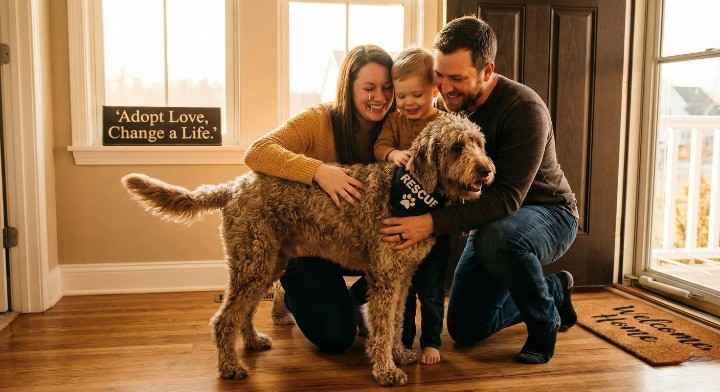
17.1 Why Adoption Is Worth Considering
Many in rescues need second homes — adoption saves lives.
17.2 Where to Find Rescue Organizations
Look for breed-specific rescues or general animal shelters that handle mixed breeds.
17.3 What to Expect From a Rescue Dog
Rescued dogs may take time to adjust but offer immense affection and gratitude.
17.4 Preparing Your Home for an Adult Dog
Create a calm space, consistent routine, and patient environment for adjustment.
18. Labradoodle Social Media Trends

18.1 Why Labradoodles Go Viral
Their expressive faces, fluffy coats, and loving demeanor make them social media sensations.
18.2 Instagram and TikTok Favorites
Cute grooming styles, agility routines, and family cuddles dominate Labradoodle content.
18.3 Grooming Styles That Gain Attention
Teddy bear and rounded face cuts are especially photogenic online.
18.4 Caution Against Trend-Driven Breeding
Popularity should never outweigh health and ethical breeding priorities.
19. Common Mistakes New Owners Make
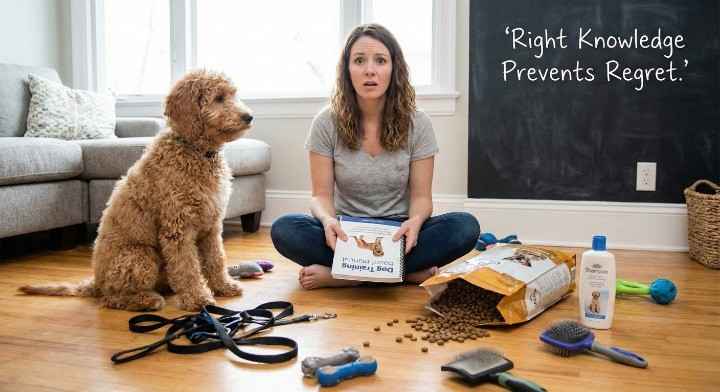
| Area | Common mistake |
|---|---|
| Before adoption | Getting a dog without planning time, cost, or lifestyle. |
| Breed choice | Choosing by looks, not temperament or needs. |
| House training | No clear potty-training plan or routine. |
| Rules & boundaries | Inconsistent rules; different family members allow different things. |
| Socialization | Too little, too late, or overwhelming exposure. |
| Training style | Punishment-based methods instead of rewards. |
| Exercise | Not enough physical and mental exercise. |
| Diet & treats | Overfeeding, too many treats, or table scraps. |
| Vet care | Skipping early vet visit, vaccines, and preventives. |
| Grooming | Neglecting brushing, nail trims, and dental care. |
Final Thought

This breed blend Labrador loyalty and Poodle smarts into affectionate, low-shedding family companions. With proper breeding, nutrition, grooming, and exercise, they thrive 12-15 years, delighting owners despite hybrid variability. Ideal for active homes seeking fun, trainable teddy-bear dogs.
FAQs
Are Labradoodles hypoallergenic?
They are often low-shedding, especially those with curly coats, but no dog is 100% hypoallergenic. People with mild allergies usually tolerate them better than heavy-shedding breeds.
Are Labradoodles good family dogs?
Yes. They are friendly, gentle, and social, making them excellent companions for families with children and other pets.
Do Labradoodles bark a lot?
They are not heavy barkers, but may bark from boredom, anxiety, or lack of exercise.
Can Labradoodles live in apartments?
Yes, if they get enough daily exercise and mental activity.

Good information
Article is fully informational….